/media/ic/images/2026/02/29fedc4f885d4517814e7ad43cc5df63.webp)
/media/ic/images/2026/06/folliculitis-causes-and-treatments-5.webp)
/media/ic/images/2026/04/Dr-Ayenur.webp)
Understanding Folliculitis: Causes and Treatments
Folliculitis is a common skin condition that affects many people. It involves inflammation of the hair follicles, often causing discomfort.
This condition can appear anywhere hair grows, but it's most common on the face, scalp, and thighs.
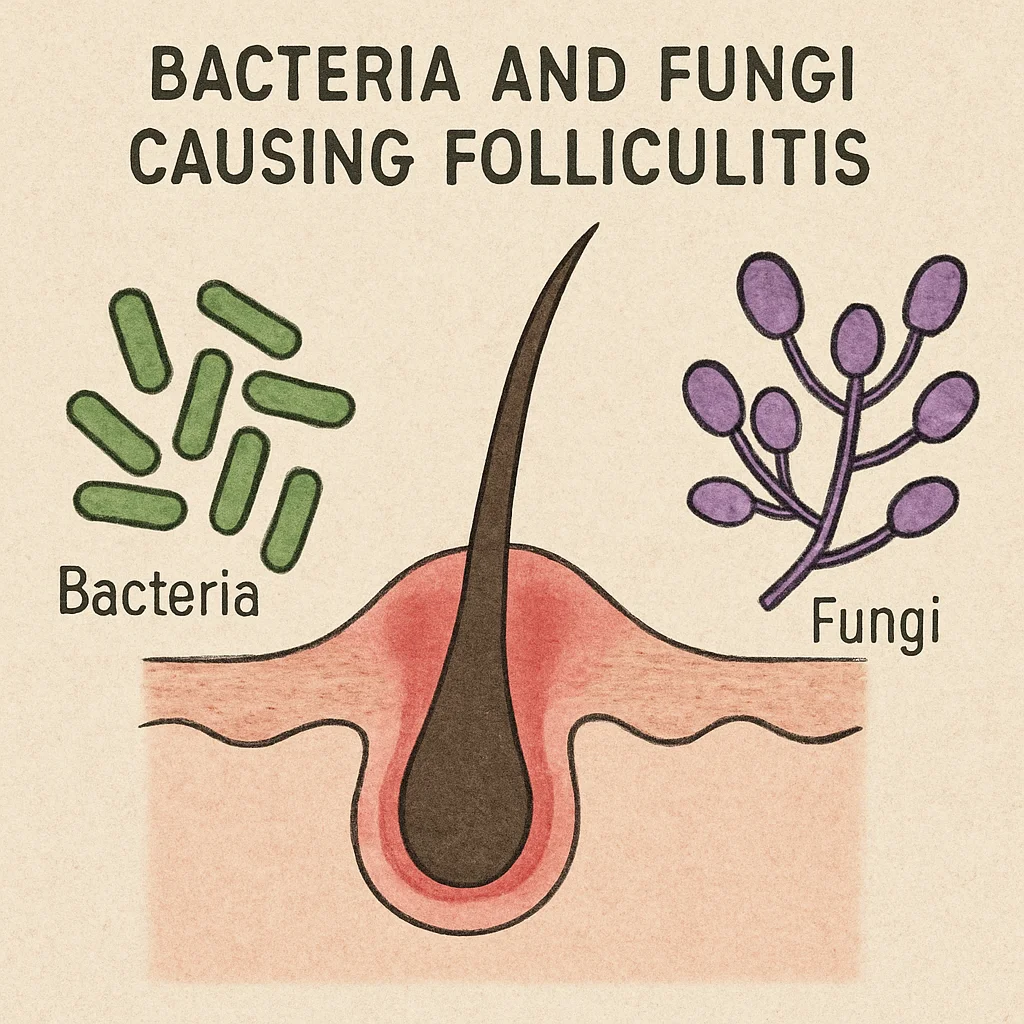
Folliculitis can be caused by bacteria, fungi, or even irritation from shaving. Understanding its causes is key to effective folliculitis treatment.
Symptoms include red bumps, itching, and sometimes pus-filled blisters. These can be mistaken for acne, but they require different care.
In this guide, we'll explore the causes, symptoms, and treatments for folliculitis. You'll learn how to manage and prevent this condition effectively.
What Is Folliculitis?
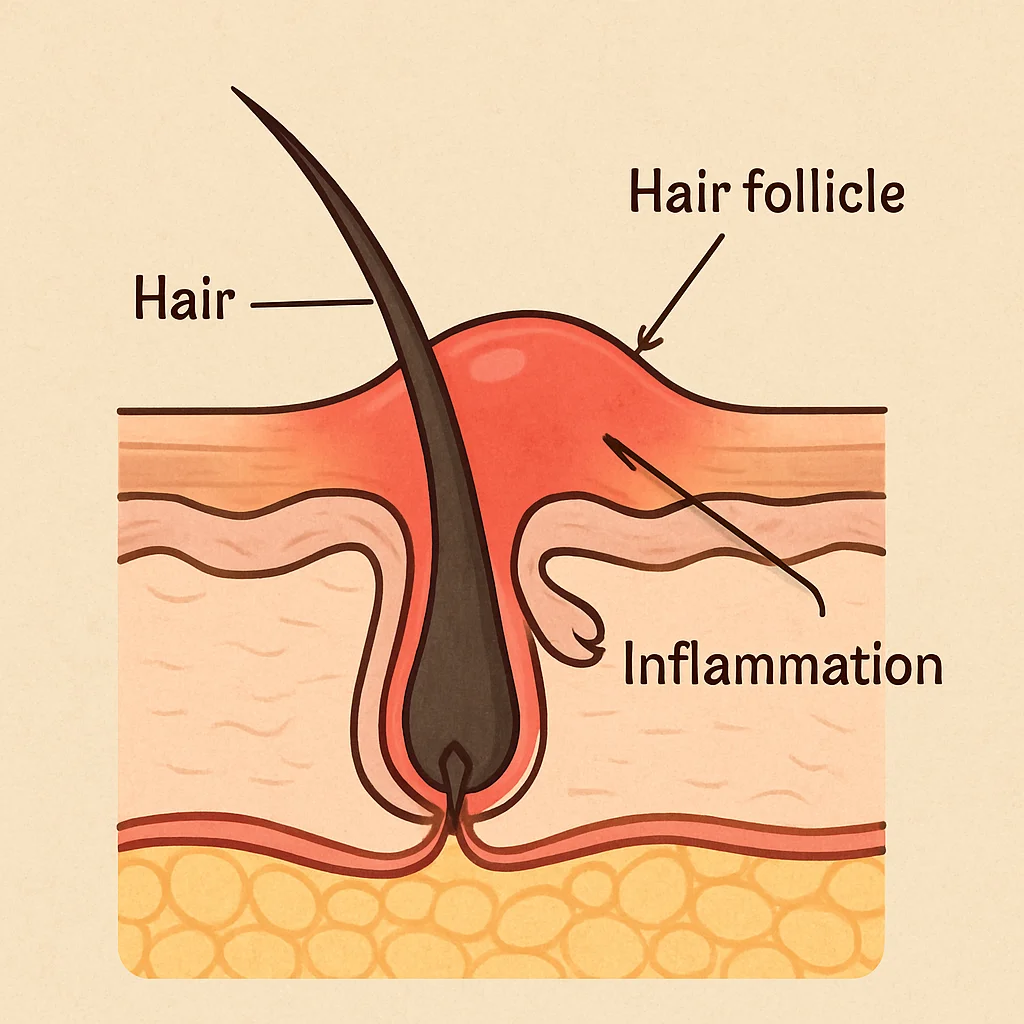
Folliculitis is an inflammation occurring in the hair follicles. It's often triggered by bacterial or fungal infections. Each hair on your body grows out of its follicle, a tiny pocket in the skin.
This condition manifests as small, red bumps or white-headed pimples around hair follicles. Although mild cases resolve on their own, others may require treatment.
This skin issue can be superficial or extend deeper into the skin. Deep folliculitis can lead to larger sores and potential scarring, which might require medical attention.
Here's a quick summary of folliculitis characteristics:
Inflammation of the hair follicles
Common on the face, scalp, thighs, and buttocks
Caused by bacteria, fungi, or irritation
Understanding what folliculitis is can help in managing it effectively. Identifying the type and cause is crucial for appropriate treatment.
Common Causes of Folliculitis
Folliculitis can result from various factors. It's often caused by infections that penetrate the hair follicles. These infections could be bacterial or fungal in nature.
Bacterial infections, particularly from Staphylococcus aureus, are a frequent cause. This bacterium lives on the skin and can invade follicles under certain conditions.
Overview of Staphylococcus
Staphylococcus is a type of bacteria often found on the skin and in the nose. These bacteria can cause infections if they enter the body through cuts or wounds.
Key Features:
Appearance: Staphylococcus bacteria are round and form clusters.
Common Infections: They can lead to skin infections, food poisoning, and other illnesses.
Prevention: Good hygiene practices, like washing hands, can help prevent these infections.
Knowing about Staphylococcus can help in understanding how to prevent and manage related infections.
Fungal infections are another culprit. These occur when fungi like yeast or dermatophytes affect the follicles, leading to inflammation.
There are also non-infectious causes. Folliculitis can stem from irritation or physical damage to the follicles. This might occur from shaving, wearing tight clothing, or excessive sweating.
Here's a list of common causes:
Bacterial infections (e.g., Staphylococcus aureus)
Fungal infections (e.g., yeast, dermatophytes)
Shaving and skin irritation
Sweating and wearing tight clothing
Each cause of folliculitis requires different management approaches. Understanding these can aid in prevention and treatment.
Types of Folliculitis
Folliculitis is not a one-size-fits-all condition; it comes in different forms. Each type has unique characteristics and causes, affecting how it presents and is treated.
Bacterial Folliculitis is the most common type. It typically stems from Staphylococcus aureus and results in red, pus-filled bumps.
Fungal Folliculitis involves yeast or dermatophytes attacking the follicles. This leads to itchy, inflamed skin areas.
Another notable type is Pseudofolliculitis Barbae, often experienced by those who shave. It looks similar to razor burn and occurs when hairs grow back into the skin.
Folliculitis can also be categorized by depth:
Superficial Folliculitis: Affects the upper part of the hair follicle.
Deep Folliculitis: Extends deeper, potentially causing scarring.
Lastly, specific rare forms include:
Hot Tub Folliculitis: Caused by Pseudomonas bacteria found in poorly maintained hot tubs.
Folliculitis Decalvans: A severe type leading to hair loss and scarring.
Recognizing the type of folliculitis is crucial for effective treatment and prevention.

Recognizing Folliculitis: Symptoms and Diagnosis
Folliculitis can appear suddenly, with varied symptoms depending on its type. Identifying these symptoms early helps in seeking the right treatment.
Common signs of folliculitis include:
Red, inflamed bumps on the skin
Itching and tenderness around hair follicles
Pus-filled blisters that may burst
These symptoms typically occur where hair grows, like the scalp, thighs, or face. If you experience these, considering a doctor's consultation might be wise.
Diagnosing folliculitis often relies on a physical exam. A healthcare provider will look at the affected skin areas closely. In some cases, a culture test may be needed to identify the specific bacteria or fungi causing the issue.
Early diagnosis and treatment can prevent worsening or recurrence. Maintaining awareness of your skin's condition is key.
Risk Factors and Who Gets Folliculitis
Anyone can develop folliculitis, but some individuals are more prone. Understanding risk factors can help in taking preventive steps.
Factors that may increase the likelihood of folliculitis include:
Shaving or waxing regularly
Wearing tight clothing
Excessive sweating
Compromised immune system
Living in warm, humid climates
People with certain health conditions, like diabetes, face a higher risk. This is due to changes in skin and immune function.
Folliculitis affects all age groups but is often seen in young adults. Both men and women can experience it, especially if exposed to the identified risk factors. By knowing these risks, individuals can better manage and prevent this condition.
Folliculitis vs. Other Skin Conditions
Folliculitis can be confused with other skin conditions like acne. Yet, they differ in cause and treatment. Recognizing these differences is important for proper care.
Key distinctions include:
Acne: Involves clogged pores due to oil and dead skin.
Folliculitis: Involves infected or inflamed hair follicles.
Eczema: Chronic condition with itchy, inflamed skin patches.
Folliculitis tends to develop around hair follicles, unlike some other conditions. Acne involves deeper pores, while eczema affects broader skin areas. Understanding these differences can guide appropriate treatment and ensure effective skin care. Consulting a dermatologist can provide clarity when symptoms overlap.
Folliculitis Treatment Options
Treating folliculitis involves addressing the underlying cause and soothing symptoms. For mild cases, simple over-the-counter solutions often suffice. Basic skin hygiene and care can significantly improve conditions. An effective folliculitis treatment plan depends on the cause.
Over-the-counter treatment options include:
Antiseptic washes for cleaning the infected areas.
Topical antibiotics to combat bacterial infections.
Antifungal creams for fungal-related cases.
In severe or stubborn instances, prescription medications might be necessary. A healthcare provider can prescribe oral antibiotics or antifungals. These medications target deeper infections, promoting faster recovery.
Prescription treatments typically involve:
Oral antibiotics to tackle bacterial infections from within.
Antifungal pills if topical creams aren't effective.
Anti-inflammatory medications to reduce swelling and redness.

For those dealing with chronic folliculitis, lifestyle adjustments are often recommended. Longer-term management strategies can mitigate recurrences. A dermatologist might suggest laser hair removal to reduce triggers like shaving.
It's crucial to identify the cause of folliculitis for effective treatment. Consulting a healthcare provider ensures a targeted approach. This personalized care reduces the chance of future flare-ups, helping maintain skin health.
Home Remedies and Self-Care for Folliculitis
Effective management of folliculitis often includes home remedies. These solutions can soothe irritated skin and speed up healing. Simple, consistent self-care routines play a crucial role.
Regularly cleansing the affected area with mild soap can prevent further irritation. Gentle exfoliation helps reduce clogged pores, minimizing bacterial build-up. It's essential to be gentle to avoid exacerbating inflammation.
Helpful home remedies include:
Warm compresses to relieve pain and reduce swelling.
Oatmeal baths that soothe itching and irritation.
Tea tree oil as a natural antiseptic treatment.

Mindful skincare habits also support recovery. Avoiding tight clothing and opting for loose, breathable fabrics reduces friction. Always ensure personal grooming tools are clean to prevent new infections. Adopting these practices can make a significant difference in managing folliculitis at home.
Preventing Folliculitis: Practical Tips
Prevention is key to minimizing folliculitis flare-ups. Adopting certain habits can protect your skin and reduce risk factors. Taking steps to prevent irritation helps maintain healthy skin.
Simple daily practices make a big difference. Always shower after sweating, and use non-comedogenic products. Regular moisturizing can maintain skin health and reduce susceptibility to infections.
Consider these preventive measures:
Use clean, sharp razors, or consider laser hair removal.
Wear loose clothing to reduce friction.
Regularly clean personal grooming items.
By implementing these tips, you can effectively minimize the occurrence of folliculitis and support overall skin health.
When to See a Doctor
If symptoms persist despite home care, seek medical advice. Deep or spreading infections require professional evaluation. Don't ignore signs of severe folliculitis.
Consult a dermatologist if you experience recurring issues. Early intervention prevents complications like scarring. Timely treatment can improve outcomes and provide relief from discomfort.
Living With and Managing Chronic Folliculitis
Chronic folliculitis requires ongoing care to manage symptoms and prevent flare-ups. Adopting a tailored skincare routine can be beneficial.
Key strategies include:
Regularly moisturizing skin to maintain its barrier
Avoiding known triggers, such as certain fabrics or products
Seeking consistent medical check-ups
Lifestyle changes, like stress reduction and a balanced diet, support long-term skin health. Empower yourself through education and proactive management.
Key Takeaways and Final Thoughts
Understanding folliculitis, its causes, and treatments empowers you to take control of your skin health. Identifying symptoms early can lead to effective management.
Preventive measures play a crucial role in avoiding recurring episodes. Maintaining good hygiene and being mindful of your triggers is key.
Consulting healthcare professionals is essential for persistent cases. With proper care, living with folliculitis becomes manageable.