
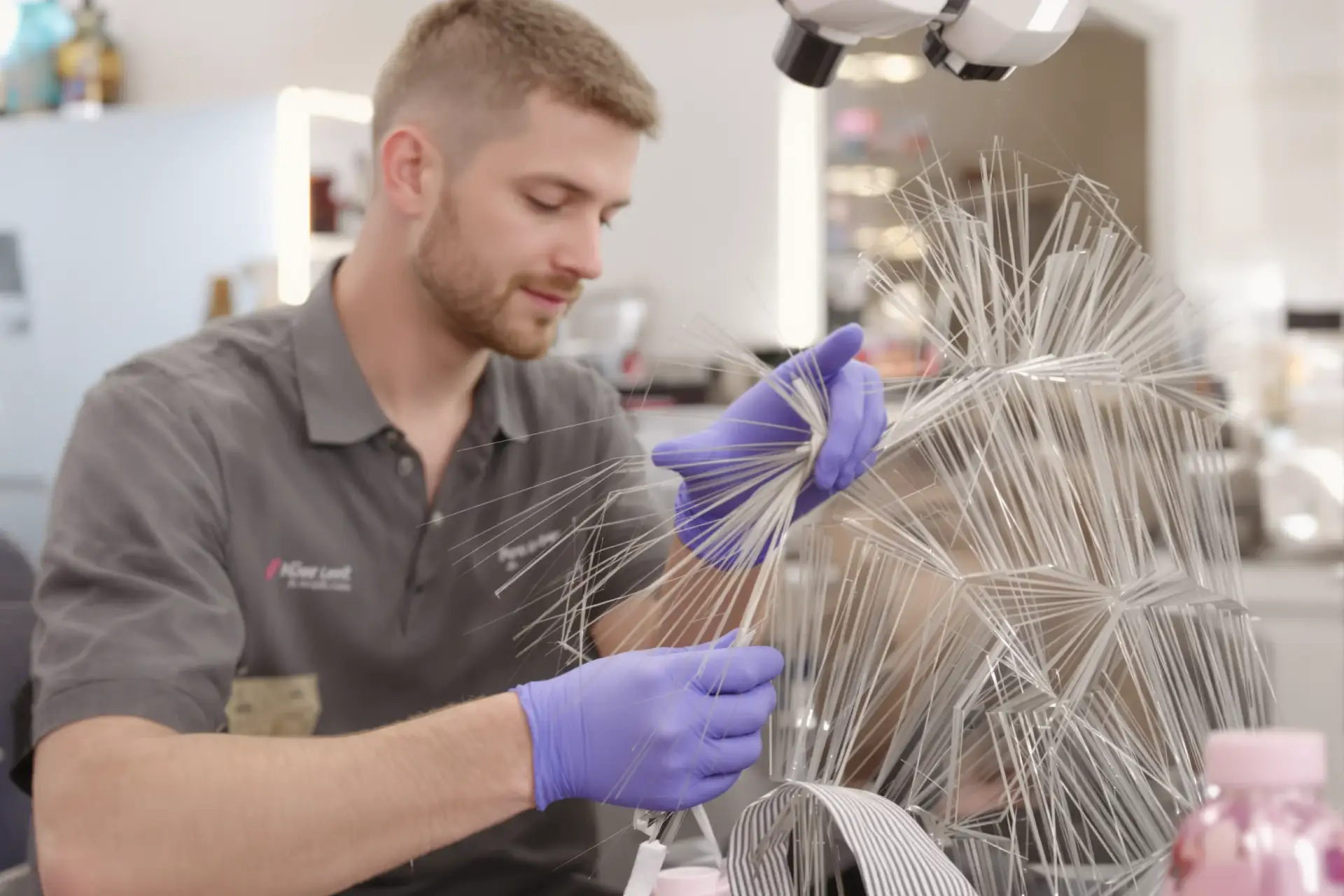



Understanding FUE and FUT
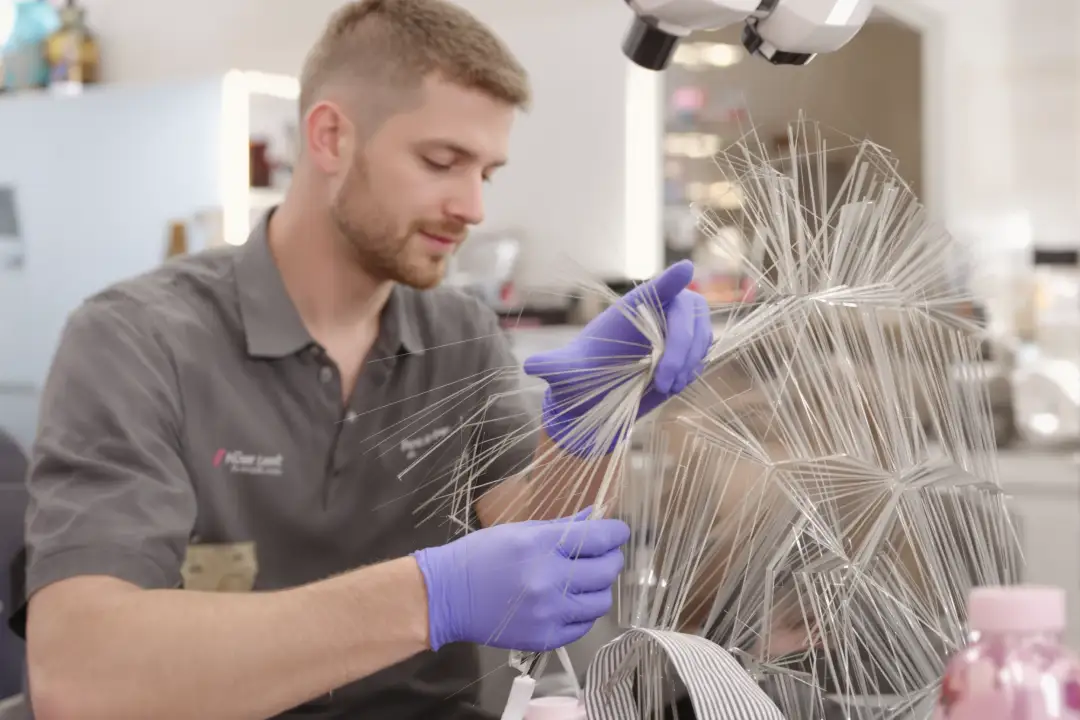
FUE and FUT are the two main options for moving hair from one part of your scalp to another. The difference isn't tiny, it shapes your recovery, your scar, and how much hair you can move in one session.
FUT, or follicular unit transplantation, begins with the surgeon cutting a thin strip of skin from the back of your head. That strip is then dissected under a microscope into hundreds of individual grafts. It's been around longer. For many patients, it still delivers the highest graft count in a single sitting, think 3,000 to 4,000 plus.
FUE, or follicular unit extraction, skips the strip. Instead, the doctor uses a tiny punch tool, about 0.7 to 0.9 mm, to pull out each hair follicle one by one. No linear cut. No stitches. Healing is easier on the body, most people are back to normal life within a week.
Which one fits you, and the honest answer comes down to three things. One: how much hair you need to transplant. Two: how you wear your hair - short or long. Three: whether a linear scar bothers you.
FUT leaves a thin line scar, visible if you buzz your hair short. FUE scatters tiny dot scars across the donor area, less visible, but it can't harvest as many grafts in one go. That's the crux of the fue or fut which is better question.
Patients who want maximum density in a single session, and keep their hair medium-to-long, usually lean toward FUT. Guys who favor a short cut or want no visible scar usually go with FUE. Neither approach is wrong, just different trade-offs.
Comparing Recovery and Results
More between these two methods than most realize are differed by Recovery and final results and not just in terms of how long you wear a baseball cap.
With FUE, recovery feels easier because there's no long incision line. You leave with tiny red dots at each extraction site. By day 5 to 7, most of those dots form scabs and start falling off. Around day 10, you look fairly normal if your hair is long enough to cover the donor area. The real catch, and but FUE recovery masks a slower truth beneath the surface. The grafts still need the same 12 to 18 months to fully mature into thick, natural hair.
FUT recovery follows a different rhythm. That linear donor strip leaves a row of staples or sutures across the back of the head. Nights two through four, and not your best sleep. Neck gets stiff, sleeping demands a travel pillow, and sneezing just hurts. That tight lifting feeling fades in about a week. Sutures come out at day 10 or 14. The upside? The donor wound heals into one thin scar, not hundreds of tiny dots. If you keep your hair long, that scar never shows. Buzz the back short, though, and it's visible.
FactorFUEFUT Visible scabbing3-5 days10-14 days (suture removal) Return to desk job3-5 days7-10 days Final result visible12-18 months12-18 months Donor scar type500+ pinprick dotsThin line (3-15 cm) First wash allowed2-4 days4-7 daysResults between the two are more alike than clinics usually say. Both techniques take living follicles from a dense patch and transplant them into thinning areas. With a skilled surgeon, both produce permanent growth, hair that acts exactly like your own. What you actually see in the mirror depends way more on how you heal, your surgeon's density plan, and whether shock loss hits you, not on the extraction tool.
Trade-offs are what the fue or fut which is better question really comes down to. Faster healing, dotted map, and slower healing, one thin line. FUE is the pick if you like short hairstyles. FUT is better when you want to maximize grafts in one go. Your scar preference might well be the thing that decides it.
Which Method Should You Choose?
Your choice between FUE and FUT depends on your scalp, lifestyle, and goals—not on which technique is labeled "better." Both are effective, and both can yield fully natural-looking results when performed correctly. However, each is designed for a specific scenario, and choosing the wrong one can lead to frustration.
Let's cut through the marketing. FUE, follicular unit extraction, plucks grafts one at a time from the back and sides of your head. No scalpel, no stitches, just tiny circular punches. The result is a bunch of small circular dots that heal into tiny white specks over time. If you keep your hair short, say a #1 or #2 guard, those specks are barely visible. I've had patients who buzz their hair down to a 3mm, and nobody notices a thing.
FUT, follicular unit transplantation, removes a strip of skin from the donor area, then a team of technicians dissects it under microscopes. That go away you with a linear scar across the back of your head, typically from one ear to the other. With hair longer than an inch, that scar hides perfectly, and what about a buzz cut or a fade? You'll see it. So if you switch up your hairstyle often or get a fade every four weeks, FUE is probably the better fit.
Recovery and downtime
FUE recovery is faster, and by day 5 to 7, the tiny scabs are gone. You can be back in a gym by day 10. The area is sore, but not painful. FUT recovery takes longer - the strip excision creates tension. You'll feel tightness for two weeks. You can't stretch your neck the same way. Most people need 14 days before they feel normal. If you sit at a desk, FUT is fine. If you're a construction worker or a trainer, FUE lets you get back on the job sooner.
Graft count per session
Here's where FUT has a real edge. In a individual session, FUT can yield 2,000 to 4,000 grafts - maybe more with a good surgeon. FUE maxes out around 2,500 to 3,000 in one day, unless you pay extra for a huge team. So if you need a high Norwood (class 5, 6, or 7) completely covered in a single go, FUT delivers more density. But for most Norwood 3 or 4 cases, FUE gets you there in one session just fine.
Scarring and long-term look
FUT scar is a trade-off. Some patients heal fine, others develop a wide scar that shows even with medium hair. FUE scarring is diffuse - hundreds of tiny dots rather than one line. But if you have dark skin or tendencies to keloid, FUE can leave obvious hypopigmented dots. There's no universally "better" scar - it depends on your skin and healing pattern
Cost
FUE is almost always more expensive. A typical FUE session in the U. If budget is tight and you need maximum grafts, FUT stretches your money further
Who each method suits best
Key Factors in Your Decision
FUE or FUT - which is better, and the honest answer is: it depends on you. Not on what a clinic's brochure says, not on what a friend's cousin got. Your scalp, your hair characteristics, your lifestyle - those drive the choice.
Here's what to actually weigh.
Scarring and visibility
FUT leaves a linear scar across the back of the scalp. If you keep hair short, that scar can show. FUE leaves hundreds of petite dot scars - less noticeable even at a # 2 guard. If short styles are what you're after, FUE usually edges ahead. But if your donor hair is thick and you stick to medium-length cuts, FUT's scar stays hidden without issue
Recovery and downtime
FUT recovery is gentler in the first week, the soreness stays along the strip, but the rest of the scalp isn't bothered. FUE recovery hits harder: every extraction site has to heal, so the entire back can feel tender for a week or more. The trade-off? By week two, FUE patients often appear more normal, no suture line. FUT patients deal with a visible row of staples for 10-14 days. Neither is 'easy,' but the rhythm differs.
Graft yield and survival
If your hair is thick and robust, the loss from FUE is negligible.
Cost and session size
For a 2,500-graft case, that's a real difference
Taking the Next Step with la clinica
So there's the trade-off, FUE leaves no strip scar but takes longer. FUT packs more grafts into one session, but leaves a visible line. So still stay put on fue or fut which is better for your case? That's where a real consultation with a clinic like la clinica comes in. They don't just push one technique.
I've talked to dozens of guys who spent months watching YouTube comparisons. The honest answer? It depends on three things:
- Your donor density, and is it thick and elastic? FUT is a strong option: more grafts, less waste. Tight or thin donor? FUE is safer, you're not removing a whole strip.
- Your lifestyle, and do you work in a conservative office? Short haircut every week? FUE lets you keep a buzzed look. Don't mind a hidden line? FUT heals fast and delivers volume.
- Your long-term plan. Some guys want one big session and done - FUT fits. Others may need future touch-ups - FUE leaves more grafts untouched.
la clinica runs a 2-day evaluation before any booking starts. They measure donor density with a digital dermoscope, map your hair loss pattern. That's the difference a proper workup makes
If you're still asking " fue or fut which is better ," stop guessing. You'll get a clear recommendation based on numbers - not sales talk. The next move is a short call or a photo submission through their portal. Most people get a draft plan within 48 hours, and then you decide.