
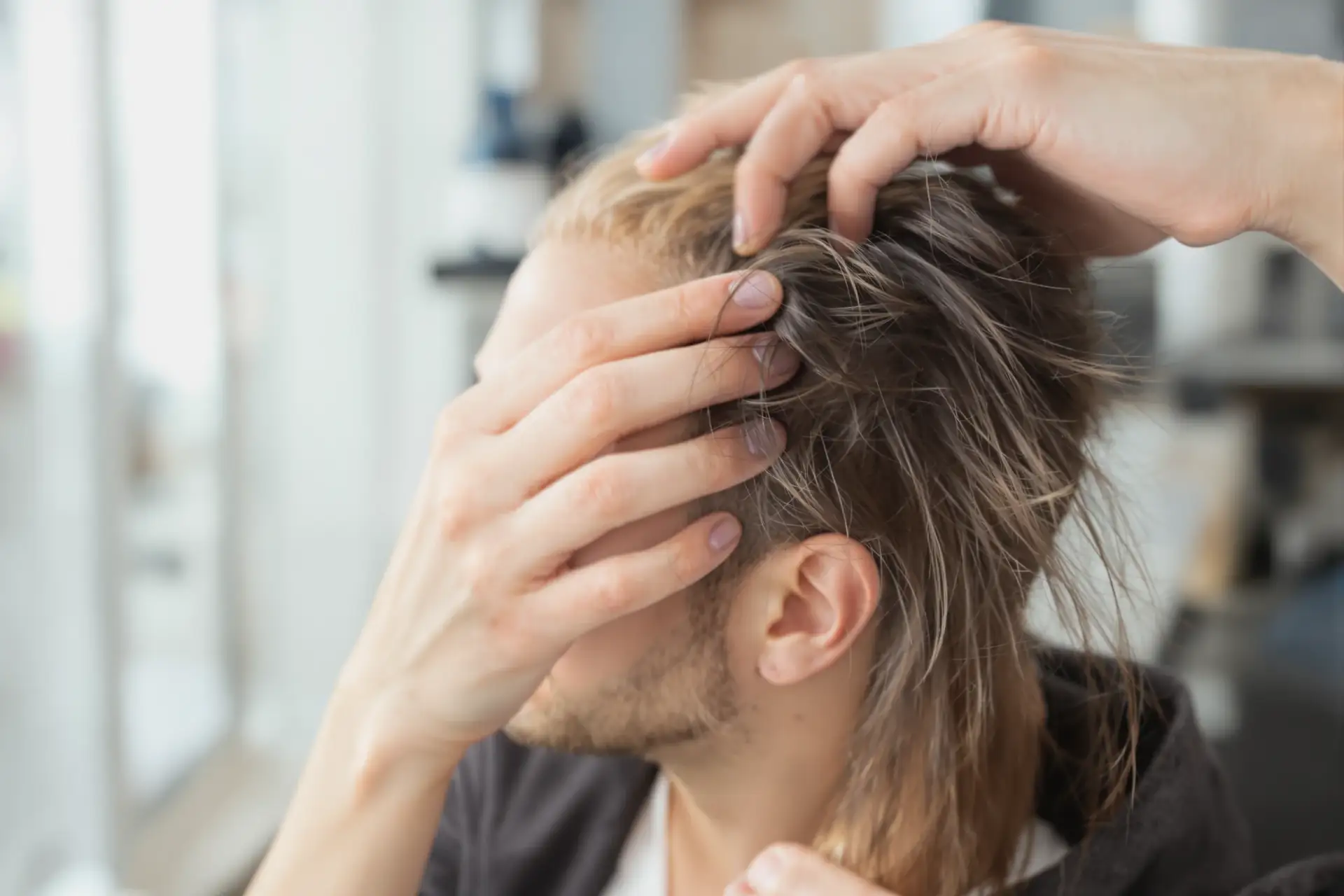



What Is DHT and How Does It Cause Hair Loss?
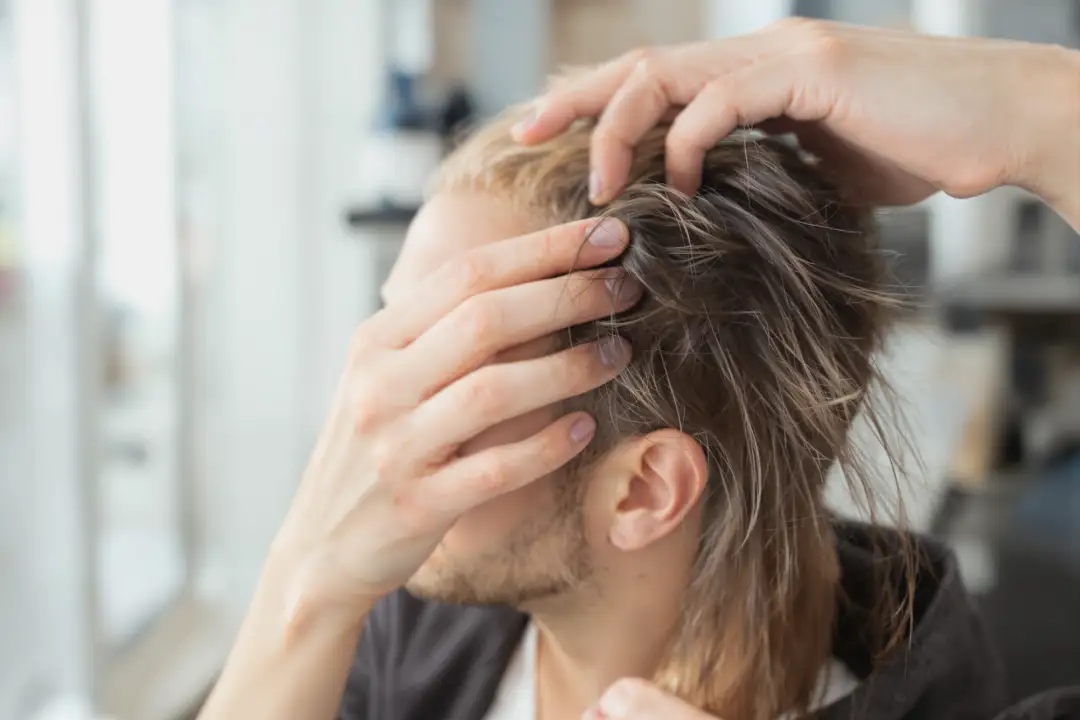
DHT is short for dihydrotestosterone. It's a potent androgen - a sex hormone the body makes from testosterone with help from an enzyme called 5-alpha reductase.
In men who carry a genetic susceptibility for pattern baldness, DHT doesn't just circulate harmlessly. It targets hair follicles on the scalp. Specifically, it latches onto androgen receptors at the base of each follicle. That binding triggers a process called miniaturization .
Here's what that looks like:
- Normal terminal hairs grow for 2-6 years before shedding.
- Under DHT's influence, that growth phase gets shorter - sometimes down to weeks or months.
- The hair shaft gets thinner and shorter with each cycle. The follicle itself shrinks.
- Eventually, the follicle stops producing visible hair entirely. The opening remains, but the hair is gone.
This isn't happening to every follicle on your head, and genetics determines which follicles are vulnerable. The classic pattern shows receding at the temples, thinning at the crown, while the sides and back often remain full. Those resistant areas lack the receptors needed for DHT-driven hair loss.
The mechanism in plain terms
The follicle contains a protein factory inside it. DHT signals that factory to slow production of structural proteins: keratins that build the hair shaft. Over time, the hair shaft quality declines, and the follicle itself shrinks back, like a plant losing soil. Miniaturized hairs look like soft peach fuzz, then vanish.
Dr. James Hamilton mapped this process in 1942, and the underlying biology remains unchanged. The timeline varies. Some men lose visible density in their early twenties. Others notice it creeping in during their forties
Women are not immune. The enzyme and the receptors are the same. The genetic trigger expresses differently
A common point of confusion is that DHT is not harmful everywhere. DHT drives male sexual development during puberty and helps maintain muscle mass and bone density in adulthood. The problem is limited to certain hair follicles that have a genetic sensitivity to DHT. Blocking the DHT signal at those follicles can halt the miniaturization process.
Without treatment, the progression from noticeable thinning to visible baldness in affected areas takes roughly 2-3 years. That time frame is worth monitoring.
Symptoms of High DHT in Men and Women
High DHT levels affect individuals differently. For some, the scalp is the first to show DHT's effects. Acne or changes in body hair appear first for others, and recognizing these signs allows earlier intervention.
What are the early signs of high DHT in men?
In men, DHT is the primary driver of androgenetic alopecia, or male pattern baldness. Typically, the first signs are a receding hairline or thinning at the crown. Increased hair shedding may be noticed on pillows or in shower drains. Additional indicators include increased body hair alongside noticeable scalp hair loss. The prostate gland is also affected by DHT. Frequent nighttime urination or a weaker urinary stream can be linked to high DHT as well. Acne, especially cystic acne on the back and shoulders, can also signal elevated levels.
How do high DHT symptoms differ in women?
Women with high DHT don't typically go bald like men. Instead, they see a diffuse thinning across the top of the scalp - a widening part that becomes more obvious over time. The front hairline usually stays intact. What women do get is more facial and body hair (hirsutism). Coarse chin hairs, a bit of a mustache, or thicker arm and leg hair are common. Acne, especially jawline cysts, and oily skin follow. In some cases, women also experience voice deepening, irregular periods, or smaller breast volume - all DHT-driven hormonal shifts. PCOS (polycystic ovary syndrome) is a frequent underlying cause.
Can someone have high DHT without obvious hair loss?
Absolutely. The scalp's sensitivity to DHT is genetically determined. A man can have sky-high DHT and keep a full head of hair if his follicles aren't sensitive to it. But he might still get acne, a shiny bald chest (paradoxical - less body hair), or a tougher prostate. So the absence of hair loss doesn't mean DHT is normal. Other symptoms matter.
How is high DHT diagnosed?
Free DHT in the blood can be measured through a lab test.
How to Test Your DHT Levels
Testing for DHT requires a blood draw, typically from a vein in the arm. Lab technicians measure circulating dihydrotestosterone and report it in ng/dL. In most men, normal serum DHT runs between 30 and 85 ng/dL. Though ranges vary by lab, women typically have values between 14 and 77 ng/dL. That number reflects what is circulating in the body, not what is actively affecting the scalp follicles.
DHT hair loss isn't simply a matter of blood levels. Two men can have identical serum DHT, yet one goes bald and the other doesn't. The sensitivity of hair follicles to DHT at the cellular level is the real driver, a trait largely set by genetics. So a blood test shows the body's overall DHT production, but it does not measure the local damage in the scalp.
When should you test?
Doctors typically order a DHT test if they suspect a rare enzyme deficiency or an adrenal tumor. Ordinary androgenetic alopecia does not require routine DHT testing. Many clinics skip it entirely and diagnose based on pattern, family history, and a simple pull test. If a patient starts finasteride or dutasteride, drugs that lower DHT, a baseline and follow-up test can confirm the drug is working. Post-treatment levels below 10 ng/dL often signal good enzyme inhibition.
How to get the most accurate reading
Because DHT follows a circadian rhythm, blood samples are drawn in the morning, after an overnight fast. Supplements that could alter levels, such as DHEA or testosterone boosters, should be avoided for at least two weeks before the test. Request a liquid chromatography-tandem mass spectrometry (LC-MS/MS) test rather than an older radioimmunoassay. It's more precise, especially at low DHT ranges common after finasteride use.
Natural DHT Blockers: Do They Work?
Bottles labeled "natural DHT blocker" are common on pharmacy shelves. Saw palmetto, pumpkin seed oil, and green tea extract are marketed as gentler alternatives to finasteride. Their effectiveness in stopping hair loss is questionable.
Most show only modest effects, and the evidence is thin. Several clinical trials have compared saw palmetto to finasteride. The difference is substantial
The mechanism explains why. Some studies show no significant reduction at all. Pumpkin seed oil has similarly inconsistent data. Green tea's EGCG also has limited evidence supporting its use for hair loss. Lab dishes aren't human scalps.
Saw palmetto can cause stomach issues, headaches, and - rarely - sexual side effects similar to finasteride, though less frequently. The bigger problem is inconsistency: supplements aren't FDA-approved, so potency varies wildly between brands. Without third-party testing, one cannot know if they're getting sawdust or the real extract. There's no way to know without third-party testing
This leaves patients with limited reliable options. For those looking to prevent hair loss, natural DHT blockers are a weak tool at best. They might slow things down slightly for someone with very early thinning, but they won't stop or reverse the process. Men with moderate or advanced hair loss are likely wasting money on them if used alone. Finasteride and minoxidil remain the only evidence-backed first-line treatments.
None of this means patients should not try them, but they shouldn't rely on natural blockers alone. A natural blocker can be combined with proven therapy, but expectations must be realistic.
Medical DHT Blockers: Finasteride, Dutasteride, and Minoxidil
How do finasteride and dutasteride block DHT?
Both are 5-alpha reductase inhibitors - they stop the enzyme that turns testosterone into dihydrotestosterone (DHT). Those extra points matter. The trade-off?
Does minoxidil actually block DHT?
No. Minoxidil is a vasodilator, not a hormone blocker. It widens blood vessels around the follicle, shoving more oxygen and nutrients in. That wakes up miniaturized follicles and extends the anagen (growth) phase. It works on a completely different pathway - which is exactly why you can use it alongside a DHT blocker. The two complement each other. But it won't slow the underlying hormonal cause.
Which one should you start with?
For most men, finasteride 1 mg daily is the first-line medical DHT blocker. Dutasteride is off-label for hair loss in the US (FDA only approved it for BPH), but it's prescribed often. Minoxidil is usually the second leg of the stool
What about side effects?
DrugRate reportedMinoxidil-related shedding is temporary. Sexual side effects from finasteride or dutasteride usually resolve after stopping the medication, though a small number of individuals report persistent symptoms, and the exact prevalence remains debated.
None of these drugs is a cure, and these medications manage DHT-related hair loss over the long term. Consistency, not perfection, is the key to maintaining results.