
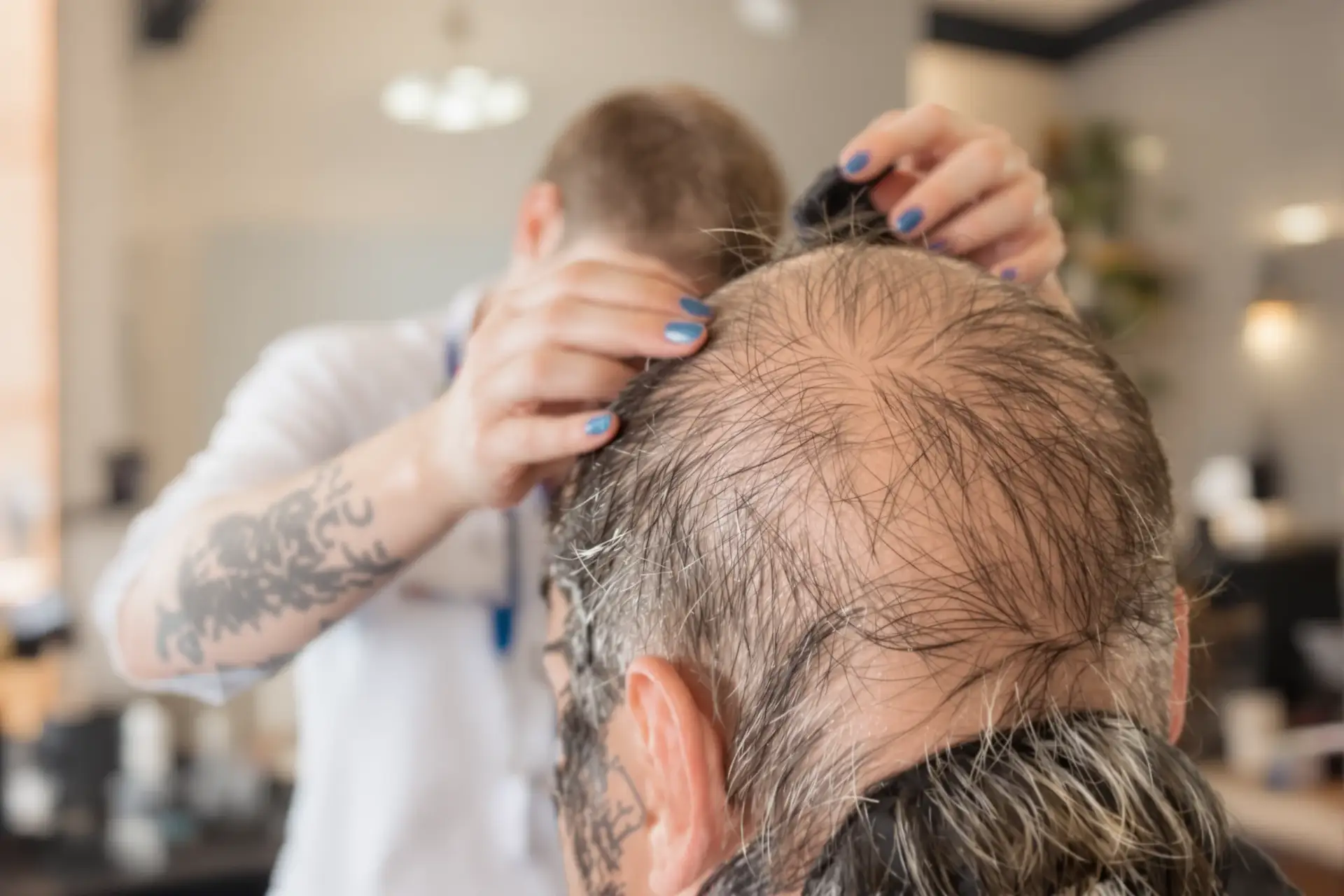



The Short Answer, and Where the Hat Myth Came From
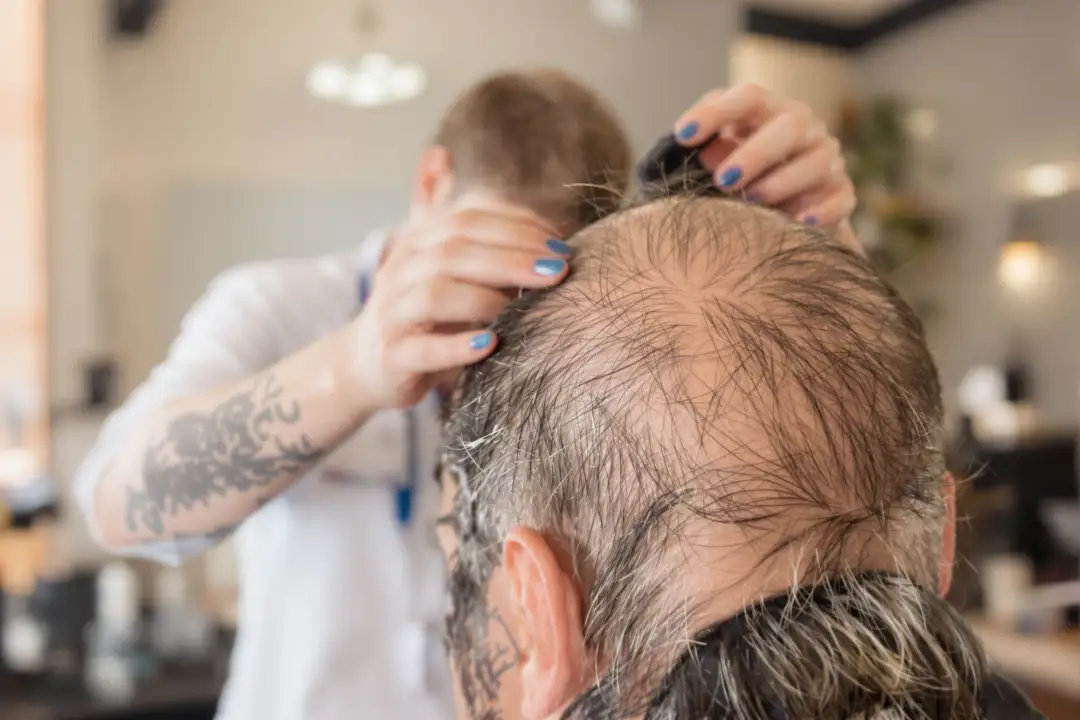
No, hats aren't the reason your hairline is creeping back. That myth has been bouncing around barbershops and internet forums for decades, but the science tells a different story. Hair loss isn't triggered by what you put on your head, it's driven by what's already in your genes.
So where did the hat myth come from? Hard to pin down exactly. One likely source: old barber talk. Guys in the 1950s and '60s who wore fedoras or flat caps started thinning, and someone noticed. Correlation got mistaken for causation. Over time, the idea spread: hats suffocate your scalp, or they cut off blood flow to the follicles. Neither is true. Your scalp gets plenty of oxygen and blood whether you're wearing a cap or not.
There's a small grain of truth, though. Tight hats, we're talking beanies that feel like a vice, or baseball caps with a grip so snug it leaves a red ring, can potentially cause traction alopecia . That's a different animal: hair loss from constant pulling or tension on the follicles. But traction alopecia usually affects the temples or along the hairline where the hat rubs hardest, not the classic receding hairline that starts at the crown. That loose-fitting cap you've got on? Not causing any trouble
What really pushes a hairline back is dihydrotestosterone, DHT for short, a hormone that grabs sensitive follicles and shrinks them over time. Which follicles are sensitive? That's genetics. Hats? They're not part of the process. They don't boost DHT, they don't change blood flow, and suffocation? Not a thing.
So if you've been blaming your favorite cap or beanie, stop worrying. Keep wearing it. The hat isn't the problem. Look at your father or grandfather instead. There's your answer.
What Genuinely Causes a Receding Hairline
Short answer: no. That cap isn't making your hairline retreat. But that doesn't mean the question is pointless. Knowing what does push your hairline back helps you tell worry from real warning signs.
It runs in families. The real driver is dihydrotestosterone (DHT), a form of testosterone that shrinks hair follicles as years pass. By 35, about two out of three men show at least some thinning. That's not a hat. That's biology.
Here are the real culprits:
- Genetics. Your DNA loads the gun. If your father or grandfather started losing hair in their 20s or 30s, you'll probably follow a similar path.
- Hormones. DHT sensitivity differs from one person to the next. Some men keep a stable hairline into their 60s, even with normal DHT levels. Thinning are started by Others as early as 18.
- Age. Hair follicle miniaturization is part of normal aging. For some it speeds up. For others, it slows down.
- Stress & lifestyle. Telogen effluvium, temporary shedding after major stress, illness, or crash dieting, can tip you past a certain point. But it's usually reversible. It won't permanently recede the hairline unless you're already genetically prone.
- Medical conditions. Thyroid issues, iron deficiency, autoimmune stuff like alopecia areata, they cause patchy loss, not the classic M-shaped recession.
- Medications. Blood pressure drugs, antidepressants, anabolic steroids, they can speed up hair loss.
Back to the hat. Wearing a tight cap for eight hours a day can contribute, but only if it's very tight and you're already thinning. If it's very tight and you're already thinning, traction can pull on fragile hairs. But does wearing hats cause a receding hairline in a healthy guy with no genetic predisposition? No. And honestly, dirt and sweat under a hat aren't great for scalp health either, but that's clogged pores, not permanent recession.
One more thing people miss, the way you style your hair can mimic recession. If you've been pulling your hair back into a tight man bun or wearing a heavy beanie that yanks at the temples, you might see temporary thinning along the hairline. That's traction alopecia, and it stops if you stop the pulling.
Bottom line: look at your father, not your headwear, and genetics and hormones run the show. The hat is just along for the ride.
When a Hat CAN Contribute: Tension and Scalp Hygiene
So the answer: for the vast majority of guys, no, not directly. For the vast majority of guys, the answer is no - not directly. A hat can push things in the wrong direction in two specific cases: tension and hygiene. It's not that the hat itself is the enemy. What matters is how tight you wear it and how often you clean it.
The tension problem: tight hats pull on roots
If you're yanking a snapback down tight over your forehead or shoving a beanie low enough to leave a red mark, that's constant tension on the follicle. Weeks or months of that steady pull can trigger traction alopecia, a form of hair loss from mechanical stress. Manlike pattern baldness it isn't, it's mechanical. Thinkers show up most along the temple line, right where the brim or elastic presses. The fix is straightforward: ease up on the strap, go with a relaxed-fit hat, and take the hat off at night. If you spot redness or a dent, your hat's too tight
Scalp hygiene: sweat, oil, and bacteria
The other issue, and a dirty hat. A hat worn daily traps sweat, sebum, dead skin, and bacteria. If you never wash it, and most people don't, that buildup can irritate the scalp. Follicles get inflamed, a condition called folliculitis. Chronic inflammation in the follicle can speed up shedding, especially if you're already prone to genetic thinning. But the hat isn't what's driving the hairline back. The real issue is the environment trapped under the hat. Think of it like an unwashed pillowcase-except you're wearing this one on your head all day.
What to do about it
- Wash your hats every 1-2 weeks (hand wash with mild detergent, air dry).
- Avoid wearing the same hat two days in a row. Rotate them so each has time to dry fully.
- Take your hat off when you're indoors. Let your scalp breathe for a few hours a day.
- Skip the tight beanies. A loose knit that sits without pulling is fine.
Hat Habits That Protect Your Scalp
Let's cut through the noise: a hat itself won't make hair fall out. But certain habits you pair with that cap can stress your scalp. And if your hairline is already vulnerable, thanks to genetics or inflammation, those habits might push things along faster. The real inquiry isn't does wearing hats cause receding hairline but rather how can you wear one without making things worse. Here's what actually helps.
Give your scalp room to breathe
Three to four hours. That's about the longest you should keep a snug cap on before giving your scalp a break. Sweat and oil build up underneath the fabric, and a warm, damp environment can irritate hair follicles over time. I tell guys: if you're wearing a beanie all day at a construction site or a ball cap through a long shift, take it off during lunch. Even five minutes of air helps.
Choose the right fabric and fit
- Breathable materials: Cotton, wool, or moisture-wicking synthetics let air circulate. Avoid polyester beanies that trap sweat against your skin.
- Not too tight: A hat that leaves red marks on your forehead or temples is compressing blood flow. That doesn't kill follicles, but chronic tension at the hairline can aggravate traction-related thinning. You want a snug fit, not a vise.
Wash your hats regularly
Dirty hats are a breeding ground for bacteria and yeast. That's not causing male pattern baldness-but it can trigger scalp inflammation, which may speed up shedding in prone individuals. Toss your cap in the wash every 1-2 weeks (check the label) or at least wipe down the sweatband with a mild soap weekly
Avoid sleeping in a hat
I get it-some guys pull a beanie over their eyes to block light. But eight hours of your scalp pressed against a sweaty fabric? No benefit, and let your skin recover overnight. Use a sleep mask instead if you need darkness.
The bottom line: does wearing hats induce receding hairline? Not unless your habits turn that hat into a dirty, tight, sweat-soaked petri dish. Keep it clean, keep it loose, and take it off every few hours. Your hairline will thank you.
What to Do If Your Hairline Is Already Receding
So your hairline's receding, and first thing to clear up: it's not the hat. The whole 'do hats cause hair loss' worry, it pulls focus from what's really going on under the scalp. The real culprit is almost always genetics, specifically, how your hair follicles respond to dihydrotestosterone (DHT). So what do you do about it?
Step one: Get a real diagnosis
Don't guess. See a dermatologist or a hair specialist. They'll check for follicle miniaturization with a dermoscope and rule out things like telogen effluvium (stress shedding) or a vitamin deficiency.
Start treatment early - waiting costs you follicles
If it's androgenetic alopecia, the standard pattern, the best-studied treatments are topical minoxidil (Rogaine) and oral finasteride (Propecia). Minoxidil works best on the crown and vertex, while finasteride slows loss over the whole scalp. Don't expect overnight results, hair cycles run slow.
For the hairline specifically, studies show low-level laser therapy (LLLT) devices, caps or combs, can nudge frontal density up in about half the users after 6-9 months. They're no cure, but they give you a non-drug route to try
Tweak your hat habits (but don't toss them)
And yes, keep wearing your favorite cap. A weekly or biweekly wash keeps sweat and bacteria in check, they don't cause hair loss, but buildup on the scalp can aggravate itching or inflammation. Avoid tight fitted hats for extended periods.