



Is a Hair Transplant Successful for Women?
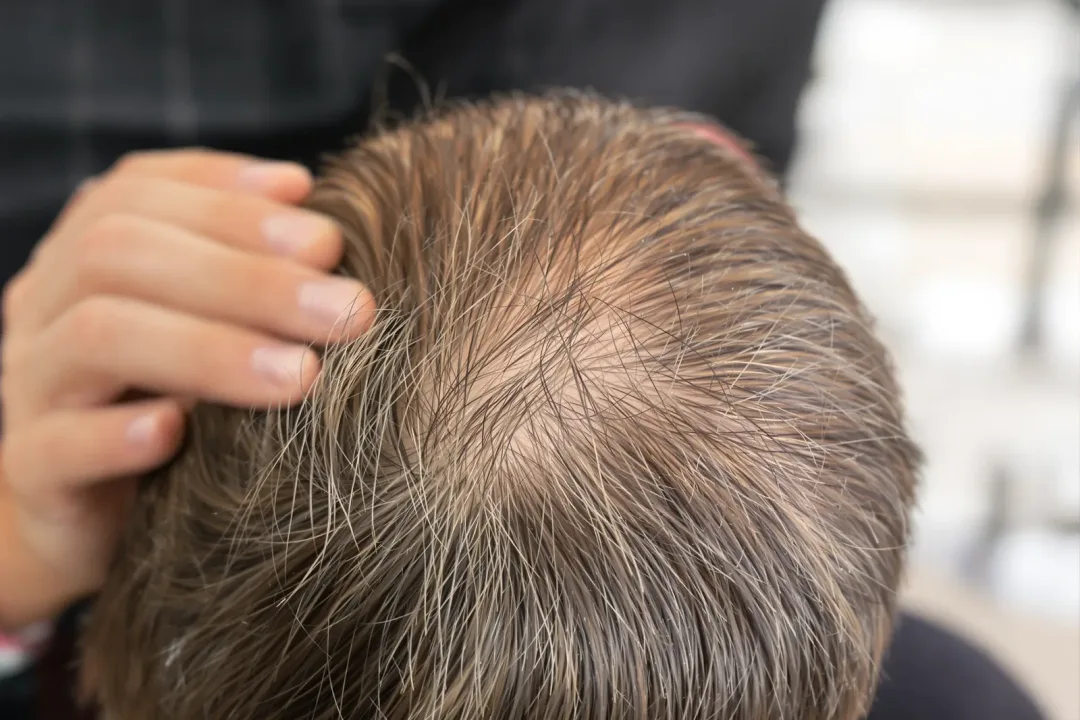
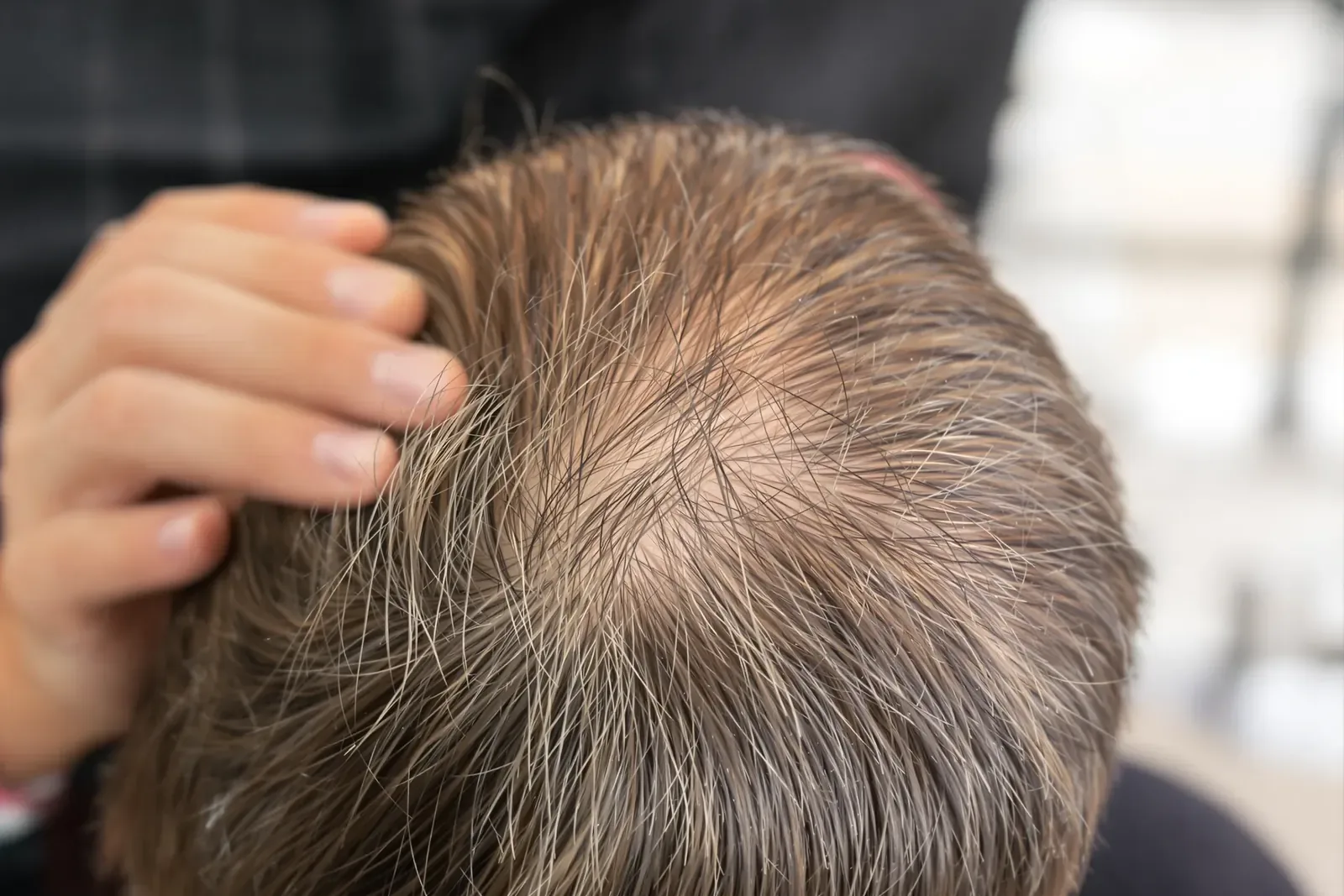
Yes - for the right candidate. That qualifier matters more for women than it does for men. A female hair transplant can produce lasting, natural-looking coverage when the loss follows a stable pattern and the donor area at the back of the scalp carries good density. Get either of those wrong. It also you'll see disappointing growth or an unnatural result.
The difference comes down to diagnosis. Male balding almost always spares a permanent strip of donor hair. Women often don't have that luxury. Diffuse thinning that spreads across the whole scalp can weaken the donor zone, so grafts taken from it may not thrive. The exceptions do very well. Traction alopecia from years of tight ponytails, hairline recession after surgery, and stable female pattern loss in women over 40 all respond well because the donor hair is healthy.
Here's how the screening usually shakes out:
- Loss pattern: stable female pattern loss or localized thinning, versus diffuse thinning across the whole scalp
- Donor density: a dense, elastic donor zone, versus weak, see-through donor strands
- Cause: traction alopecia, scarring, or genetics, versus an unmanaged medical condition
Published studies back that figure, and it holds up in practice. So don't measure success only by hair growth, and for women, success means visible density. Female scalps usually need 45-55 grafts per square centimeter versus 30-40 for men, female hair is finer, so thin coverage shows up faster.
The yardstick is different, and men tend to focus on the hairline and crown. Women usually measure results on the part line and overall density. Can you still pull it back? Does your part stay put? Good surgeons plan around your daily styling, not a static photo. This is why a proper consultation covers how you wear it, not just how much you've lost.
Expect a predictable timeline. Transplanted follicles shed around week two or three, nearly every patient panics, and it's completely normal. New growth arrives around month three, thin and sometimes wiry, and visible payoff arrives between month nine and twelve. Full maturation can stretch to 18 months.
Here's the part most guides skip. Donor follicles tolerate DHT well, which is why transplanted hair is permanent. The hair beside it isn't. If your native hair keeps thinning after surgery, you'll end up with islands of healthy hair on a receding scalp. Before booking, a good clinic in Turkey will raise this issue.
What Disqualifies You From a Hair Transplant?
A hair transplant simply relocates hair that's already on your head. That's the whole trick. So the first thing a surgeon checks before a female hair transplant is donor density, the band of hair at the back and sides of your scalp. Women with DUPA often don't pass this check. With DUPA, thinning isn't limited to the crown or the parting. It reaches the donor zone too, leaving no healthy hair to move. Active shedding is another disqualifier. Telogen effluvium, the heavy fallout that follows childbirth, major surgery, COVID, or rapid weight loss, has to run its course before anyone touches your scalp. Most surgeons want to see shedding stay stable for at least 6-12 months. Transplanting into actively shedding hair can make things worse because the shock of the procedure compounds the loss. Autoimmune conditions complicate a woman's candidacy. Alopecia areata flares without warning, and transplanted follicles can fall out just like your original hair. Psoriasis or lichen planopilaris in the donor area puts things on hold until treated. Uncontrolled thyroid disease is another reason you're off the table. Some disqualifiers are straightforward: blood thinners like warfarin or Eliquis, or a bleeding disorder. No clinic operates until your doctor clears you, and active scalp infection or folliculitis means no. Antibiotics first, transplant later. Ongoing chemotherapy or recent radiation to the scalp is another hard no. Heavy smoking's out. It restricts blood flow, and grafts depend on that circulation to survive. Most surgeons ask you to quit 2-4 weeks before surgery. There's also the expectation problem. If you're hoping to get your 20-year-old hairline back after 15 years of gradual loss, no surgeon can honestly promise that. A transplant replaces what's gone. But it doesn't stop future thinning.
Prefer WhatsApp?
Send a photo of your hair on WhatsApp. A doctor replies with a free plan.
How Long Do Female Hair Transplants Last?
The transplanted hair itself usually lasts decades. That's the honest short answer. But the fuller picture is more complicated, and women deserve the complete version before they book a female hair transplant.
Take the grafts themselves. Follicles moved from the bestower zone, the dorsum and sides of the scalp, carry a genetic resistance to the hormone - driven shrinking that underlies most common balding. Once relocated, they keep that resistance. Surgeons treat these follicles as permanent, and the record backs that up: patients who had procedures in the 1990s still have much of that transplanted hair today.
Here's what many brochures skip: a female hair transplant does not stop the underlying thinning. Women's hair loss tends to be diffuse, and if genetics, menopause, thyroid shifts, or postpartum shedding are driving it, that process keeps running in the native hair around the new grafts. The pattern I see in clinic: transplanted rows still strong at five years, while the hair behind them has thinned further.
That's why the planning conversation matters as much as the surgery. Clinics that work mostly with women tend to harvest the donor area conservatively and keep the hairline a touch higher. A low, ultra-dense hairline looks odd when the surrounding hair keeps thinning.
Medication changes the equation. Staying on a stable regimen helps hold native hair in place. When that holds, transplant results can look strong for 15 to 20 years or more . Some women schedule a touch-up session after five to eight years as new thinning appears.
What the recovery timeline looks like
Milestones tend to cluster in a predictable order:
- Shedding typically starts between weeks 2 and 4. Nearly everyone panics at this stage, and that's normal.
- By month 3, fine new growth starts to appear.
- Between months 6 and 9, the added density becomes noticeable.
- The final result settles between months 12 and 18.
Your age at surgery matters too.
What Is the Best Age for a Woman to Get a Hair Transplant?
There's no single magic number. Ask any surgeon who performs female hair transplants in Istanbul or the US and you'll get the same honest answer: the calendar matters far less than whether your hair loss has actually stabilized.
Age still plays a real role, though. Female pattern hair loss usually shows up between the late 20s and mid-40s, then accelerates around menopause. If you're 24 and shedding, a transplant now is a gamble. It hasn't fully declared itself yet. What looks like a small patch of crown thinning can spread over the next five years, and the transplant line you chose at 24 might sit oddly against the loss you have at 32. Reputable clinics hold off on anyone under 25 without a firm diagnosis. Traction alopecia and thyroid-related shedding respond to completely different treatments.
For most women, the practical window opens somewhere between the late 20s and mid-30s. By then, the recession pattern is visible and the donor area is still dense. Results have solid ground to build on. Patients in their 50s and 60s often do remarkably well, sometimes better than younger ones. Their hair loss has been steady for a decade or more.
Before committing, review these markers with your surgeon:
- Hair loss has not visibly worsened for at least 12 months.
- A scalp biopsy or trichoscopy confirms the diagnosis.
- The donor zone at the dorsum of your head holds good density.
- You're not mid-shedding from a pregnancy, recent stress, or a birth control change.
Age alone doesn't decide the verdict. Donor quality and stability do
Because a female hair transplant is permanent, the goal is planning for how your hair should look at 50, not just next year.
Female Hair Transplant Before and After: What the Timeline Really Looks Like
Most women I talk to picture a two-week turnaround after a female hair transplant. That's not how it works. Knowing each phase before you book saves you a lot of needless panic later. The real arc stretches past a year. Typical sessions run 1,800 to 2,500 grafts for female patients, far fewer than the 3,000-4,000 you hear men discuss. Protecting existing density is the first job.
The first two weeks. That first day your scalp is tender, dotted with tiny scabs, and swelling often drifts down toward your eyes by day two or three. Scabs start flaking off around day five, and by day ten nearly all have cleared. Redness is the slower part. In fair skin it can linger two to three weeks, sometimes longer at the hairline. Most women head back to work within 7-10 days. Still, you'll want loose, button-up tops so nothing gets pulled over your head.
Months three to six: the phase nobody warns you about. Here's the part that undoes a lot of patients: from roughly week three to week six, most of the transplanted hair falls out. You'd swear the surgery failed. It hasn't. This is normal shock loss, and it makes months two and three the hardest stretch psychologically.
Real growth shows up around month four: fine, wispy hairs at first that look thin and uneven. Density builds slowly from there. It also by month six you'll see maybe half the final result. Hair grows about half an inch a month, so month eight looks noticeably fuller than month six. The full cosmetic benefit lands between months 12 and 18, depending on your donor quality and the cause of your hair loss.
The 12-18 month timeline at a glance
PhaseTimingWhat you're dealing with HealingDays 1-10Scabs and swelling, mostly clear by day ten SheddingWeeks 3-6Transplanted hair falls out, normal shock loss Early growthMonths 3-4Fine new hairs, thin and patchy Density buildingMonths 5-9Hair thickens, part line starts to fill Final resultMonths 12-18Full cosmetic outcomeTwo things shape that timeline more than anything else. First, whether your female hair transplant was tackling pattern thinning or something like traction or scarring alopecia. Scar cases often take a second session to hit full density. Second, whether you stick with support therapy. Minoxidil, spironolactone, or similar meds protect the native hair around the grafts. Without them, the transplanted hair survives, but the surrounding hair can keep thinning.