:no_upscale()/media/ic/images/2026/02/29fedc4f885d4517814e7ad43cc5df63.webp)
:no_upscale()/media/ic/images/2026/09/hair-transplant-albania-key-facts-in-article.webp)
:no_upscale()/media/ic/images/2026/04/Tugba-Hoca.webp)


Hair Transplant in Albania: What You Need to Know
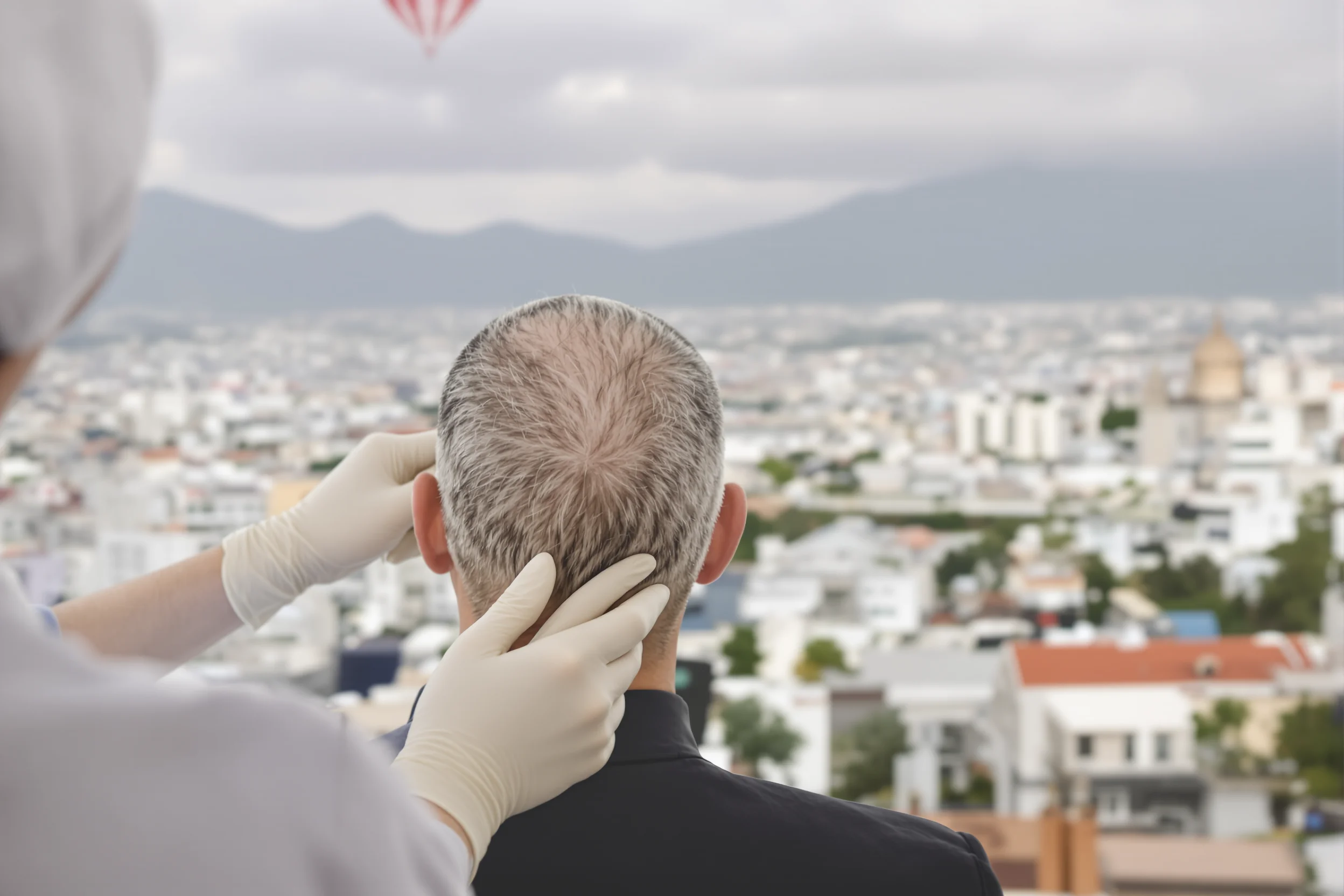
Over the past five years, Albania has become a serious contender for medical tourism, particularly for hair restoration. A growing share of the international caseload in Tirana's private clinics now comes from British patients. The reasons are straightforward. Costs are significantly lower than the UK, and surgeons have European training. Regulations have also tightened noticeably since 2022.
Why patients from the UK are looking at Albania
That price gap covers the flight and a week's accommodation, leaving most patients thousands of pounds ahead. Clinics in Albania routinely use DHI or -blade FUE, the same techniques offered at Harley Street addresses, for roughly a third of the cost
What sets clinics apart in Tirana
Not every clinic operates at the same standard. Reputable clinics employ full-time surgeons who perform extraction and implantation personally, rather than delegating to technicians. A handful of clinics now offer punch sizes below 0.8 mm, which reduces scarring and speeds healing
Transparency around graft counts matters. Some low-cost providers quote an artificially low per-graft price, then recommend far more grafts than needed. A trustworthy clinic will assess your Norwood scale level during a video consultation. They will provide a written breakdown of the graft estimate and explain why that number fits your donor supply and desired density.
Recovery and follow-up care
Four to seven days post-procedure, most patients fly home. The scabbing phase lasts roughly ten days, and the shedding phase, where transplanted hair falls out before regrowing, starts around week three. Remote follow-up via WhatsApp or email is standard at reputable clinics, usually lasting at least six months. A few also offer a free touch-up session within the first year if the final density doesn't meet expectations.
Travel insurance that covers elective surgery abroad is non-negotiable. The same goes for a clinic that provides a named contact for complications after you return to the UK.
Understanding the Cost of Hair Transplants in Albania
For many UK patients, the cost of a hair transplant in Albania is the main draw
That includes the procedure, local anaesthesia, post-op check-ups, and often a wash the next day
What the package usually covers
ComponentTypical inclusion Consultation & hairline designComplimentary, often via WhatsApp before travel Procedure (FUE / DHI) One day, 2,500-4,000 grafts Medication packAntibiotics, painkillers, spray (5-7 days) Aftercare & follow-upDay-1 wash, remote check at week 2 and month 6 Hotel transferRound-trip airport-clinic-hotelNot every clinic bundles accommodation. Others, such as NOBI Hair, include it in the base price. Read the clinic's website and the fine print, or ask for a written breakdown
The price difference versus the UK comes down to several factors. Labour costs are lower and clinic overheads slimmer. Plus, competition among the 50+ hair clinics in Tirana drives prices down. That doesn't mean corners get cut, many surgeons trained in Italy or Germany and use the same equipment as London clinics.
Watch for hidden fees. A few clinics charge extra for high-density packing or larger graft counts. Always ask for the all-in total.
The real cost includes both euros and the time you spend researching. Vet the clinic thoroughly and check Albania reviews, and then confirm the surgeon's hands-on role.
Albania vs Other Destinations for Hair Transplants
Most men comparing clinics abroad start with Turkey. It dominates search results, and for good reason-low prices and high volume, backed by years of experience. But Albania has become a serious alternative, especially for British patients who want something closer to home without the UK price tag.
What You Actually Pay
The gap between Albania and Turkey narrows once you factor in flights. Tirana is a 2.5-hour flight from London. Istanbul is 3.5-4 hours. That difference in travel time saves you a night's accommodation and a day off work
Regulation and Standards
Turkey's medical tourism boom has produced excellent clinics and some cowboy operations - it's a mixed bag. Albania's sector is smaller, newer, and still building its reputation. That works in your favour if you pick a clinic with European-trained surgeons and transparent pricing. The Albanian Medical Chamber licenses clinics, and several in Tirana follow European protocols. You won't find the same assembly-line feel that some Turkish clinics are known for - 40-50 patients a day, rotating teams. Most Albanian clinics handle 2-4 patients daily.
What About Other European Destinations?
Poland and Hungary have established hair transplant scenes with strong reputations. Prices are higher than Albania, and flight costs from the UK are similar. The main difference is availability - Albanian clinics tend to have shorter waiting lists because fewer British patients know about them yet. That is changing, but for now you can often book a consultation within two weeks versus two months in Warsaw or Budapest.
For British patients, hair transplant Albania offers a solid middle ground - cheaper than Western Europe, closer than Turkey,
What to Look for in a Hair Transplant Clinic in Albania
Choosing the right clinic for a hair transplant in Albania comes down to a few non-negotiable factors. Start with the surgeon's qualifications. Look for membership in the International Society of Hair Restoration Surgery (ISHRS) or equivalent European bodies. A doctor who only performs hair transplants full-time is a stronger bet than a general practitioner offering it on the side.
The clinic itself should be registered with Albania's Ministry of Health. It also display its licence publicly. Hygiene standards matter. Ask whether they use single-use instruments and sterile packs for each patient. Many clinics in Tirana offer modern FUE equipment - check if they use motorised or manual punches, and whether the extraction process is performed under local anaesthetic with sedation if needed.
Graft counts vary widely. A reputable clinic won't promise 5,000 grafts in one session unless the donor area is exceptional. Typical ranges are 2,500-4,000 grafts per day. Get a written breakdown of what that price includes: anaesthesia, PRP therapy (if offered), medication, and follow - up visits. Some clinics add hidden fees for "extra grafts" during surgery. Avoid those.
Patient reviews are the single most reliable signal. Clinic website photos are curated and may not reflect typical results. Searching for hair transplant albania reviews on Google, Trustpilot, or forums like Reddit's r/HairTransplants is more reliable. Consistent feedback on donor scar quality, natural hairlines, and complication handling should be sought.
Aftercare is more important than most first-time patients realize. Reputable clinics schedule check-ups at 3, 6, and 12 months, even for remote patients via video call. Clear written instructions for washing, sleeping positions, and exercise resumption should be provided. If a consultation is rushed and only a generic brochure is given, it is a red flag.
Long-Term Outcomes: What to Expect After 10 Years
After a decade, many male patients wonder whether the grafts they paid for still hold up. This rate matches what top clinics in Turkey or the UK achieve, provided the hair transplant Albania clinic is reputable and the surgeon is an ISHRS member.
What stays and what goes
Hairs moved from the donor zone (the back and sides of the scalp) are genetically programmed to resist dihydrotestosterone (DHT). Unlike native hairs on top, these transplanted hairs don't fall out. The transplanted hairline visible at month 12 remains intact at year 10, though it may become slightly finer if graft handling wasn't gentle. Native hair from the patient is the main variable, and over ten years, male pattern baldness continues to progress. Crown and mid‑scalp areas not transplanted may thin further, creating a gap between the dense frontal area and a balding vertex. This does not mean the transplant failed. It represents the natural progression of hair loss in individuals who haven't used finasteride or minoxidil.
Do you need a second session after 10 years?
Many patients do. Some clinics in Albania offer touch-up sessions at reduced rates for returning patients. Your initial consultation is a good time to ask about discounts for follow-up work.
Donor scar visibility
If you undergo FUT (strip excision), the linear scar at the back may stretch slightly over time, particularly if you have loose skin or gain weight. FUE leaves tiny dot-sized scars that are barely visible even under a short buzz cut. In either case, the clinic's technique and the surgeon's skill determine how noticeable the scar remains after ten years. Examine before-and-after photos from Albanian clinics that show the donor area at least one year post-op. This is a far better indicator than any promise the clinic makes.
Realistic expectations matter. A hair transplant Albania can provide a natural-looking hairline that lasts a lifetime, but it will not stop the rest of your scalp from following its genetic program. Plan for maintenance, and you will be satisfied with the reflection in the mirror ten years from now.