


What are hair transplant scabs and why do they form?
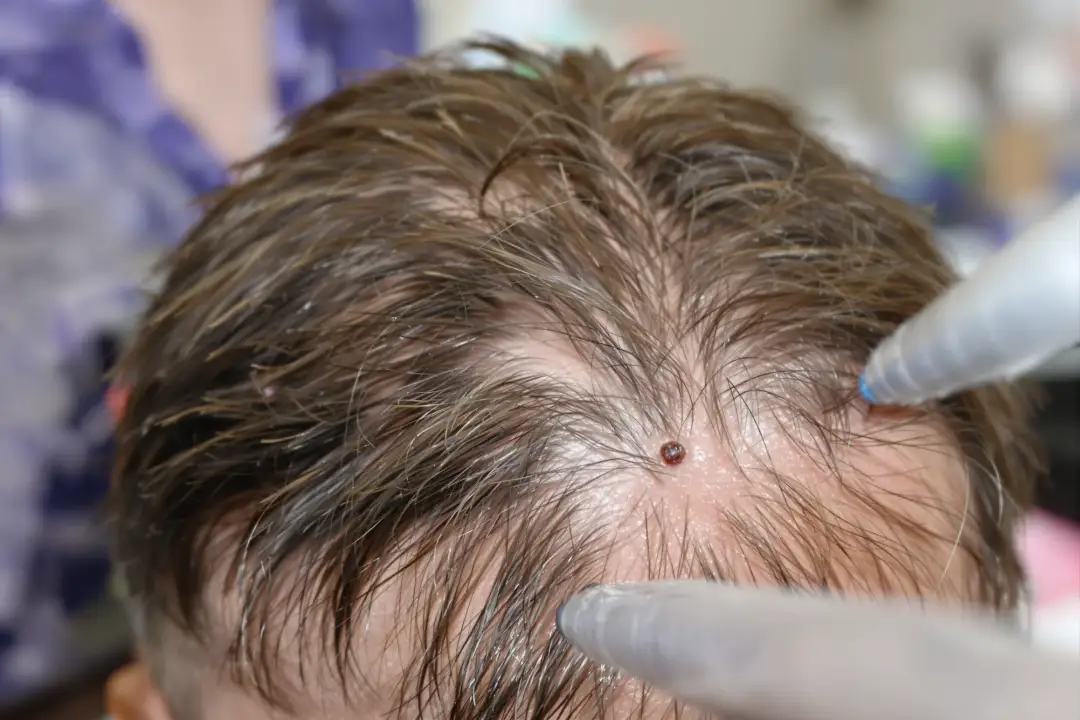
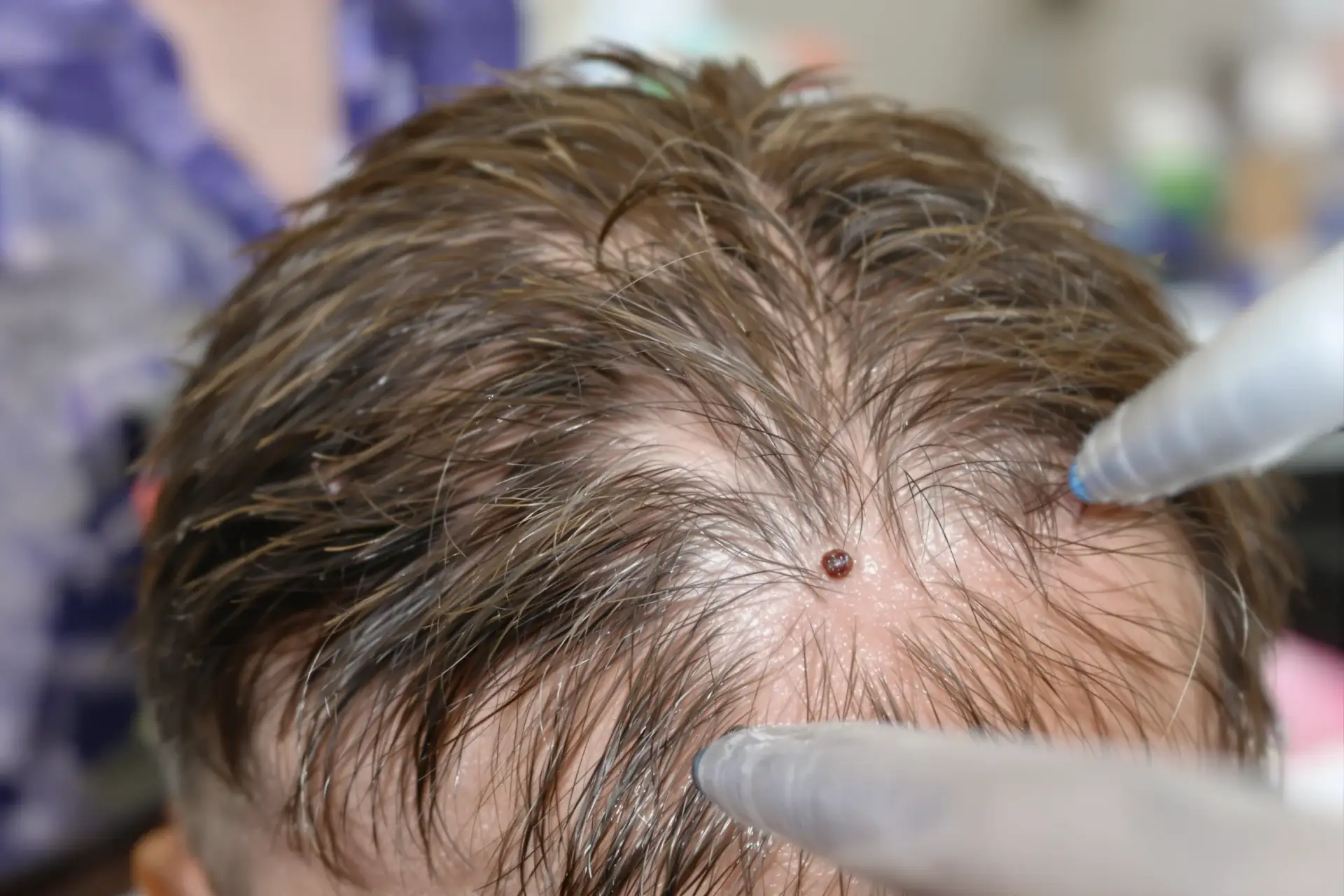
Right after an FUE or DHI procedure, tiny wounds cover both the donor and recipient areas. The body reacts by rushing platelets and fibrin to the surface, plugging the gaps. Within 24 to 48 hours, that mixture dries into crusts, and those crusts are hair transplant scabs .
These scabs are not dirt, and they aren't a sign that something went wrong. Instead, they're biological scabs, much like the scab on a knee after a scrape, except each sits on top of a graft site. Underneath, the recipient area heals as the new follicles anchor into the scalp. The scabs act like tiny bandages, keeping bacteria out and moisture in, and preventing the graft from dislodging while it settles.
These scabs form due to the micro wounds created during the procedure. Every hair transplant creates thousands of micro wounds:
- Extraction wounds : in the donor zone, follicles are removed with a punch tool, leaving small circular cuts.
- Recipient incisions : tiny slits are made in the balding area to place each graft.
- Graft placement : even gentle insertion can cause slight bleeding around the opening.
Each spot is interpreted by the body as an injury, and a fibrin‑platelet clot forms and hardens into a scab. Initially, scabs are dark red or brown and turn paler as they dry over the next week. Around day 7 to 10, they start lifting off naturally during washing. By day 14, most patients are scab‑free.
Picking or rubbing these crusts off early can yank the graft right out with them. The follicle hasn't fully embedded until about day 3 to 5, and the scab is the only visible sign the wound is still closed. Forcing the scab off risks bleeding, infection, and a patchy result. Patients who can't resist picking often end up with small bald spots that take months to fill in.
So hair transplant scabs are a normal, protective part of healing. They appear because the scalp is doing its job. The key is to leave them alone until they fall off on their own, usually during the first gentle shampooing sessions the clinic prescribes. More on exactly how to wash (and what not to do) in the next section.
Are scabs after a hair transplant normal?
Yes, they're normal. Every single patient who gets an FUE or DHT procedure will develop scabs. Among hundreds of post-op photos reviewed, there is no exception. The surgeon creates tiny scalp incisions, typically numbering between 1,000 and 4,500, and each one bleeds slightly, which leads to scab formation. The blood coagulates, dries, and then hardens into a scab around the fresh graft.
These scabs act as a natural bandage. The scab protects the graft while it anchors into the blood supply underneath. The crusts are most noticeable around days 2 to 4. They appear small and dark, and the skin may feel tight. Patients who travel from cities like Chicago or Denver for procedures may panic around day 3 because scabbing peaks as swelling subsides. This is the typical recovery curve, and the appearance worsens before it improves.
A common mistake is picking or scratching the scabs off, and this should be strictly avoided. Removing a scab before day 7 or 8 can pull the graft out. Once the graft is gone, it is permanently lost. There is no second chance. The follicle will not grow back.
Instead, the scabs must soften and shed naturally, and most start falling off between day 7 and day 10. The surgeon provides a specific washing routine-typically a gentle soak with a saline or baby-shampoo mix, followed by light finger pressure, not scrubbing. By sticking to that routine, scabs loosen over time and come off without any damage.
If something's off, how do you know. If the scabbed area oozes yellow fluid, gets hot to the touch, or starts spreading redness beyond the graft sites, call your clinic. This could mean infection, not normal healing. A dry, dark crust sitting on each graft site during the first week is normal. That's textbook healing. It is a sign that your body is doing exactly what it should.
How long do hair transplant scabs usually take to fall off?
Most hair transplant scabs fall off between 7 and 14 days after surgery. This is the short answer, and day 10 is the typical milestone for most people. But the exact timing depends on several factors. Here is the breakdown. The scabs form within the first 48 hours. They're dried plasma and blood around each graft. Around days 3 to 5, they become crusty. It also set. You won't see any falling off before day 5. That is too early. If scabs come off before that, the graft may come with them. Shedding typically occurs between days 7 and 10. Tiny crusts may appear on the pillow. Some scabs fall off during the first gentle washing. Around two-thirds of patients are mostly scab-free by day 10. Remaining patients have scabs until day 12 or 14. Scab timing varies from person to person.
Day RangeWhat HappensWhat You Should Do Day 1-2Scabs form. grafts are fragileDon't touch. Follow post-op spray schedule. Day 3-5Scabs harden and darkenContinue gentle misting. No picking. Day 7-10Majority loosen and fallReturn to gentle shampoo routine. Let water run over the area. Day 10-14Stubborn crusts finally detachUse prescribed conditioner or soak during shower. Still no picking.A few things slow the process, and dry indoor air can slow the process. It are slowed by Lack of moisture from the spray routine. Constantly touching the area is another factor. Patients who skip the ointment prescribed by their surgeon may see scabs persist beyond 14 days. Scabs that persist beyond 14 days aren't unusual. It happens. Certain clinics recommend a wet soak, 20 minutes with a damp, sterile gauze. Other clinics advise simply waiting. Hard, stuck scabs past day 14 may signal low humidity or poor hydration. A quick check with your clinic is fine. But the norm is 7 to 14 days.
Why should I avoid picking or scratching the scabs?
Scratching or picking at the scabs after a hair transplant isn't just a bad habit - it can undo weeks of healing in seconds. Those crusts form because the scalp is essentially a wound bed. Each graft sits in a tiny slit or punch hole. Yank off a scab early and you might pull the follicle right out with it. That transplanted hair is gone for good, and there's also the infection angle. Scabs seal the entry points. Flick one off and you leave an open portal for bacteria. Staph infections aren't rare in post-op scalps that get picked at. A single infection can wipe out multiple grafts and leave permanent scarring. You'd rather wait a week than deal with that. The hard truth: scabs look ugly but stay put for a reason. They're a natural bandage. New skin is knitting together beneath the scabs. Interrupting that process resets healing each time you pick. So instead of a scab fall in 7 days, you could see 14 to 18 days of oozing and crusting. Picking scabs leads to more scabs, longer recovery, and worse final density. Here is what actually happens when you scratch: - Graft avulsion - a fresh graft is anchored only by a tiny clot. Scratching dislodges it. No root means no hair. - Scarring - picking tears the epidermis before it is ready. You end up with wider, more visible scars in the donor or recipient area. - Delayed healing - each scratch triggers bleeding and new scab formation. The whole timeline shifts by days. - Poor cosmetic result - even if grafts survive, picking can cause patchy growth or distorted angles. The hair that does grow may look unnatural. The safest action is to do nothing. Allow the scabs to loosen on their own. From day 5 to 7, gentle washing with a baby shampoo rinse helps scabs loosen and fall off without force. If an area itches badly, dab it with cooled saline instead of scratching. An ice pack, wrapped in a clean cloth, also helps reduce itching. The bottom line: every scab you leave alone is a follicle you save. Resist the urge to pick or scratch at the scabs. Your final hair density depends on how carefully you handle this stage.
How can I gently care for my scalp to help scabs heal?
Gentle care during the first two weeks is the single biggest factor in how smoothly scabs heal. Scabs form to protect each fresh graft - pick them too early and you risk pulling out the follicle. The goal is not to remove scabs. It's to let them loose. It also fall off on their own, usually by day 10 to 14.
Day Range What to Do Day 1-2 Do not touch the scalp at all. No washing, no rinsing. Sleep with your head elevated (two pillows) to reduce swelling. Any fluid on the scalp is normal serum - leave it alone. Day 3-5 Start your first wash. Use only the gentle shampoo your clinic provided (or pH‑balanced baby shampoo). Dilute it in a cup of lukewarm water, pour over the recipient area, let it sit 30 seconds, then rinse by pouring clean water - never direct shower spray. Pat dry with a soft paper towel (no rubbing). Day 6-10 Continue same washing routine, but you can increase frequency to twice daily. Scabs will start to feel looser. Don't scratch. Some clinics recommend gentle finger‑tip massage in circular motions during the rinse - ask yours first. Day 11-14 By now most scabs should have fallen off during washes. If a few cling, keep washing normally for another 2-3 days. Never pick at them. If a scab lifts with slight pressure from the shampoo rinse, that's fine. If it resists, leave it.Extra rules that matter
- Water pressure: Never let the shower stream hit the recipient area directly. Cup water in your hand to pour over, or use a small plastic jug.
- Donor area: The back of your head needs the same gentle wash but can tolerate a bit more finger pressure. Still, refrain from scrubbing.
- Sunlight: Keep the scalp covered or stay indoors for the first 3 weeks. UV exposure dries scabs and makes them crack prematurely.
- Moisture: Applying a thin layer of prescribed antibiotic ointment helps keep scabs flexible. Never use heavy creams or oils without your surgeon's approval.
Follow this routine consistently. Most hair transplant scabs shed naturally by day 14.