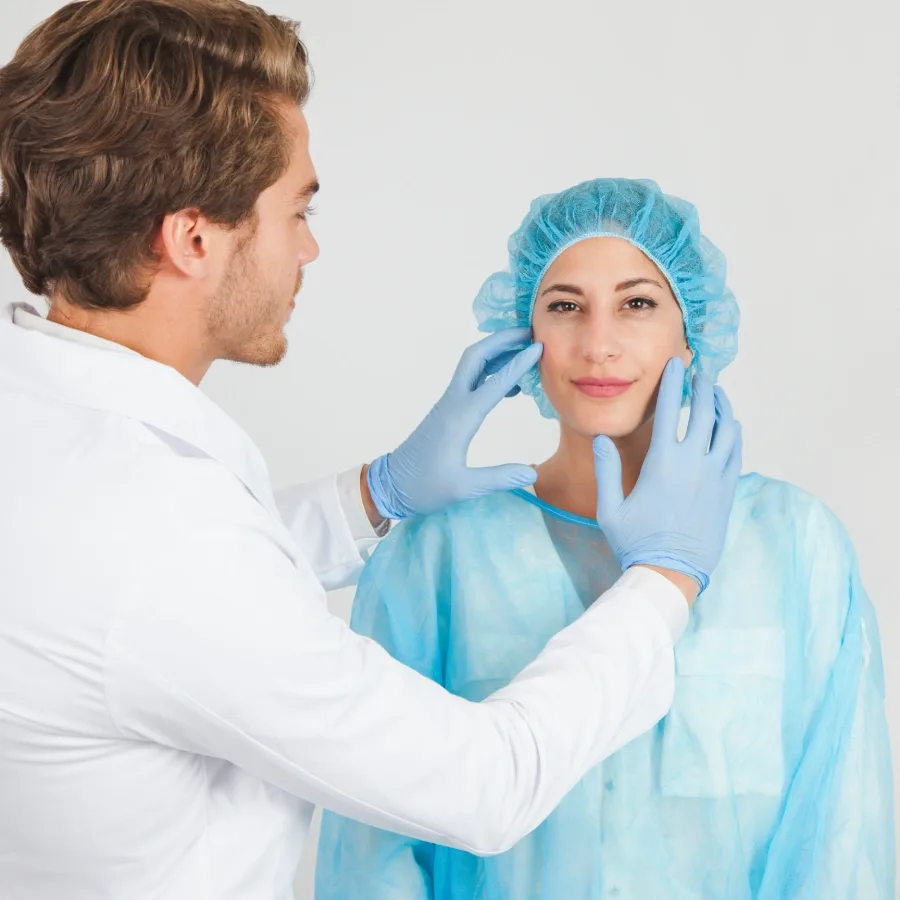
Look, 'facelift' is one of those terms people toss around without ever defining it. I've had patients walk in expecting sci-fi results, others think it's just a fancy neck tuck. Neither one is right, actually.
A facelift, technically a rhytidectomy, targets the deeper structures, not just the top layer of skin. Goal: reposition sagging tissue (remove excess fat if needed)trim loose skin. The outcome should be a fresher you , never that pulled-too-tight look.
A facelift doesn't address the forehead, eyelids, or brows—something many people overlook. So those are separate procedures. Standard lifts address the lower two-thirds of the face, including the cheeks, jowls, jawline, and neck. Deep nasolabial folds or marionette lines, and those need a different approach.
The surgery itself takes anywhere from two to five hours, depending on the specific technique used. In reality, you're under general anesthesia or heavy sedation. Incisions start inside the hairline at the temples, curve around the ears, and end in the lower scalp behind the ears. Good surgeons hide them well, most people won't spot them unless you point them out.
Recovery? Not a weekend thing. For about two weeks, you'll look swollen and bruised. Day 14? Most patients are back at work. But the final result settles over three to six months. And yes, sleeping with your head elevated for a while is required.
In practice, worth it? For the right candidate, someone with realistic expectations and good health, a facelift can knock a solid decade off the face. But it's surgery.