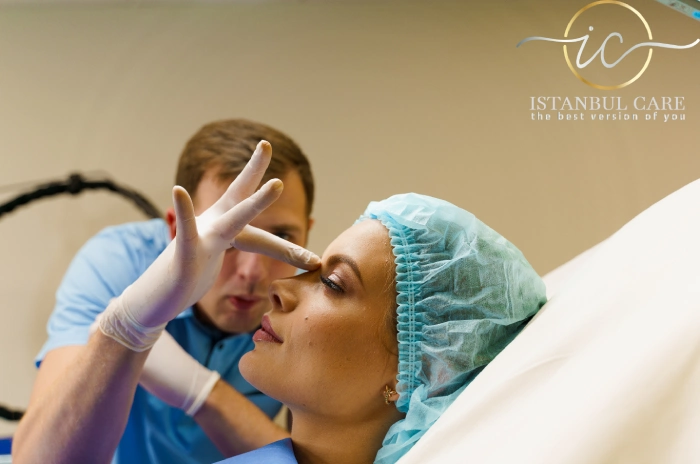
Rhinoplasty is both a cosmetic and medical procedure that requires a carefully managed recovery period to achieve optimal results. Whether you're looking to improve breathing, aesthetics, or both, understanding how to care for your nose after surgery is essential. This guide provides professional and easy-to-follow advice on rhinoplasty, helping you face each stage with confidence and comfort.
recovery from rhinoplasty it can vary from person to person, so clear instructions are essential. Knowing what to expect helps reduce anxiety and ensures patients follow the right steps during recovery. By staying informed and proactive, you can significantly improve both the safety and success of your rhinoplasty outcome.Recovery Time Table
| Recovery Phase | Time frame | Focus and Considerations |
|---|---|---|
| The immediate phase | Day 1–3 | Rest, manage swelling, avoid movement or facial expressions |
| Early recovery | Day 4–7 | Accessory in place, minimal movement, strict adherence to medications |
| Initial adjustment | Week 2–4 | The accent is removed, light activities resume, bruises disappear. |
| Intermediate Healing | Month 2–3 | Swelling goes down, back to daily routine, no high impact sports |
| The ultimate upgrade | Month 4–12 | The shape of the nose is refined, the tip is softened, the final results appear |
Instructions for Immediate Postoperative Care
The first days after rhinoplasty are essential for reducing swelling and preventing complications. You may have nasal stuffiness, a puffiness, and significant swelling or bruising around the eyes.- Keep your head up at all times, including while sleeping.
- Do not remove the splint or nasal strips unless instructed to do so.
- Avoid touching or blowing your nose.
- Use cold compresses near (not on) the nose to minimize bruising.
- Take the prescribed medication exactly as scheduled.
Tips to minimize swelling and discomfort
Swelling is natural after rhinoplasty and may take months to completely subside. Use these strategies for relief:- Sleep straight or at an angle of 30–45° for at least a week.
- Avoid salty foods, alcohol and excessive sun exposure.
- Stay hydrated with plenty of water and herbal teas.
- Place ice packs gently on the cheek (not directly on the nose) during the first 48 hours.
- Avoid straining during bowel movements - eat foods rich in fiber.
Understanding the Stages of Rhinoplasty Healing
Healing occurs in several stages:- Days 1–7: Swelling and bruising peak; the rail remains in place.
- Week 2–4: Bruises disappear; moderate swelling persists.
- Months 2–3: Form is refined; most of the swelling disappears.
- Months 6–12: Final contours appear; the slight swelling at the top disappears.
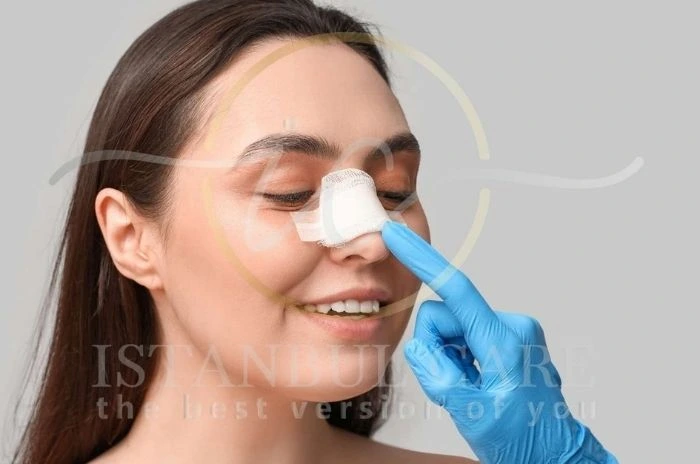 To preserve the results of the operation, follow these precautions:
- Avoid any trauma or pressure on the nose.
- Do not wear glasses or sunglasses unless you have a special support.
- Avoid tight tops that pull on your head.
- Refrain from laughing excessively or making strong facial expressions.
- Follow all taping or splinting instructions, if given to you by your surgeon.
Safe time frame for resuming daily activities
The return to normal activities should be gradual:- Days 1–7: Complete rest at home; no homework or errands.
- Week 2: Resume desk work and light tasks; avoid the crowds.
- Weeks 3–4: Light walks and non-strenuous routine tasks.
- Week 6+: Return to exercise, avoid contact sports for 3 months.
Sleeping positions that promote healing
Proper sleep positioning can speed healing and prevent displacement:- Sleep on your back with your head elevated 30-45 degrees.
- Use a wedge pillow or a back support.
- Avoid sleeping on your side or stomach for at least 3-4 weeks.
- Use wrapped towels to support the neck and prevent rolling.
Foods and nutrients to support recovery
Nutrition supports tissue regeneration and immune strengthening:- Give preference to proteins: eggs, poultry, legumes.
- Eat fruits and vegetables rich in vitamin C (citrus, bell peppers).
- Include healthy fats (avocado, olive oil) and zinc-rich foods (nuts, seeds).
- Avoid caffeine, alcohol and processed foods.
- Soft foods help prevent facial strain while chewing.
Recognizing and Addressing Potential Complications
Complications are rare but possible. Seek medical help for:- Continuous bleeding or dark discharge from the nose
- Temperature above 38°C or chills
- Sudden pain, asymmetry or loss of shape
- Unusual smell from the nasal cavity
- Skin changes such as redness or overheating
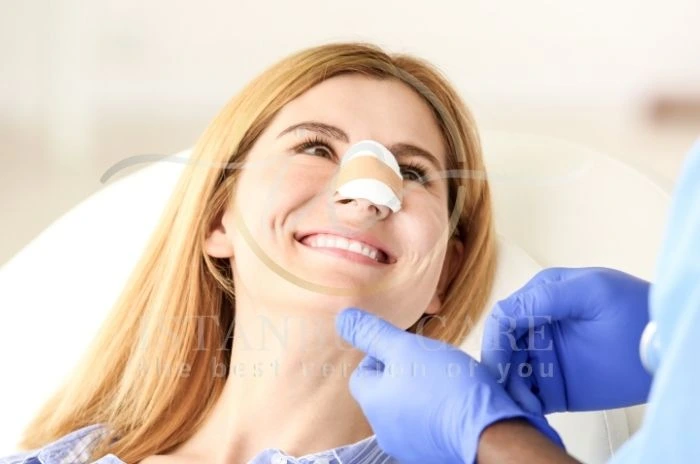
How long does it take for the swelling and bruising to go away?
- Bruises: Fades on day 10-14.
- Large swelling: Gets better within 3-4 weeks.
- Slight swelling: Especially on the tip of the nose, it may take 6-12 months.
The importance of follow-up care after rhinoplasty
Follow-ups are essential for long-term success:- 1 Week: Stripping and early progress check
- 1 Month: Evaluation of wound and structure
- 3–6 Months: Continuous monitoring of refining
- 1 Year: Final evaluation of the result
Follow all post-operative instructions, avoid trauma and attend every follow-up visit. Keep your nose protected and maintain a healthy lifestyle.
Slight swelling, bruising, nasal congestion and tenderness are normal. These symptoms usually improve after the first 10 days.
Avoid vigorous exercise for at least 4-6 weeks; light walks are safe after the 2nd week. Always consult your surgeon before resuming exercise routines.
Stay away from hot, crunchy, salty or spicy foods for the first 7-10 days. Soft, cold meals are easier on your healing tissues.
Your surgeon will do this, usually around Day 7. Do not attempt to remove or adjust the bandage yourself.
No. Blowing your nose can cause damage. Wait 3 weeks or more. Use saline sprays and moisturizers to safely relieve the blockage.
Yes. Subtle changes continue as the tissue settles for up to 12 months. This is especially true for the tip and bridge of the nose.
Avoid crowds, children, pets and wear button-ups instead of sweaters. Consider wearing a face shield in hazardous environments.
Contact your surgeon immediately - this may signal a complication. Never ignore sharp or sudden discomfort.
Major swelling disappears within 2-3 weeks, but full improvement takes 6-12 months. You are likely to feel confident in social settings after 14 days.Follow us on social media for updates, tips and patient success stories: