Gastric Bypass in Turkey

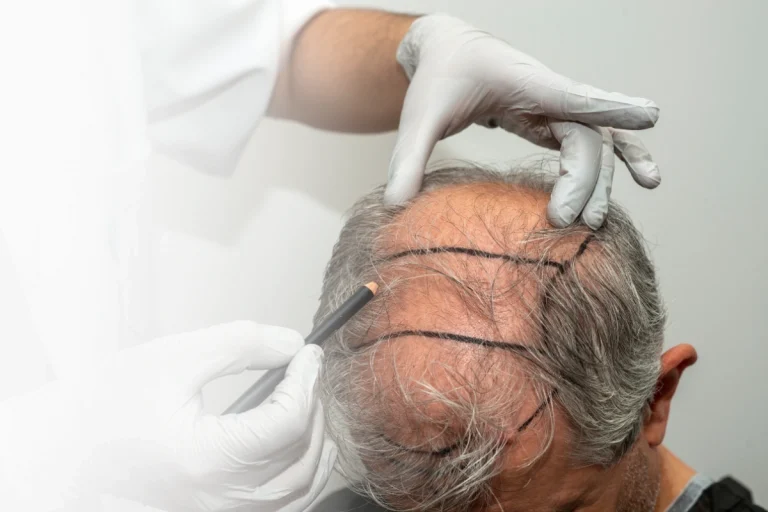
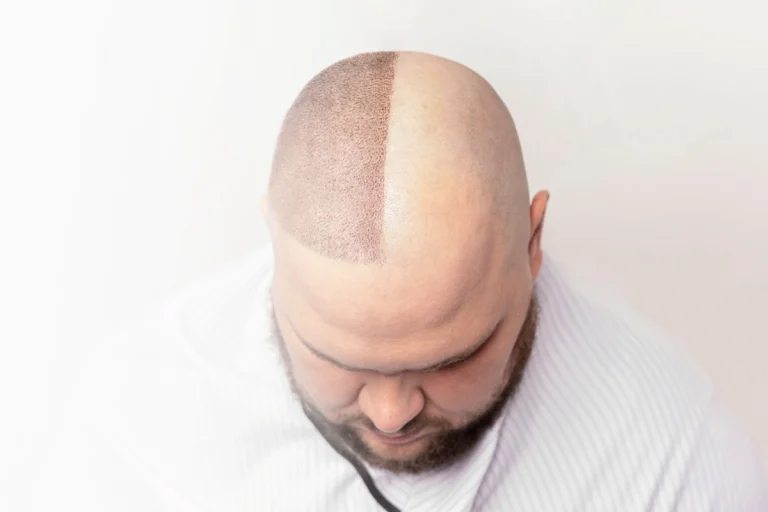
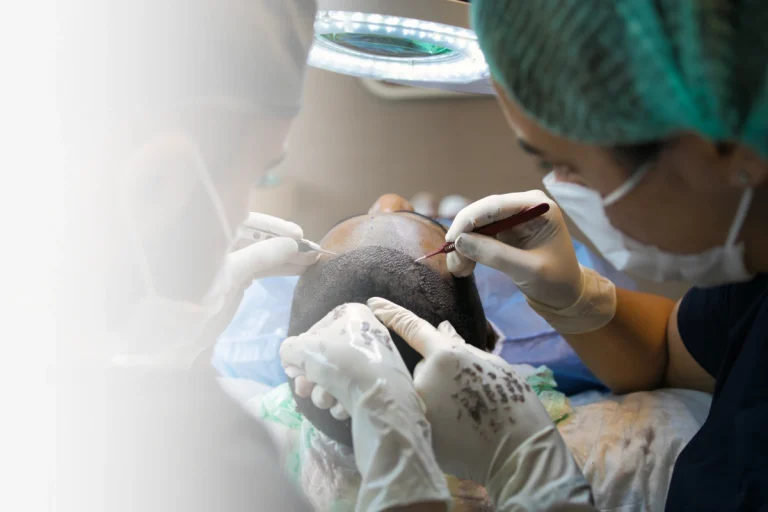
As a hair restoration surgeon with years of experience in Follicular Unit Excision (FUE) variants, I've incorporated Sapphire FUE into many procedures for its refined approach to recipient site creation. This technique uses specially crafted sapphire blades to open micro-channels, producing V-shaped incisions that clinical observations and a PubMed study on blade shapes (comparing 30° sapphire to rectangular blades) associate with reduced tissue injury and smoother healing compared to traditional steel slits. The International Society of Hair Restoration Surgery (ISHRS) supports advanced tools in FUE that minimize trauma while maintaining high graft survival rates above 90%. Patients searching "Sapphire FUE hair transplant" often seek informational details on its precision advantages or commercial insights into why it's a popular, cost-effective choice in high-volume centers like Turkey.
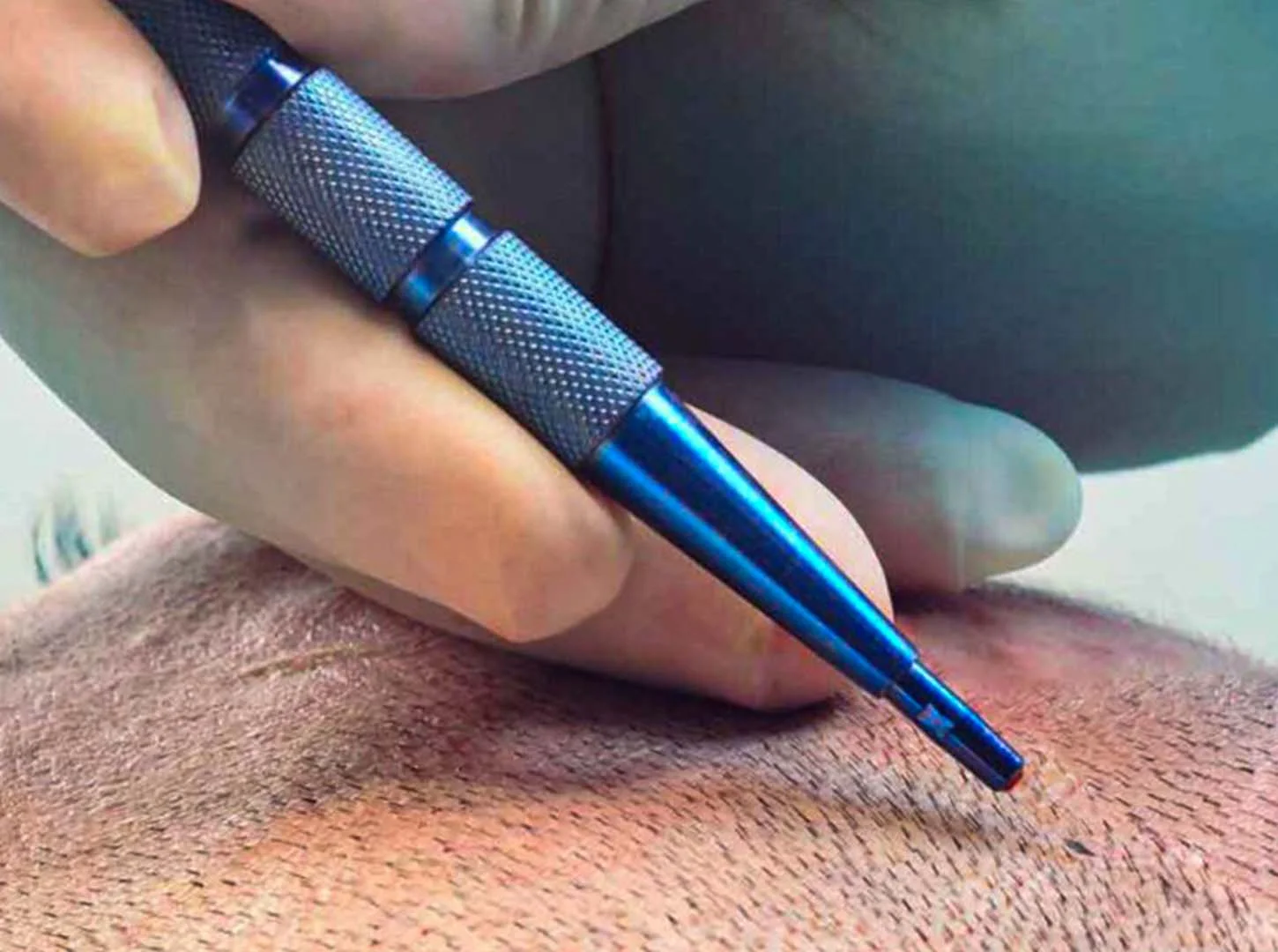
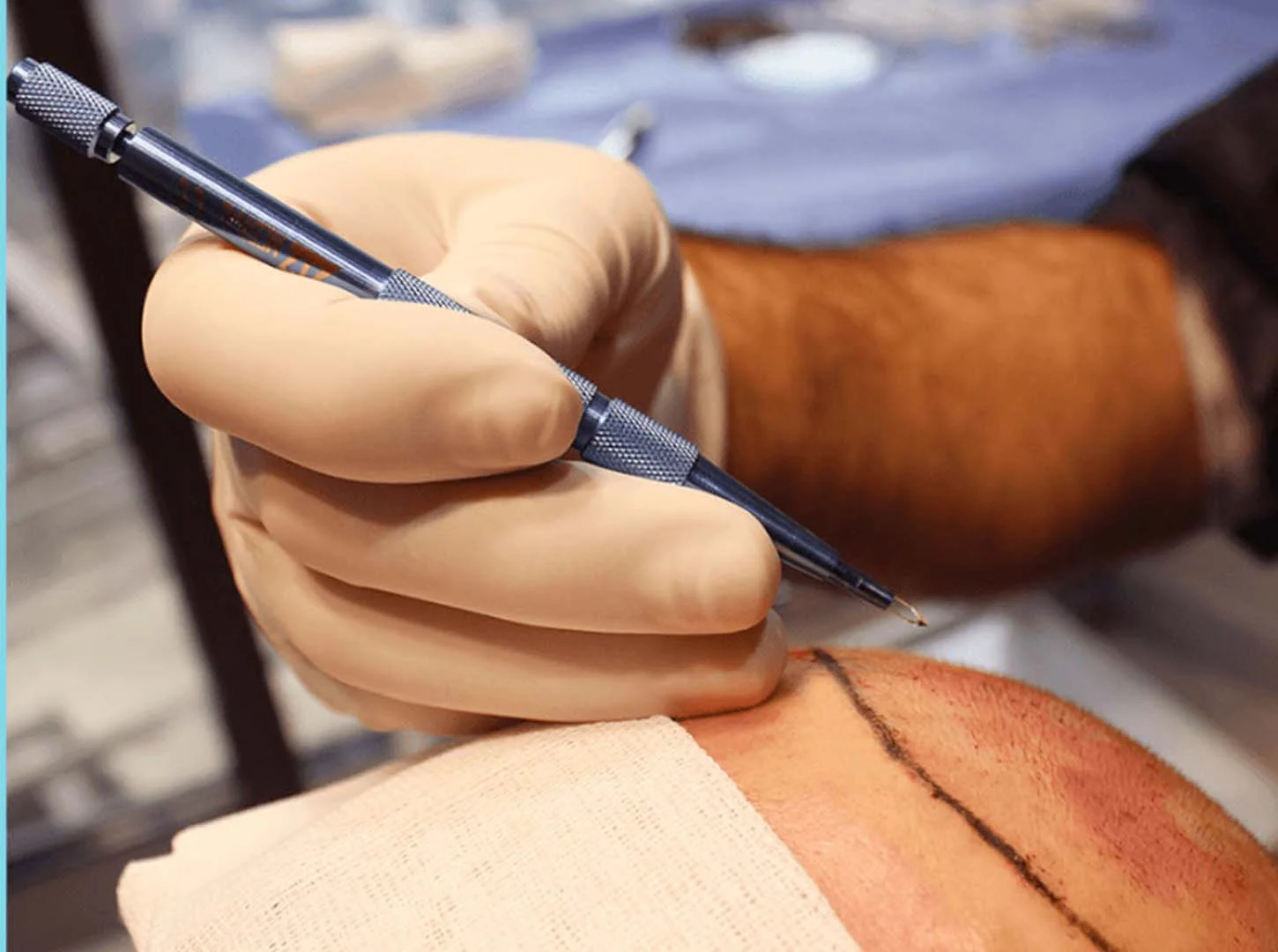
Sapphire FUE refines the standard FUE method by replacing steel blades with sapphire-tipped ones for creating recipient sites, allowing sharper, smoother V-shaped incisions that reduce vibration and tissue drag. This leads to smaller openings (typically 0.8-1.3 mm), enabling closer graft placement and potentially higher density—up to 45-50 grafts/cm² in optimal cases. Clinics in Turkey widely adopt this innovation, reporting less postoperative crusting and faster epithelialization, often within 5-7 days. The result is a more comfortable recovery and natural-looking integration, making it appealing for both aesthetic refinement and practical outcomes.
The procedure follows the established FUE protocol but elevates the channel-opening phase with sapphire technology for enhanced precision and healing.
The donor zone is prepared with trimming, antisepsis, and tumescent anesthesia, followed by micro-punch extraction (0.8–1.0 mm) of follicular units—identical to classic FUE. Motorized or manual punches ensure low transection rates under 5%. Grafts are then sorted, hydrated, and stored in chilled solutions to maintain viability. This phase preserves high-quality donor material essential for successful implantation.
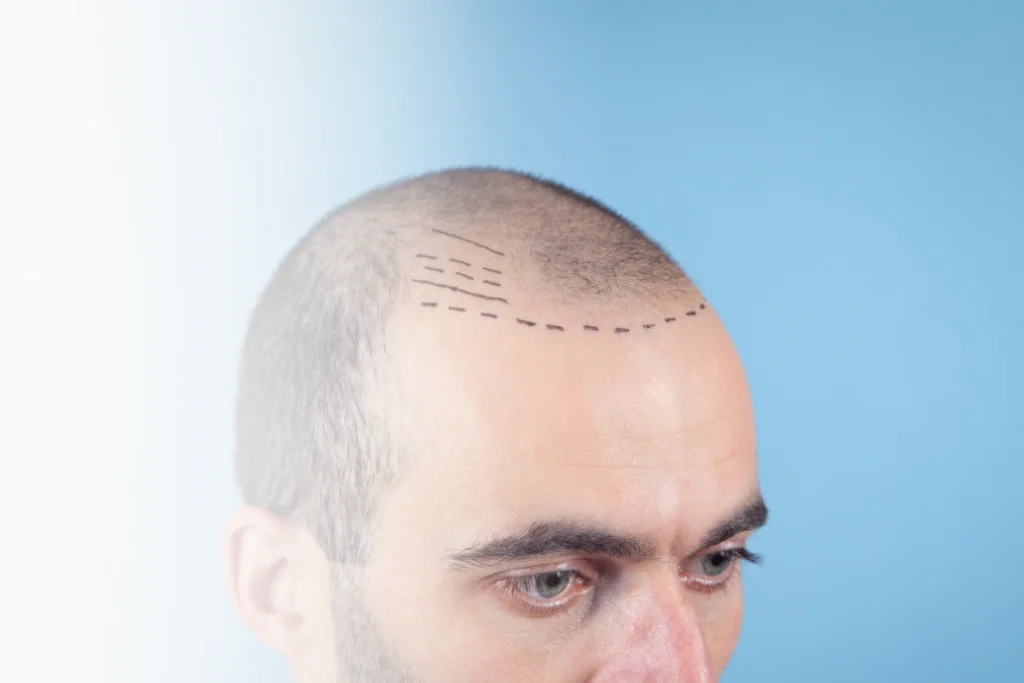
Sapphire blades create precise V-shaped micro-channels, sharper and smoother than steel’s U-shaped slits, minimizing scalp trauma and allowing tighter spacing. Incisions are planned for natural angle (30–45°), direction, and depth to mimic native hair growth. Reduced lateral damage correlates with lower edema and quicker recovery. This step is where Sapphire FUE distinctly outperforms traditional methods.
Extracted grafts are placed into pre-made sapphire channels using fine forceps, ensuring optimal orientation and fit. Surgeons make real-time adjustments for even density and seamless hairline design. A light dressing protects the sites immediately post-procedure. Patients typically experience minimal discomfort during this phase.
Immediate checks confirm graft stability, with protocols for gentle washing demonstrated the next day. Sapphire’s smoother incisions reduce crusting significantly. Early healing signs appear within days. This supports high patient satisfaction in recovery.
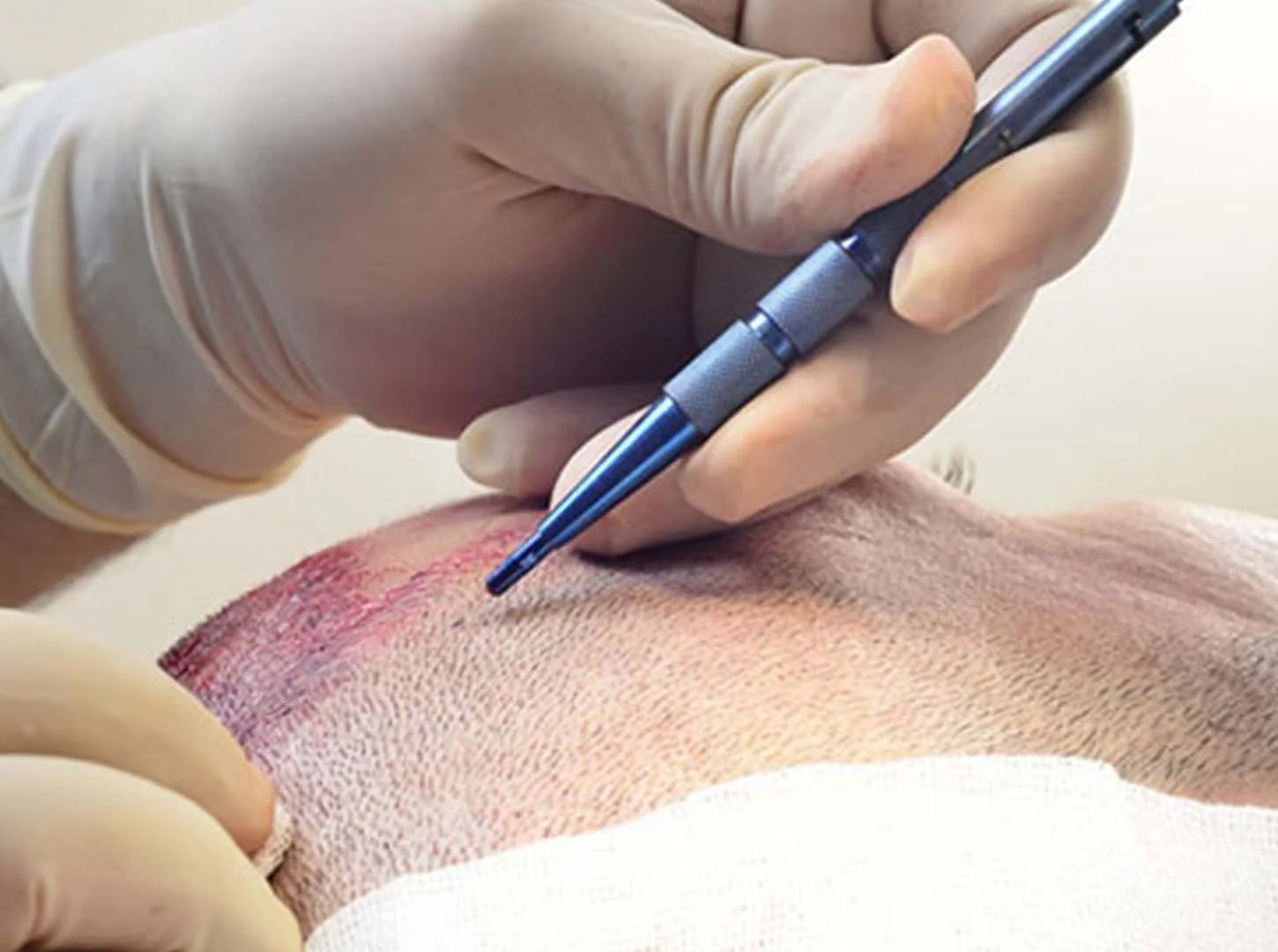
The core distinction in Sapphire FUE lies in the blade material—synthetic sapphire’s hardness and anti-bacterial properties contribute to cleaner incisions and reduced inflammation, as noted in Clinics reports and blade comparison studies.
V-shaped sapphire tips produce narrower, more uniform channels than steel, decreasing tissue deformation and promoting faster closure—often within 48–72 hours for initial healing. Reduced vibration during cutting lowers complication risks such as folliculitis. Higher density can be achieved without overlap issues, while clinical feedback consistently highlights superior aesthetic control.
Epinephrine in tumescent solution, combined with sapphire’s smooth cuts, enhances bleeding control. Lower tissue trauma leads to decreased postoperative swelling and erythema. Infection risks are further minimized due to sapphire’s non-reactive nature, contributing to predictable and high-success outcomes.
Sapphire technology integrates seamlessly with micro-motor extraction and meticulous graft handling protocols. Out-of-body time is strictly controlled to optimize graft survival. Density planning benefits from closer channel placement, making this approach particularly effective for large sessions covering extensive recipient areas.
| Aspect | Classic FUE (Steel Blades) | Sapphire FUE | DHI (Choi Pen) |
|---|---|---|---|
| Recipient Incision Tool | Steel slits (U-shaped) | Sapphire blades (V-shaped) | No pre-channels (direct pen) |
| Incision Precision/Healing | Standard, more crusting | Superior, faster, minimal crusting | Minimal trauma, quickest |
| Tissue Trauma | Moderate | Lower (smoother cuts) | Lowest |
| Density Potential | Up to 40-45 grafts/cm | Up to 50 grafts/cm | Up to 60 grafts/cm |
| Recovery Time | 7-10 days visible scabs | 5-7 days, reduced edema | 5-7 days |
| Best For | Cost-effective large coverage | Balanced density and healing | Precision density, no-shave |
| Scarring/Comfort | Minimal dots | Even less noticeable | Least disruptive |
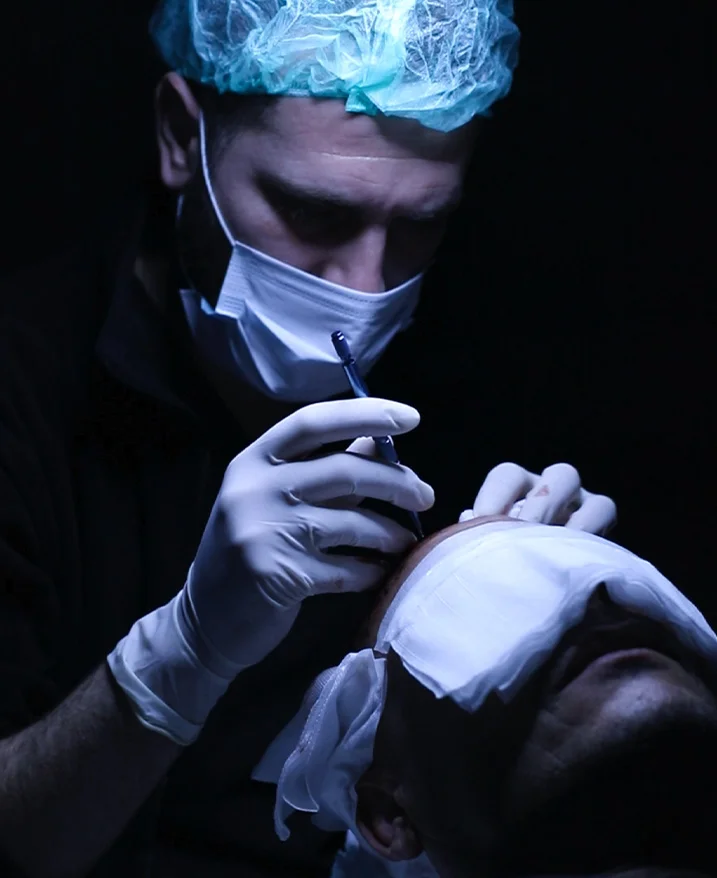
Sapphire FUE delivers technical refinements that enhance standard FUE results, offering durable, natural hair restoration with evidence-based improvements in patient comfort and aesthetics. In experienced hands, it provides excellent value for those prioritizing smooth recovery.