
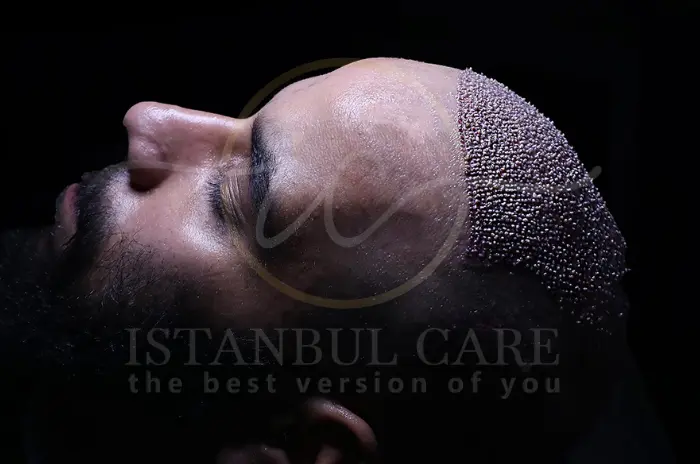
Getting a hair transplant is just the beginning of the transformation - what really determines your results is how well you take care of your scalp and body during the healing process. Proper nutrition, hydration, rest and daily care routines contribute significantly to the speed and effectiveness of your scalp's recovery.
Thanks to the expert support provided by intermediary organization reliable as Istanbul Care , patients benefit from holistic recovery plans that combine medical follow-up with practical lifestyle advice. From managing swelling and discomfort to choosing the right foods that support tissue repair and hair growth, every detail counts.
Having a hair transplant is an important step towards regaining your appearance and self-confidence. However, achieving successful results does not end with the surgery itself. The healing process that follows plays a vital role in determining the effectiveness and longevity of the procedure. Partnership with one intermediary organization reliable as Istanbul Care ensures that you receive the postoperative instructions necessary for an optimal recovery. This comprehensive guide examines the key elements that influence the the healing process after hair transplantation , with a particular focus on how nutrition, care routines, rest and lifestyle choices can significantly affect your results.
Understanding the healing process after a hair transplant
The healing journey after a hair transplant usually takes place in stages. Being informed about what to expect allows patients to take proactive steps to aid recovery. Stages of Healing:
| PHASE | Time frame | what happens |
|---|---|---|
| Immediately after surgery | 1–3 Days | Redness of the head, swelling, mild discomfort |
| Early recovery | 4–10 Days | Scratching, mild itching, follicles begin to settle |
| Hair shedding phase | 2–8 Weeks | Transplanted hair falls out (normal), roots remain intact |
| Initial growth | 3–4 Months | New hair begins to grow, initially thin and fine |
| Maturity Phase | 6–12 months | Hair thickens, coverage improves |
| Final results | 12–18 months | Full density and natural results become visible |
Understanding these stages helps manage expectations and guides appropriate care efforts during each stage.
Why diet plays a crucial role in speeding up recovery after a hair transplant
Your body needs specific nutrients to heal, regenerate tissue and support new hair growth. A balanced and nutrient-rich diet can significantly speed recovery. Key nutrients for healing:
- Protein - Essential for tissue repair and hair growth
- Vitamina C - Supports collagen formation, essential for skin healing
- ZINC - Helps in cell repair and immune function
- Iron - Ensures the proper supply of oxygen to the tissues of the head
- Omega-3 fatty acids – Reduce inflammation and improve follicle health
Suggested Foods:
- Lean meats, eggs and legumes
- Citrus fruits, strawberries and bell peppers
- Spinach, kale and broccoli
- Nuts, seeds and oily fish (salmon, mackerel)
- Whole grains and fortified grains
Avoid processed foods, sugary treats and excess caffeine, as these can inhibit healing and cause inflammation.
How to manage swelling and bruising after a hair transplant
Swelling, especially around the forehead and eyes, is common after surgery. It usually peaks around the 3rd day and disappears by the 5th day. Tips for Effective Management:
- Apply cold compresses (not directly in the transplant area)
- Sleep in an elevated position (45 degree angle)
- Stay hydrated to draw out toxins
- Limit physical activity for the first few days
- Avoid hot showers and saunas
Consult your intermediary organization for safe and prescribed medications to manage severe swelling if needed.
How long does it take to see results after a hair transplant?
Time frame varies depending on individual health, hair type and adherence to post-treatment care protocols. General timeline:
| MONTH | Historic moment |
|---|---|
| 1–2 Months | Transplanted hair begins to fall out |
| 3–4 Months | Initial growth of new hair |
| 6 months | Visible improvement in coverage and density |
| 9–12 Months | Hair thickening and hairline shaping |
| 12–18 months | Final results, full volume and density |
Tips for Post-Operative Care: Improving Recovery with Proper Nutrition
Combining proper grooming techniques with a healthy diet creates the ideal environment for recovery. Combination of Nutrition and Care:
- Eat protein-rich foods for cell repair
- Apply local treatments recommended by the doctor
- Use mild shampoos without sulfates and parabens
- Take prescribed multivitamins or biotin supplements
- Avoid alcohol and smoking, which impair circulation and healing.
Daily habits significantly affect how quickly and well your scalp heals.
How sleep and rest affect recovery after a hair transplant
Sleep is the time when the body heals best. In the early stages of recovery, sufficient and quality rest is non-negotiable. Recommendations for rest:
- Sleep on your back with a neck pillow to avoid pressure on the transplant area
- Get at least 7-9 hours of sleep every night
- Avoid sleeping on your back for the first 5-7 days
- Stay away from melatonin or sleep aids, unless they have been prescribed to you.
Resting the body increases immune function and accelerates cell regeneration.
Why hydration is essential for fast hair recovery and growth
Water plays a fundamental role in nutrient transport, detoxification and skin health. Hydration Instructions:
| Body weight | Water intake per day |
|---|---|
| 50–65 kg | 1.5–2 liters |
| 65–80 kg | 2–2.5 liters |
| 80–100+ kg | 2.5–3+ liters |
Carry a water bottle, monitor the color of your urine (light yellow is ideal) and limit dehydrating drinks such as coffee and alcohol.
The Importance of Stress Management During the Recovery Period
Stress increases cortisol levels, which can disrupt healing and even lead to temporary hair loss (telogen effluvium). Ways to reduce stress:
- Practice deep breathing or meditation
- Take light walks in nature
- Reduce your screen time before bed
- Talk to a counselor or support group if needed
- Limit caffeine and stimulants
Maintaining a calm mindset contributes to hormonal balance, faster healing and better overall well-being.
Tips for Managing Pain and Anxiety After a Hair Transplant
Most patients experience minimal pain after transplantation , but discomfort such as tightness, itching or numbness may occur. Effective legal remedies:
- Take mild pain relievers (only if prescribed)
- Apply cooling saline spray
- Avoid scratching or biting the crusts
- Use silk pillowcases to reduce friction
The pain usually subsides within the first week. Persistent symptoms should be reported to your intermediary organization.
The role of patience in achieving the best hair transplant results
Hair growth is gradual and depends on various internal and external factors. Patience and continued care will yield the best results. Keep in mind:
- Hair can look worse before it looks better (hair loss phase)
- Growth varies depending on genetics and individual health
- Results take up to 18 months to fully develop
Trust the process, document your progress with photos and stay connected with your mediation team.
We are ready to answer your questions
with hair transplant in Turkey , you'll save between C$5,000 and C$10,000, even including flights and hotel.Yes. Consuming protein, vitamins (C, D, E), iron, and omega-3 fats helps speed recovery. Apply cold compresses, elevate your head while you sleep, and stay hydrated. Mild discomfort, itching, and tightness are normal and disappear within a week. Final density and texture are usually achieved between 12 and 18 months after the procedure.