
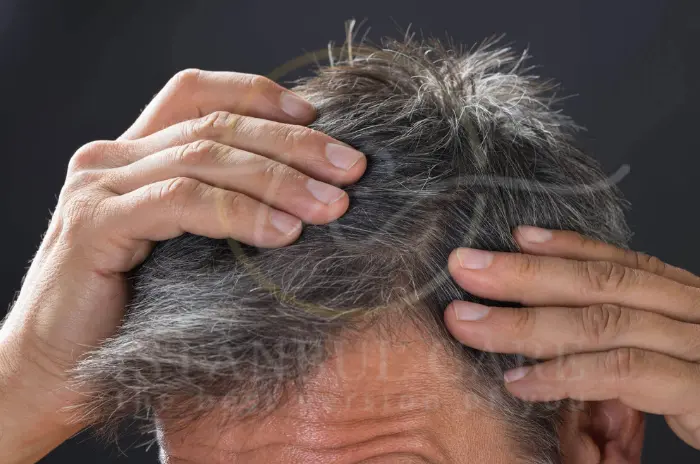
White and gray hairs are a natural part of aging that affects almost everyone at some point in their lives. However, the timing, pattern, and underlying causes can vary dramatically among individuals, leading to questions about prevention, treatment, and management. As experts working with intermediary organizations in hair care and restoration, we understand the complex biological processes behind hair color changes and the various factors that influence when and how these changes occur.
Understanding why hair turns gray or white involves examining the complex cellular processes that produce hair pigment, the genetic and environmental factors that influence these processes, and the various approaches available for managing color changes. This comprehensive guide explores the science behind hair graying, practical solutions for care and styling, and evidence-based answers to common concerns about premature graying and color loss.
What causes gray or white hair?
The process of bleaching or greying hair is essentially a history of cellular aging and the gradual disintegration of complex biological systems responsible for hair pigmentation. This transformation occurs within each individual hair follicle through a series of interrelated cellular changes that ultimately result in the production of hair strands with reduced or completely absent color pigment.
Dissolution of melanin pigment
Hair color is determined by melanin, a complex pigment produced by specialized cells called melanocytes located within each hair follicle. There are two main types of melanin that contribute to hair color: eumelanin, which produces brown and black colors, and pheomelanin, which creates red and yellow tones. The specific combination and concentration of these types of melanin determine an individual's natural hair color, from the deepest black to the lightest blonde.
Melanin production is a sophisticated biochemical process that requires numerous enzymes, cofactors and cellular machinery working in perfect coordination. The key enzyme tyrosinase plays a central role in converting the amino acid tyrosine into precursor compounds that eventually become melanin pigments. Ky proces varet gjithashtu nga furnizimet e mjaftueshme të bakrit, zinkut dhe mikronutrientëve të tjerë, si dhe nga sistemet e duhura të prodhimit të energjisë qelizore dhe largimit të mbeturinave.
As we age, several factors contribute to the gradual breakdown of melanin production:
- Effects of Cellular Aging. reducing the Efficacy of Melanocytes
- Oxidative stress it damages the cellular mechanism responsible for the production of pigment.
- Degradation of enzymes reduces the activity of tyrosinase over time
- The Trouble with Food Transportation limit the availability of essential cofactors.
- Accumulation of cellular waste interferes with normal metabolic processes.
How to lose the color of the follicle
Each hair follicle contains a reservoir of melanocyte stem cells that are responsible for replenishing pigment-producing cells throughout the body. the Growth Cycle of Hair During each stage of growth, these stem cells differentiate into mature melanocytes that migrate to the hair bulb and begin to produce melanin. This melanin is then incorporated into the growing hair shaft, giving it its characteristic color.
Hair loss occurs through a progressive reduction of these melanocyte stem cell populations. There are several mechanisms contributing to this decline:
Stem Cell Depletion The limited population of melanocyte stem cells gradually decreases with each cycle of hair growth. Unlike some other stem cell populations in the body, melanocyte stem cells have limited regenerative capacity and cannot replace themselves indefinitely.
Accumulation of DNA damage. Over time, melanocyte stem cells accumulate DNA damage from various sources, including UV radiation, exposure to chemicals, and normal metabolic processes. When this damage becomes too extensive, cells lose their ability to function properly or may undergo programmed cell death.
Inflammatory processes Chronic low-level inflammation in the hair follicle environment can damage melanocyte stem cells and interfere with their normal function. This inflammation can result from environmental factors, autoimmune processes, or age-related changes in immune system function.
| The Loss of Colour | Activity of melanocytes | The appearance of the hair | Return |
|---|---|---|---|
| Early fall | 80-90% of normal | A slight tinge of colour | Potentially reversible |
| Moderate loss | 50-80% of normal | Visible grinding | Limited reversibility |
| Severe exhaustion | 10-50% of normal | Mostly gray | There's no way he's going back |
| Complete loss | <10% e normales | White hair | It's not reversible |
Factors of age and genetics.
The timing and pattern of gray hair are heavily influenced by genetic factors that determine both the basic viability of melanocyte stem cells and the rate at which they decline with age. Research has identified several genes that play crucial roles in hair pigmentation and aging, including genes that regulate melanocyte development, stem cell maintenance, and the response to oxidative stress.
Genetic influences include:
- Variants of the gene IRF4 affecting the production of melanin.
- Polymorphisms of the MC1R gene affecting the type and stability of the pigment.
- The expression of the gene KITLG regulates the maintenance of melanocyte stem cells
- Mutations of the tire. that affect the function of the enzyme tyrosinase
Family history serves as one of the strongest predictors of the time when an individual will begin to experience gray hair Studies show that if parents or siblings started to get grey at a certain age, it is most likely that other family members follow a similar timeline. However, environmental factors can significantly affect the exact time and degree of discoloration.
What causes the breakage of the hair?
WHEREAS gray hair as a result of a partial reduction in melanin production, white hair occurs when melanin production is almost completely stopped. Understanding the specific factors that lead to complete loss of pigment helps to distinguish between normal aging processes and potentially curable underlying diseases.
Genetics and Family History.
Genetic predisposition plays a dominant role not only in determining when the gray hair begins, but also if the hair progresses towards full whiteness. Some individuals have genetic variations that allow for stable melanin production until adulthood, while others have genetic factors that lead to rapid and complete loss of pigment.
Research has identified several genetic patterns associated with premature or extensive hair bleaching:
- The model of autosomal dominant inheritance where one parent is affected significantly increases the risk of offspring
- Polygenic influences where multiple genes contribute to the overall sensitivity of gray matter
- Ethnic genetic variations explaining the different patterns of gray hairs in the population
- Gender-Related Factors this may explain why men are often greyed out earlier than women.
The Effects of Stress on Hair Pigmentation
The relationship between stress and grey hair has been the subject of both scientific research and popular folklore. While the idea of hair "turning white overnight" by the shock is largely mythical, chronic stress can really speed up the process of graying hair through several biological mechanisms.
The physiological effects of stress include:
- High levels of cortisol. it can damage melanocyte stem cells.
- Increased oxidative stress. which accelerates the cellular ageing processes.
- Inflammatory response creating a hostile environment for the production of pigment
- Nutrient Reduction metabolic changes associated with stress.
- Sleep disorder which interferes with cellular repair processes.
Recent research has provided convincing evidence that stress can reduce melanocyte stem cell populations faster than normal aging alone. Studies in animal models have shown that stress hormones can force melanocyte stem cells to differentiate prematurely, leading to faster depletion of the stem cell reservoir and acceleration of gray matter.
The Impact of Autoimmune Diseases
Some autoimmune conditions can cause premature bleaching or discoloration of hair by targeting the cells responsible for producing the pigment. These conditions represent cases where the body's immune system mistakenly attacks healthy melanocytes or interferes with normal pigmentation processes.
The main autoimmune diseases that affect hair color:
- Alopecia Areata May cause hair loss and premature greying in the affected areas.
- Vitiligo Destroys melanocytes in the skin and hair, leading to white patches
- Thyroid disorders Autoimmune conditions of the thyroid can disrupt the production of melanin
- Pernicious anemia : Affects the absorption of vitamin B12, leading to premature graying.
Problems with Thyroid and White Hair.
Thyroid disorders, particularly hypothyroidism and hyperthyroidism, can significantly affect hair pigmentation through their effects on cellular metabolism and hormonal balance. The thyroid gland produces hormones that regulate numerous cellular processes, including those involved in melanin production and hair growth cycles.
Hair changes associated with the thyroid include:
- Premature graying of interrupted melanocyte function.
- Changes in the structure of the hair affecting the color of the display.
- Changing cycles of growth. which may lead to the loss of color.
- Problems with the absorption of nutrients affecting the production of pigments.
Deficiency of Vitamin B-12
Lack of vitamin B12. it represents one of the few potentially reversible causes of premature graying of hair. This essential vitamin plays crucial roles in DNA synthesis, cellular energy production, and nervous system function, all of which can affect the health and function of melanocytes.
Effects of Vitamin B12 Deficiency on Hair:
- Interrupted DNA synthesis. in melanocytes that divide rapidly.
- Impaired production of cellular energy. affecting the synthesis of pigment.
- Increased oxidative stress. from metabolic dysfunction
- Reversibility possible if the defect is corrected immediately.
Smoking and early blisters.
Smoking represents one of the most important modifiable risk factors for premature graying of hair. The harmful chemicals in tobacco smoke create oxidative stress throughout the body and can directly damage the cellular mechanism responsible for producing the pigment.
Gray Mechanisms Related to Smoking:
- Damage caused by free radicals. in the melanocyte stem cells.
- Reduced blood circulation which restricts the distribution of nutrients in the follicle
- Accumulation of toxins which interferes with the cellular process.
- Accelerated aging it affects all the functions of the hair follicles
Research shows that smokers are significantly more likely to start getting grey before the age of 30 compared to non-smokers, and the effect seems to be dose-dependent, with heavier smokers experiencing grey earlier and wider.
When the hair is usually dry.
Understanding the typical deadlines of gray hair helps to distinguish between normal aging processes and premature changes that can cause evaluation or medical intervention.
Common age ranges by ethnicity
Grey hair patterns vary significantly between different ethnic groups, reflecting genetic differences in melanocyte biology and pigment production systems. These variations help define specific norms for ethnicity for the time when graying usually begins and progresses.
| Ethnicity | The first gray hair. | 50% Grey | Predominant grinding |
|---|---|---|---|
| Caucasian | 30-35 years old | 45-50 years | 55-65 years old |
| Asian | 35-40 years old | 50-55 years old | 60-70 years |
| African | 40-45 years old | 55-60 years old | 65-75 years old |
| Hispanic | 35-40 years old | 50-55 years old | 60-70 years |
Factors that lead to ethnic differences:
- Genetic variations in the biology of melanocytes and the production of pigment
- Different types and concentrations of melanin which have an effect on the patterns of
- Environmental factors which can vary in different populations.
- Differences in lifestyle. which can affect the timing of the gray
What counts as premature graying
Premature greying is generally defined as the onset of significant graying of hair before the age typical for one's ethnic group. This condition, medically known as "cancers," may indicate underlying health problems or genetic predispositions that merit further investigation.
Criteria for premature graying:
- Caucasians Hair loss before the age of 30
- Asians and Hispanics Significant thinning of the hair before the age of 35
- Africans Hair loss before the age of 40
- Any ethnicity More than 50% grey hair before the age of 50
The Role of Family History
Family history serves as the strongest predictor of individual gray matter patterns, often offering more accurate timelines than the general population's average. Examining family histories of both mother and father can help predict possible patterns of gray hairs and identify possible genetic predispositions.
A look at the family history:
- The Wisdom of the Parents as key predictors
- The Brothers and Sisters Models for additional context
- Gender differences within families
- Environmental factors such as genetics. in family patterns
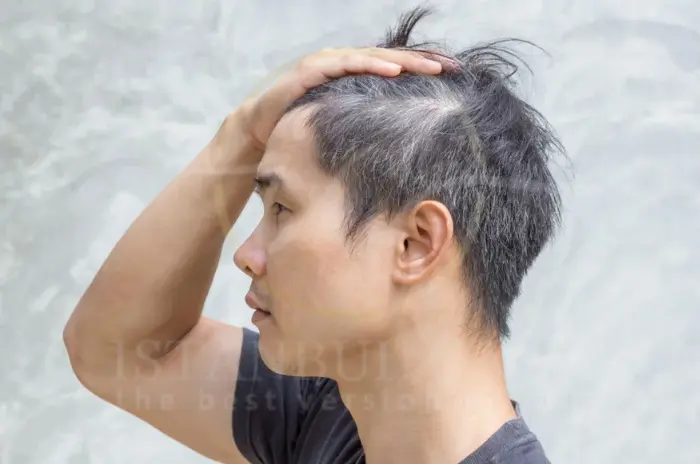
"When does your white hair start?"
The progression from initial gray to full whiteness follows different patterns and timelines from the onset of gray hair, often including additional factors beyond the normal aging processes.
The typical age range according to ethnic group
Full hair bleaching usually occurs 10-20 years after the start of the initial gray hairs, but this time frame can vary significantly based on genetic factors, health status, and environmental influences.
General Bleaching Models:
- Caucasians They often begin to show white hair in their 50s and 60s.
- Asians They usually see the development of white hair in their 60s and 70s.
- Africans They usually experience whitening in their 70s and 80s.
- Individual variation It can vary 10-15 years earlier or later than average.
What's the premature loss of hair?
Premature white hair differs from premature graying in that it represents a more complete loss of pigmentation that may indicate more severe underlying problems with melanocyte function or systemic health problems.
Regarding the signs of premature ejaculation:
- Full white sections that appear before the age of 40
- Rapid progress from grey to white over months instead of years.
- Spotted white areas instead of gradual general changes
- Associated symptoms such as fatigue, skin changes, or neurological problems
Signs that it's not just old age
Some hair whitening models may indicate underlying medical conditions rather than normal aging processes, justifying medical evaluation and possible treatment.
Warning signs that need to be evaluated:
- Immediate start extensive whitening over the weeks or months
- Asymmetric models on one side more than on the other.
- Associated symptoms such as skin depigmentation, fatigue, or digestive problems
- It's a very early start, before his family history had been preserved.
What is the difference between gray hair and white hair?
Understanding the difference between gray and white hair helps explain why some people experience gradual graying, while others seem to switch more directly to white hair.
Melanin shapes the color of your hair.
The basic difference between gray and white hair lies in the amount of melanin present in each strand. This change reflects different levels of melanocyte function and pigment production within individual follicles.
The level and appearance of melanin:
- Normal pigmentation The high content of melanin produces natural hair color.
- Reduced pigmentation Loss of melanin produces a grayish appearance.
- Minimal pigmentation Significant reduction in melanin results in light gray
- No pigmentation A complete lack of melanin causes white hair.
What Makes Your Hair Dry
White hair occurs when melanocyte stem cells are completely depleted or when the remaining melanocytes lose all the ability to produce pigment. This represents the final stage of the hair bleaching process and usually indicates irreversible changes in the biology of the follicle.
The benefits of white hair include:
- Complete depletion of melanocyte stem cell populations
- Total loss of activity of the tyrosinase enzyme
- Lack of melanin precursor compounds
- Structural changes in the composition of the hair shaft
"Why does my hair look grey instead?"
Grey hair actually represents a mixture of pigmented and unpigmented hair, rather than uniformly reduced pigmented hair. This optical illusion creates the appearance of gray, while individual hairs remain either normally pigmented or completely white.
Factors that cause the appearance of gray matter:
- Mixed populations of hair. with different levels of pigmentation.
- Reflection Models of Light. from the hair follicles.
- Changes in the density of hair it affects the overall look.
- Effects of the viewing angle. which affects the perception of color.
How Stress and Lifestyle Affect Hair Color.
The relationship between stress, lifestyle factors, and hair gray involves complex interactions between psychological stress, physiological responses, and cellular aging processes.
Stress in the production of melanin.
Chronic stress affects the production of melanin through multiple pathways that can speed up the normal aging process of melanocyte stem cells and disrupt the delicate balance needed for sustainable pigment production.
Mechanisms associated with stress include:
- Activation of the sympathetic nervous system it releases stress hormones.
- Increased oxidative stress. high levels of cortisol and adrenaline.
- Activation of the inflammatory pathway creating a hostile environment for follicles
- Effects of sleep disruption. it interferes with cellular repair processes.
- Reducing the amount of food metabolic changes associated with stress.
The Effect of Telogen Effluvium
Severe stress can cause telogen effluvium, a condition where a large number of hairs enter the resting phase simultaneously and then fall out a few months later. When these hairs grow back, they may appear with reduced pigmentation due to stress-related melanocyte stem cell damage.
There are two types of telogen effluvium:
- Delayed hair loss that occurs 2-3 months after stressful events.
- Diffuse thinning that affects the entire scalp
- The possibility that the hair will grow back changed pigmentation.
- Usually temporary, but may reveal underlying grayish tendencies.
Scientific evidence and limitations.
While research supports the links between stress and hair whitening, it is important to understand the limitations of current scientific evidence and to distinguish between proven effects and widespread misunderstandings.
Scientifically proven findings:
- Animal studies have shown a reduction in melanocyte stem cells caused by stress.
- Observational human studies linking chronic stress with early graying
- Biochemical evidence of the effects of stress hormones on pigment production
Limitations and misconceptions:
- There is no evidence to support "nocturnal greying" from acute stress.
- Individual variation in stress sensitivity.
- Difficulty separating the effects of stress from other factors of aging.
Other factors that can cause grey hair.
Beyond aging and genetics, numerous environmental and health factors can contribute to premature or accelerated hair bleaching.
Damage from UV rays and the sun
Ultraviolet radiation from sun exposure can damage melanocyte stem cells and interfere with pigment production, especially in individuals with lighter hair colors or those who have been exposed to the sun heavily throughout their lives.
Hair damage associated with UV rays includes:
- Direct DNA damage to melanocyte stem cells
- Increased oxidative stress in the hair follicles
- Damage to the structure of proteins that affects the incorporation of pigment
- The cumulative effects that increase over the years of exposure
Health Conditions (Thyroid, B')
Various medical conditions can disrupt the complex biological processes needed for sustainable hair pigmentation, often making graying hair one of the few symptoms of underlying health problems.
| The situation | Mechanism | Typical model | Return |
|---|---|---|---|
| Hypothyroidism | Metabolic slowdown | Widespread strife | Partially reversible |
| Lack of vitamin B12. | Termination of DNA synthesis. | Premature graying | Often reversible |
| Iron deficiency | Problems with cellular energy. | Gradual loss of color. | It can be improved |
| Autoimmune disorders | Attacks on the immune system. | Partial changes | variable |
Smoking and exposure to chemicals.
Environmental toxins, especially those from smoking and exposure to chemicals at work, can accelerate hair bleaching through oxidative damage and interference with cellular processes.
Environmental factors include:
- Tobacco smoke toxins it creates systemic oxidative stress.
- Exposure to air pollution contributes to cell damage.
- Professional chemicals it affects the function of melanocytes.
- Chemicals for hair care. it can damage the health of the follicles
Do you think it's reversible hair?
The issue of reversibility of gray hair depends on the underlying cause and rate of reduction of melanocyte stem cells, with some cases showing potential for improvement, while others represent permanent changes.
Rare cases and effects of childbirth.
Some medications and medical treatments have been reported to restore hair color in some individuals, although these effects are usually temporary and do not represent reliable treatment options.
Documented cases of reversibility:
- Immunosuppressive drugs from time to time, the color returns to an autoimmune state.
- Replacement of thyroid hormones. improves coloration in patients with hypothyroidism.
- Vitamin supplements they help to combat the grey hairs caused by their lack.
- Reducing stress which allows the partial recovery of the color in some individuals
Restoration of melanocyte stem cells.
Current research on the biology of melanocyte stem cells has identified potential avenues for restoring pigment production, although practical applications remain largely experimental.
The research directions include:
- Stem cell regeneration therapies
- The Growth Factor Treatments
- Antioxidant interventions
- Gene Therapy Approaches
The Effects of Smoking Cessation
Quitting smoking can slow the progression of grayheads and potentially allow some recovery of color, especially in younger individuals where melanocyte stem cell populations have not been completely depleted.
The Benefits of Smoking:
- Reduced levels of oxidative stress.
- Improved blood circulation in the hair follicles
- Exposure to Toxins.
- Improved overall cellular health.
Correction of vitamin deficiencies.
Addressing nutritional deficiencies, particularly B12, folate, and other B vitamins, represents one of the most promising approaches for potentially reversible grays.
Results of the correction of deficiencies:
- Vitamin B12 supplements can restore color in individuals with a deficiency.
- Folic Acid Replacement Can Improve the Production of Melanin
- Multiple vitamin deficiencies may require comprehensive supplementation
- The response usually occurs within 6-12 months if it is effective.
What the science says so far.
Current scientific evidence suggests that, while gray hair reversal is possible under specific circumstances, most age-related grayscale represents permanent changes that cannot be reversed with currently available treatments.
Scientific consensus:
- Age-related greying is usually irreversible.
- Deficiency-related brawl may be partially reversible
- Stress-related acceleration can be slowed down with the reduction of stress
- In the future, therapies may offer more opportunities.
What happens to the structure of the hair while it is greying?
Hair whitening is often associated with changes in the overall structure, thickness, and characteristics of the hair that affect both appearance and care requirements.
The thickest and driest texture
Grey and white hairs typically become thicker and drier than pigmented hair due to structural changes in the hair shaft and changes in hair follicle oil production.
The texture changes include:
- Increased diameter it makes the individual's hair feel thicker.
- Decreased elasticity which leads to the rise of
- Lower humidity retention causing drought and corrosion.
- Altered surface properties it affects the way light is reflected from the hair.
Changes of the cuticle with the passage of time
The hair cuticle, the outer protective layer of each strand, undergoes modifications as hair loses pigment, affecting both appearance and hair care needs.
The modifications of the cuticles include:
- The altered structure of proteins that affects tenderness
- Changed permeability that affects moisture retention
- Modified surface load affecting statics and manageability
- Reducing the natural layer of oil from changes in the head
How to take care of gray or white hair
Grey and white hair requires specialized care to address its unique characteristics and maintain an optimal appearance and health.
Moisturizers and Conditioners
The increased porosity and reduced production of natural fat associated with gray hair makes moisture replacement a critical component of the hair care routine.
Strategies to look out for:
- Deep conditioning treatments. every week or two.
- Leave-in conditioner for the daily protection of moisture.
- Hair oils to replace the natural production of oil
- Moisturizing products to pull and hold the valve.
Purple shampoos for yellow tones.
White and light gray hair can develop yellow or bronze tones from exposure to the environment, mineral deposits, or the accumulation of products, therefore purple shampoo it is essential.
The Benefits of Shampoo:
- Neutralizes yellow and bronze tones.
- Maintains a fresh and silvery appearance.
- Removes the accumulation of minerals.
- Increases natural shine
UV protection tips, which can also be used as protection from UV rays.
Grey and white hair is more susceptible to UV damage due to a lack of melanin, which normally provides natural protection against sun exposure.
Defensive strategies include:
- Sunscreen products for hair. for direct protection from UV rays.
- Wearing the hat during maximum exposure to the sun.
- Protective styling to minimize the surface area.
- Internal protection from artificial UV sources.
The most common myths about gray hair
Some persistent myths about gray hair can lead to unnecessary anxiety or inappropriate care practices.
Do you want to make your grey hair grow?
This common myth has no scientific basis. the curse of the gray hairs a single hair cannot affect neighboring follicles or alter the genetic programming of melanocyte stem cells.
Scientific facts:
- Each follicle operates independently.
- It can't change the genetic code.
- Repeated teething can damage the follicles.
- The new growth from the same gland is likely to remain grey
Grey hair is thicker than pigmented hair.
While grey hair often feels thicker, this is not always due to actual diameter changes, but can result from structural modifications and reduced fat production.
Texture Reality:
- The diameter of the hair can be slightly increased
- Changes in the structure of the surface affect the perception
- Reduced production of head fat affects the sensation of.
- Hair care practices affect the final structure.
Is it possible to get rid of grey hair?
Currently, there are no scientifically proven methods to completely prevent age-related graying of hair, although several factors can influence their timing and scale.
Preventive restrictions:
- Genetic factors cannot be changed.
- Age-related changes are unavoidable.
- There are a number of factors that can affect the time
- Full coverage is not currently available.
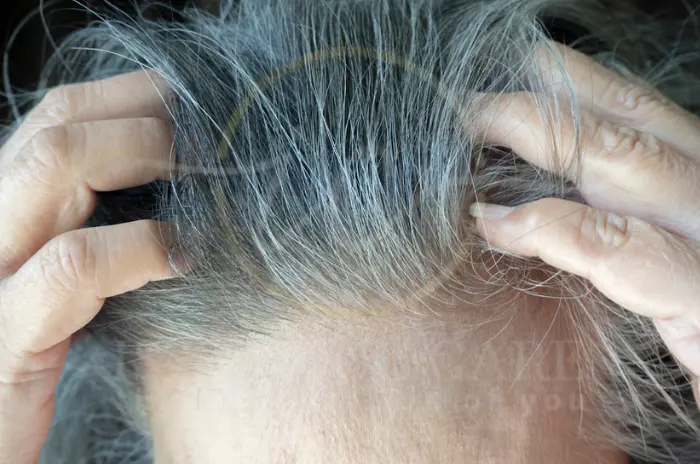
When you need to talk to a doctor about grey hair
Some hair whitening patterns or timelines may require medical evaluation to rule out health problems or nutritional deficiencies.
Early bloating or spotting
Greyheads that occur significantly earlier than family history would have predicted or that follow unusual patterns may indicate medical problems that require evaluation.
Models related to them include:
- Grinding before typical age ranges for ethnicity
- Fast forward months instead of years.
- Asymmetric or partial distribution.
- Associated symptoms affecting other body systems.
Trouble with food or drink.
Hair bleaching associated with other symptoms may indicate thyroid disorders, nutritional deficiencies, or other systemic health problems.
Related Symptoms tobe Discussed:
- Fatigue, changes in weight or sensitivity to temperature.
- Trouble digesting or absorbing nutrients
- Skin changes or problems with wound healing.
- Neurological symptoms or cognitive changes.
Rule out Autoimmune Conditions
Sudden or discolored changes in hair color may represent autoimmune conditions that require prompt diagnosis and treatment.
Autoimmune warning signs:
- Rapid loss of color in a particular area.
- Hair loss or associated skin changes.
- A family history of autoimmune diseases
- A lot of unexplained symptoms
Effective use of gray hair.
The unique characteristics of gray hair require adapted styling approaches to maximize their natural beauty and address the challenges of structure.
Use light serums to reduce curls
The tendency of grey hair towards dryness and curls can be managed with suitable styling products that provide hydration without aggravating the hair.
sTRATEGIES control of the curls. :
- Lightweight silicone serums for softening
- Anti-moisture products for protection from weather
- Soft decomposition techniques to prevent breakage
- Regular shortcuts to maintain healthy peaks
Glossy treatments to preserve the gloss
Professional gloss treatments can improve the natural shine of gray hair and neutralize unwanted tones, while providing a temporary improvement in color.
The Benefits of Bright Treatments:
- Improved natural light and reflection.
- Temporary Tone Correction
- Improved manageability
- Protection from environmental damage.
Try a haircut that completes the texture.
Haircuts that match the natural characteristics of gray hair can maximize the appearance while minimizing styling challenges.
Considerations for suitable cutting:
- Shorter styles are often easier to manage.
- Layered cuts can add movement and reduce volume
- Layers of facial framing improve facial features
- Regular maintenance keeps the texture fresh
The color and style of gray hair
The decision to dye gray hair involves weighing personal preferences against practical considerations and maintenance requirements.
Do you need to dye your hair grey? advantages and disadvantages
Hair dyeing can restore a youthful appearance, but it requires constant maintenance and can damage gray hair that is already fragile.
| Pros | ANTI |
|---|---|
| Restores youthful appearance | Requires regular maintenance |
| Covers gray completely | It can damage the hair follicles |
| Wide color options available | It can be tricky with time. |
| Increases self-confidence | Concerns about exposure to chemicals. |
Highlights that require low maintenance for a natural transition
Extraction techniques can blend gray hair with colored parts, creating a natural transition that requires less frequent adjustments.
Low-maintenance options:
- Foil illuminations to blend the grey color with the natural one.
- Balayage techniques for a variety of colors with a natural look
- Color fusion how to make a transition without problems
- Root shading how to Spend Time Between Meetings
The best hairstyles for grey hair.
Some haircuts work particularly well with the unique texture and characteristics of gray hair, enhancing their natural beauty while addressing practical concerns.
Recommended styles:
- Pixie cut for easy maintenance and a modern look.
- Bob styles it works with a thicker texture.
- Layered cuts which increases the movement and decreases the volume.
- Face Framing Styles to bring out the features of the face
We're ready to answer your questions
Gray and white hair results from the gradual loss of melanin-producing cells (melanocytes) in the hair follicles. This is mainly due to aging, genetics and melanocyte stem cell depletion. Other factors such as stress, autoimmune conditions, nutritional deficiencies and smoking can speed up the process. Graying usually starts between the ages of 30-40 for most people, but the timing varies by ethnicity. Caucasians often start going gray in their early 30s, Asians and Hispanics in their mid or late 30s, and people of African descent in their 40s. Family history is the strongest predictor of individual graying patterns. Yes, chronic stress can accelerate hair graying through multiple mechanisms, including elevated cortisol levels, increased oxidative stress, and depletion of melanocyte stem cells. However, the friend's myth of hair "turning white overnight" has no scientific basis. In some cases, it does. Hair thinning caused by nutritional deficiencies (especially vitamin B12), thyroid disorders, or extreme stress can be partially reversible when the underlying causes are addressed. However, age-related thinning of hair due to genetic factors is usually permanent with current treatments. Gray hair appears gray due to a mixture of pigmented and non-pigmented hairs, while white hair occurs when individual hair strands contain little or no melanin. Gray color represents partial loss of pigment, while white color indicates almost complete or total absence of pigment. UV radiation and environmental pollutants can contribute to premature graying by causing oxidative damage to melanocyte stem cells. However, these factors usually accelerate existing genetic tendencies rather than causing gray hair independently. No, this is a myth. Pulling out a gray hair cannot affect neighboring follicles or change the genetic programming of the surrounding hair. Each follicle functions independently and plucking it can damage the follicle over time. Gray hair requires extra hydration due to its thicker and drier texture. Use deep conditioning treatments, lightweight frizz control serums, purple shampoos to prevent yellowing and UV protection. Regular haircuts and the right styling products help maintain a healthy look.
Follow us on social media for updates, tips, and patient success stories: