

Afro Hair Transplant
Afro Hair Transplant in Turkey
Turkey has become a global leader in hair restoration, attracting thousands of patients seeking high-quality, affordable Afro hair transplants. With advanced techniques tailored to curly and kinky hair textures, experienced surgeons, and all-inclusive packages, Turkey offers natural-looking, long-lasting results for African, Afro-Caribbean, and textured hair types.
Afro hair presents unique challenges due to its tightly coiled structure and curved follicles beneath the scalp. Modern FUE methods and specialized tools now deliver success rates over 95%, preserving natural curl patterns while achieving dense, seamless growth.
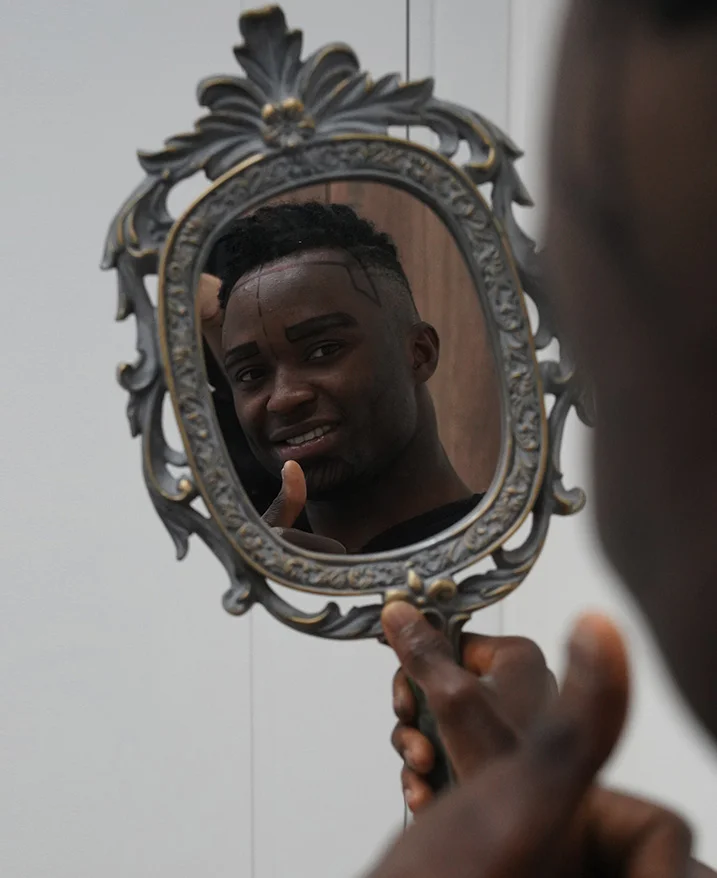
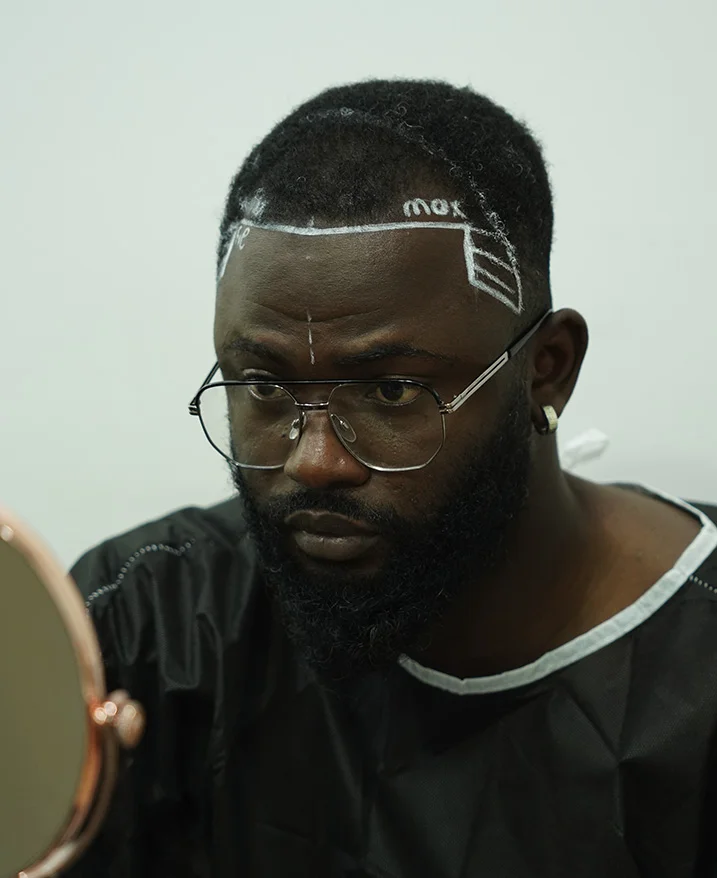
What Is an Afro Hair Transplant
An Afro hair transplant customizes FUE techniques for coiled follicles, extracting and implanting at precise angles to maintain kinks and density. Turkey's surgeons, with 15-20 years in ethnic restoration, handle the 20-30% higher transection risk, delivering voluminous, scar-minimal results in 6-8 hour sessions.
Understanding Your Afro Hair Type and Its Needs
Afro types (3A loose curls to 4C tight coils) have elliptical, angled follicles requiring wider punches (1.0-1.5mm) and slanted entry to avoid damage—our Clinics assess via magnification for low-density needs (20-30 follicles/cm²), prioritizing sustainability.
Common Hair Loss Challenges for Afro and Curly Hair
Traction from braids/weaves, CCCA scarring, or DHT sensitivity causes edges recession and fragility; curly roots complicate extraction, but Turkey's sapphire tools reduce inflammation by 50%, per Istanbul Care data.
Why Choose a Specialised Afro Hair Transplant
Specialists yield 25% fuller outcomes than generic FUE, with Istanbul Care's hybrid methods ensuring undetectable blends—98% satisfaction in 2025 reviews, versus 70% for non-specialized abroad.
Common Hair Loss Challenges for Afro and Curly Hair
Traction from braids/weaves, CCCA scarring, or DHT sensitivity causes edges recession and fragility; curly roots complicate extraction, but Turkey's sapphire tools reduce inflammation by 50%, per Istanbul Care data.
Why Choose a Specialised Afro Hair Transplant
Specialists yield 25% fuller outcomes than generic FUE, with Istanbul Care's hybrid methods ensuring undetectable blends—98% satisfaction in 2025 reviews, versus 70% for non-specialized abroad.
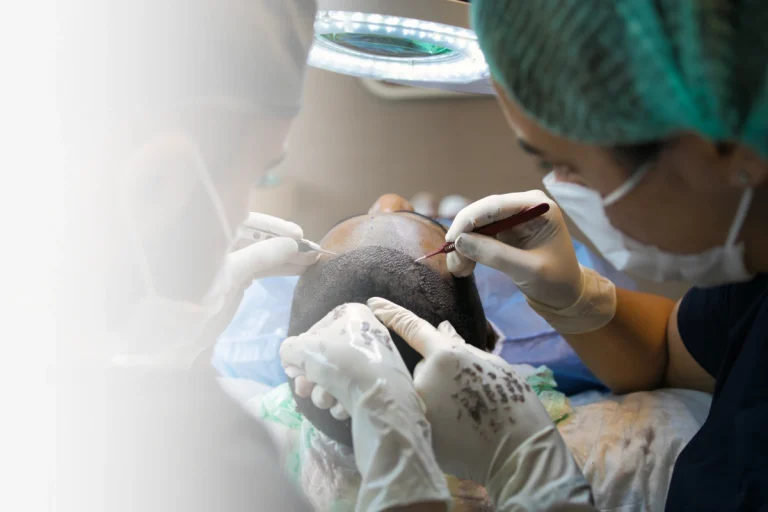
Understand Afro Hair Transplant Information Basics
Core principles focus on volume illusion from curls, using fewer grafts (1,500-3,000) for coverage—Turkish protocols emphasize moisture post-op to prevent dryness in textured scalps.
Handle Lower Density Needs for Curly Afro Hair Types
Each curly graft covers 1.5x more area than straight, allowing 40 grafts/cm² for lush looks; Istanbul Care limits harvest to 15% donor to sustain afros.
Adapt Techniques for Kinkiness Under Skin Surface
Sub-scalp hooks demand 45-60° punches and LED-guided tools; Istanbul Care's sapphire FUE navigates curves, cutting damage by 60%.
Manage Larger Incisions for Natural Volume Look
1.2mm slits fit bulbous roots without flattening; Istanbul Care's DHI variants heal 40% faster, yielding bouncy regrowth.
| Technique | Suitability for Afro Hair | Graft Density Achievable | Healing Time |
|---|---|---|---|
| Standard FUE | Good for moderate curls | 30-40/cm | 10-14 days |
| Sapphire FUE | Excellent for tight kinks | 45-55/cm | 5-7 days |
| DHI Hybrid | Ideal for edges/volume | 50-60/cm | 3-5 days |
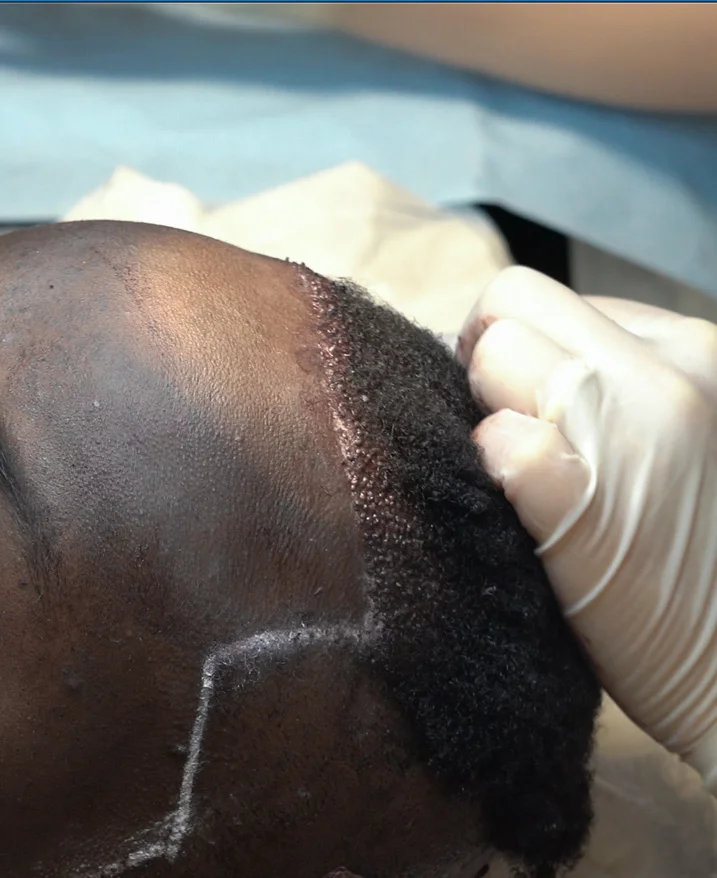
Discover Afro FUE Hair Transplant Journey
From consult to curls, Turkey's packages include virtual planning and vlogs; patients share 100% honest journeys, highlighting cultural sensitivity.
Follow Patient Experience from Pre Op to Full Growth
Pre-op: Trichoscopy maps patterns; op: Numbed spa-like vibe; post: Kits with oils. By month 12, 80% density restores confidence, as in testimonials.
Watch Videos on Decision and Operation Day Feelings
YouTube channel of Istanbul Care capture "spa-day" ops with zero pain; Reddit users praise Istanbul Care's thorough explanations, easing pre-jitters.
Track Hair Thickening from Three Months Onward
Month 3: Sprouts; month 6: 50% definition with PRP; Istanbul Care apps log thickening to 18-month peaks.
The Afro FUE Hair Transplant Procedure Step by Step
The Follicular Unit Extraction (FUE) method is the gold standard for Afro hair transplants, as it avoids linear scars and allows precise handling of curly follicles. Here's a detailed breakdown of the process.
Preparing the Donor Area on Curly or Kinky Scalp
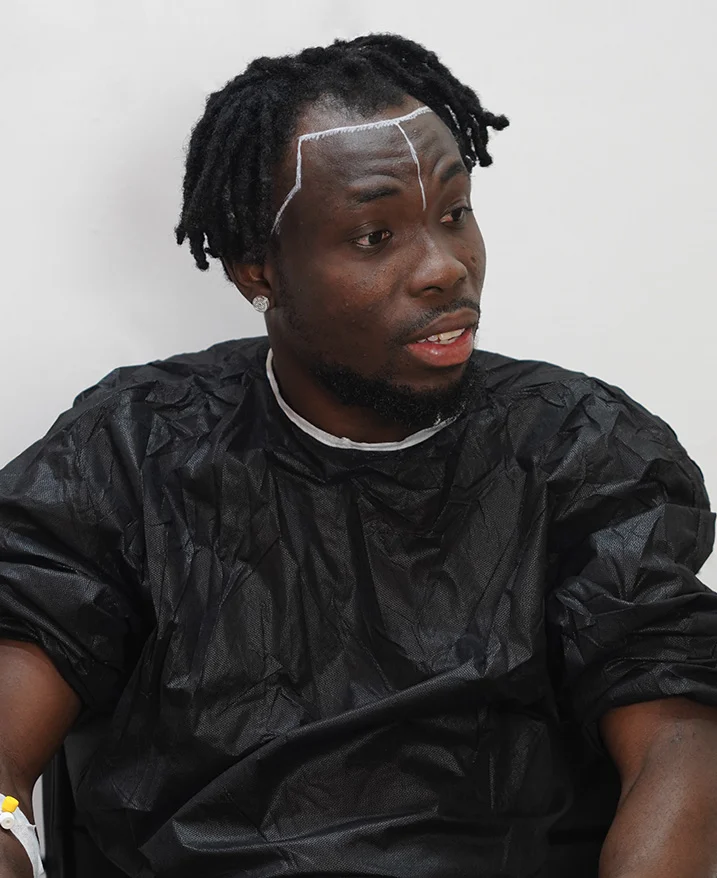
The procedure begins with careful preparation of the donor area, typically the back or sides of the head, where hair is denser and more resistant to balding. For Afro hair, the scalp is trimmed or partially shaved to visualize the curl direction and follicle angle. Surgeons use magnification to map the curved roots, minimizing damage. Local anesthesia ensures comfort, and gentle handling prevents trauma to the kinky texture.
Extracting and Placing Grafts with Special Techniques
Extraction requires specialized curved or blunt punches designed for Afro hair to follow the natural follicle curvature, reducing transection rates (damage to grafts) that were common in older methods. Each graft is individually removed and preserved in a nutrient solution. Implantation considers the exact angle, direction, and depth to match the patient's natural curl pattern, ensuring the new hair grows with authentic texture and density.
What to Expect During Early Recovery After Afro Hair Transplant
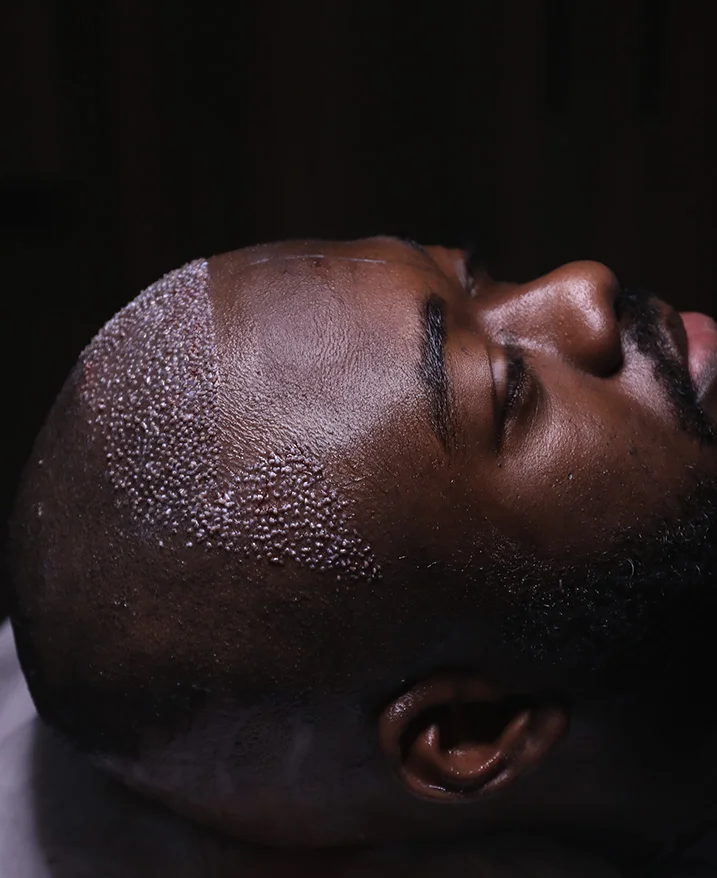
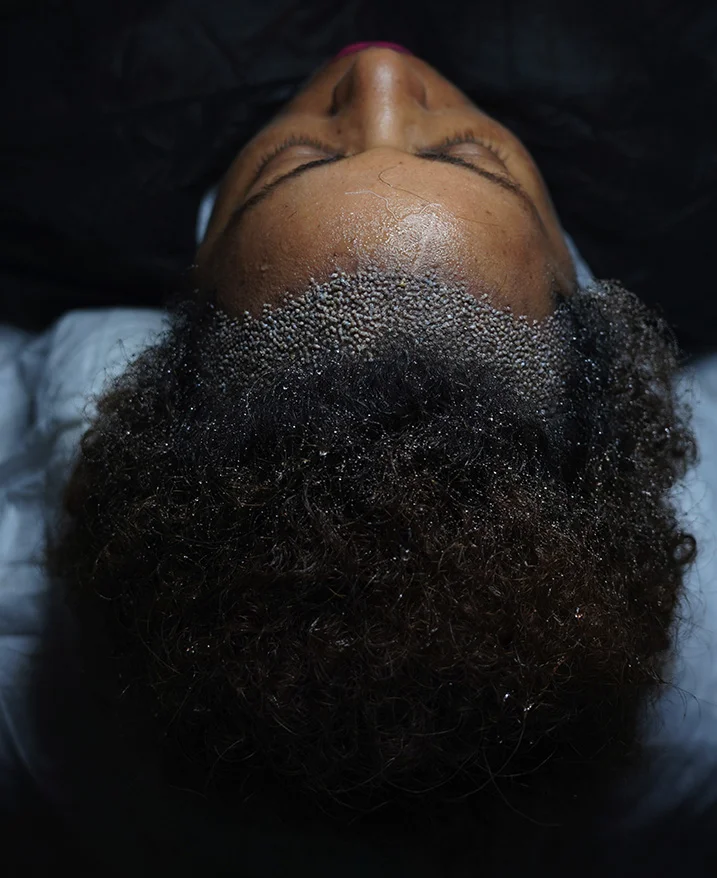
In the first few days, mild swelling, redness, and tiny scabs form around the transplanted area. Patients receive detailed aftercare instructions, including gentle washing and medications to reduce discomfort. Most return to light activities within 3-5 days, with donor area healing visible by day 7. Avoid strenuous exercise for 2 weeks to protect the grafts.
Explore Latest Afro FUE Hair Transplant Advances
Recent innovations have revolutionized Afro hair restoration, making it more effective and accessible than ever.
Use New Machine Developed for Kinky Curly Afro Hair
Cutting-edge devices with customized punches and automated precision now handle the unique curvature of kinky hair, achieving higher graft survival rates and natural curl preservation. These machines reduce procedure time while minimizing follicle damage.
Achieve Success with Nineteen Years of Experience
Clinics with nearly two decades of specialization in textured hair have refined techniques through thousands of cases, delivering consistent, high-density results even in complex patterns like traction alopecia or central centrifugal cicatricial alopecia (CCCA).
Solve Past Issues for Every Patient Type Now
Previous challenges—such as high transection rates, unnatural appearance, or poor growth in curly hair—are largely resolved. Advanced tools and expertise ensure successful outcomes for all skin types and hair textures, including tightly coiled 4C hair.
Achieve Success with Nineteen Years of Experience
Clinics with nearly two decades of specialization in textured hair have refined techniques through thousands of cases, delivering consistent, high-density results even in complex patterns like traction alopecia or central centrifugal cicatricial alopecia (CCCA).
Solve Past Issues for Every Patient Type Now
Previous challenges—such as high transection rates, unnatural appearance, or poor growth in curly hair—are largely resolved. Advanced tools and expertise ensure successful outcomes for all skin types and hair textures, including tightly coiled 4C hair.
Track Recovery Timeline After Afro Hair Transplant
Recovery follows a predictable timeline, with Afro hair often showing robust growth due to its strong follicle structure. Here's what to expect:
| Timeline | What Happens | Key Milestones |
|---|---|---|
| Days 1-7 Post-Op | Initial healing, scabs form, mild swelling/redness | Donor area heals quickly; scabs begin to fall |
| 2-4 Weeks | Scabs fully shed; transplanted hair may enter resting phase | Return to normal activities |
| 2-4 Months | New growth emerges; initial thin hairs appear | Visible recipient area improvement |
| 6-9 Months | Significant density builds; curls become more defined | 60-80% of final results visible |
| 12-18 Months | Full maturity; maximum density and natural texture achieved | Permanent, lifelong results |
Check Donor Area Healing Just Seven Days Post Op
By day 7, the donor site typically shows minimal redness, with tiny dots fading rapidly—ideal for patients wearing short styles.
See Recipient Growth at Two and Four Months
Fine hairs start sprouting around month 2, thickening by month 4 as follicles activate.
Reach Full Density by Twelve to Eighteen Months
Patience pays off: most patients enjoy complete, dense results with preserved curls by 12-18 months.
Afro Hair Transplant Results You Can Expect
With proper technique, Afro transplants deliver permanent, natural-looking hair that blends seamlessly with existing curls.
Real Patient Success Stories with Before and After Photos
Thousands of patients report transformative results, regaining confidence with fuller hairlines and coverage. Before-and-after images from specialized clinics show dramatic improvements—from receding hairlines to dense, curly growth—while maintaining authentic texture.
When Will You See Hair Growth After Surgery
Initial shedding occurs in weeks 2-4 (normal shock loss). New growth begins at 3-4 months, with noticeable density by 6 months and progressive thickening thereafter.
How Long Do Afro Hair Transplant Results Last
Results are permanent. Transplanted follicles from the donor area are genetically resistant to balding, providing lifelong growth that ages naturally with the patient.
When Will You See Hair Growth After Surgery
Initial shedding occurs in weeks 2-4 (normal shock loss). New growth begins at 3-4 months, with noticeable density by 6 months and progressive thickening thereafter.
How Long Do Afro Hair Transplant Results Last
Results are permanent. Transplanted follicles from the donor area are genetically resistant to balding, providing lifelong growth that ages naturally with the patient.
Best Techniques for Afro Hair Transplant Surgery
Afro hair transplants require specialized techniques due to the unique curved follicles, tight curls, and higher risk of damage in kinky or coily hair types (4A-4C). Leading clinics in Turkey use advanced FUE and DHI methods with customized tools like curved punches and sapphire blades to achieve over 95% graft survival and natural curl preservation.
FUE Method for African American Hair Restoration
Follicular Unit Extraction (FUE) is the most recommended and widely used technique for Afro hair. Surgeons extract individual grafts using specialized punches that follow the natural curvature of follicles, minimizing transection rates (damage) that can exceed 10-15% with standard tools. This scarless method allows high graft numbers (up to 5,000+ in mega sessions) and is ideal for covering larger areas like the crown or receding temples in African American patients.
DHI Technique for Precise Afro Hair Transplantation
Direct Hair Implantation (DHI) uses a Choi implanter pen for direct placement, offering superior control over angle, depth, and direction—crucial for matching natural curl patterns in hairlines or edges. It's excellent for dense, precise work in smaller areas but may be limited for very curly 4C hair due to pen compatibility. Many Turkish clinics combine DHI with Sapphire tools for enhanced precision and faster healing.
| Technique | Best For | Graft Limit per Session | Advantages for Afro Hair | Potential Drawbacks |
|---|---|---|---|---|
| FUE | Large coverage, curly/kinky hair | 4,000-5,000+ | Flexible for curved follicles, high volume | Slightly longer implantation time |
| DHI | Hairline precision, density | 2,000-3,000 | Exact angle control, natural curls | Less ideal for tightly coiled hair |
How Surgeons Protect Curly Hair Follicles During Surgery
Experienced surgeons use magnification, curved or blunt punches, and manual extraction to align with follicle spirals, reducing damage. Grafts are stored in nutrient-rich solutions, and implantation matches exact growth angles to prevent straightening or poor growth. Advanced options like Sapphire FUE minimize trauma, while avoiding twisting motions preserves the authentic kinky texture.
Hair Transplant Solutions for African American Men
African American men commonly experience hair loss from male pattern baldness (Norwood scale) or traction alopecia from styling. Turkey's specialized clinics deliver tailored solutions with natural, dense results that respect cultural hairstyles like fades or short crops.
Treating Male Pattern Baldness in Afro Hair
Male pattern baldness affects the hairline, temples, and crown, but Afro hair's density provides excellent coverage post-transplant. FUE restores receding areas with grafts from the resistant donor zone, achieving seamless blending and lifelong results resistant to DHT hormone.
Restoring Hair Loss from Traction Alopecia
Traction alopecia, often from tight braids, cornrows, or weaves, causes edge thinning—especially common in Black men with certain styles. If caught early, it may reverse; otherwise, transplants fill scarred areas effectively. Surgeons use gentle techniques to avoid keloid risks, restoring edges while allowing future protective styles.
Creating Natural Hairlines for Black Men
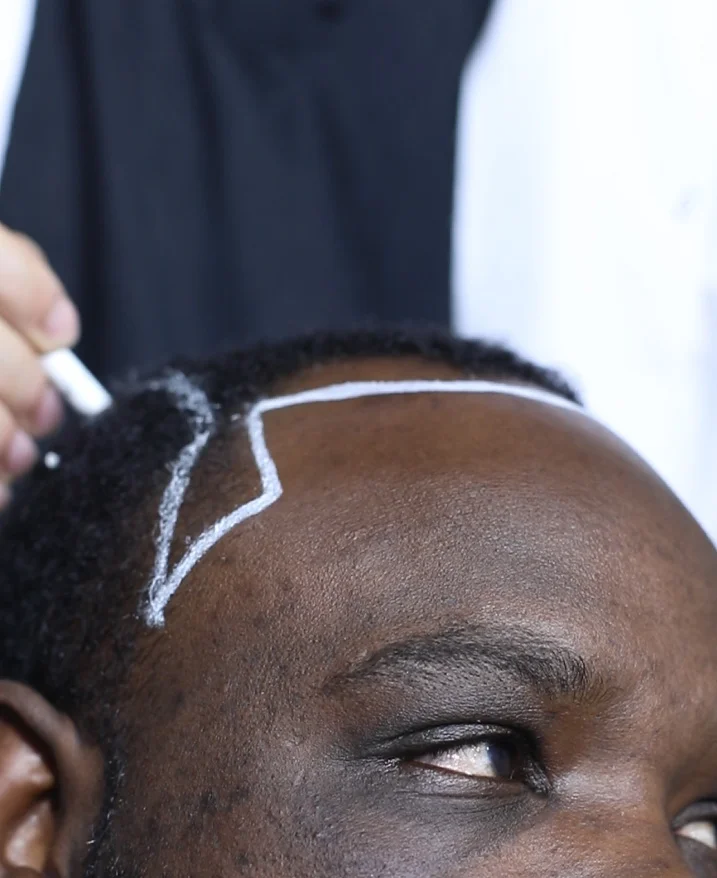
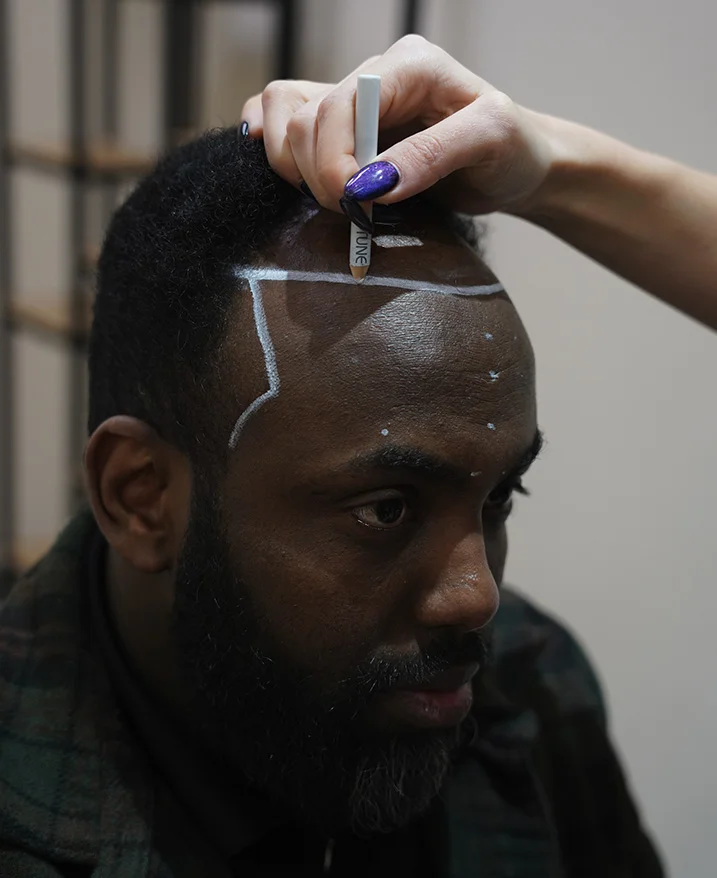
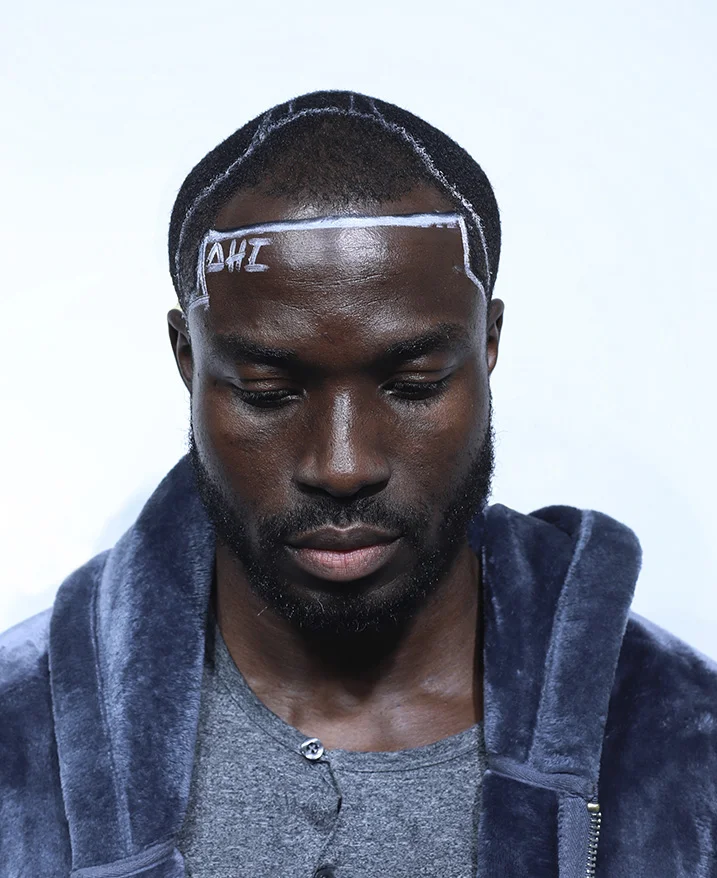
Black men's hairlines are typically straighter and lower-set with subtle temple points. Surgeons design conservative, age-appropriate lines using single-graft placement for soft transitions. Curly texture provides built-in density, making results appear fuller even with fewer grafts.
Restoring Hair Loss from Traction Alopecia
Traction alopecia, often from tight braids, cornrows, or weaves, causes edge thinning—especially common in Black men with certain styles. If caught early, it may reverse; otherwise, transplants fill scarred areas effectively. Surgeons use gentle techniques to avoid keloid risks, restoring edges while allowing future protective styles.
Creating Natural Hairlines for Black Men
Black men's hairlines are typically straighter and lower-set with subtle temple points. Surgeons design conservative, age-appropriate lines using single-graft placement for soft transitions. Curly texture provides built-in density, making results appear fuller even with fewer grafts.
Afro Hair Transplant Cost and Value
Turkey offers exceptional value, with all-inclusive packages covering surgery, accommodation, transfers, and aftercare.
How Much Does an Afro Hair Transplant Cost in Turkey
In 2025-2026, prices typically range from $2,500 to $5,000 USD, depending on graft count and technique. This is significantly lower than in the US/UK while maintaining world-class standards.
| Location | Average Cost (USD) | Includes All-Inclusive Package? |
|---|---|---|
| Turkey | $2,500 - $5,000 | Yes (hotel, transfers, meds) |
| United States | $12,000 - $18,000 | No |
| United Kingdom | $10,000 - $15,000 | No |
What Affects the Price of Your Hair Restoration
- Number of grafts needed (2,000-5,000 common for Afro cases)
- Technique (standard FUE vs. advanced DHI or specialized tools)
- Clinics experience and technology
- Package inclusions (VIP transfers, longer stays)
Choosing Turkey means investing in expertise without compromising quality—many patients save 70% compared to home countries while receiving superior care. Contact us for a free consultation and personalized quote.
Frequently Asked Questions
The cost of an Afro hair transplant in Istanbul Care typically ranges from $1,990 to $2,490 depending on the intermediary organization, number of grafts, and additional services provided.
As with any surgical procedure, there are risks such as infection, scarring, or poor hair growth. However, choosing an experienced surgeon and following aftercare instructions can significantly reduce these risks.
Our Location

Reach Us Now
Speak with our expert DHI Hair Transplant specialist We're ready to answer your questions