


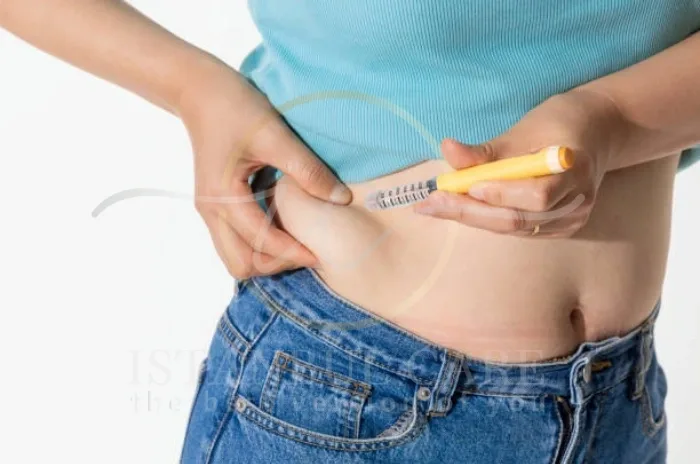


Weight loss injections are prescription medicines that help people with obesity, or with overweight and weight-related health problems, lose weight alongside diet and physical activity. The NHS groups the main ones as GLP-1 and GIP agonists, such as semaglutide, tirzepatide and liraglutide, which reduce appetite and help you feel fuller for longer. This guide summarises what the NHS, NICE, the UK medicines regulator (MHRA), the European Medicines Agency (EMA), the US Wegovy label and one published trial say, as of 26 November 2026. Starting, changing or stopping an injection is a decision for your own prescriber or pharmacist.

Key points
- The MHRA says not all GLP-1 medicines called "weight loss injections" are authorised for weight loss: Wegovy and Mounjaro are, while Ozempic and Rybelsus are licensed for diabetes.
- For the NHS, NICE recommends semaglutide only in a specialist weight management service, for a maximum of 2 years, with at least 1 weight-related condition and a BMI above set thresholds.
- The EMA says people need to continue taking Wegovy in order not to regain weight; a tirzepatide trial found substantial regain after withdrawal.
- The heart-event indication in these sources belongs to Wegovy, for adults with established cardiovascular disease and either obesity or overweight.
- The NHS lists hair loss as a common side effect of semaglutide and tirzepatide, and the US Wegovy label links it to weight reduction.
How do weight loss injections work?
The MHRA describes GLP-1 receptor agonists as medicines that help people feel fuller and lower their blood sugar levels by mimicking a natural hormone released after eating. The EMA says semaglutide, the active substance in Wegovy, helps regulate appetite by increasing a person's feeling of fullness while reducing food intake, hunger and cravings. The MHRA adds that all GLP-1 medicines delay stomach emptying and could influence the absorption of other medicines taken by mouth.
The NHS says weight loss medicines are usually prescribed alongside diet and lifestyle advice. It also lists orlistat, which works differently: it stops your body absorbing as much fat from foods.
Prefer WhatsApp?
Send a photo of your hair on WhatsApp. A doctor replies with a free plan.
Which types of weight loss injection are used?
The NHS medicine pages give these details for the three active substances it lists for obesity.
| Active substance | Brands named by the NHS | Medicine class (NHS) | How often it is injected (NHS) |
|---|---|---|---|
| Semaglutide | Wegovy for obesity; Ozempic and Rybelsus for type 2 diabetes | GLP-1 agonist | Once a week for weight loss |
| Tirzepatide | Mounjaro | GLP-1/GIP agonist | Once a week |
| Liraglutide | Saxenda for obesity; Diavic and Zegluxen for type 2 diabetes | GLP-1 agonist | Once a day |
The MHRA's licence table lists Wegovy as licensed for weight loss or management but not diabetes, Ozempic and Rybelsus for diabetes but not weight loss or management, and Mounjaro for both. The MHRA has not assessed these medicines for use outside their licence, for example for weight loss in people who are not obese or overweight.
What benefits do regulators and guidelines describe?
The main documented benefit is weight reduction alongside diet and physical activity. In the first Wegovy study described by the EMA, which involved 1,961 people, those treated with Wegovy lost on average 15% of their weight after 68 weeks compared with 2% with placebo, and 84% lost at least 5% of their weight compared with 31% on placebo. These are averages, not a prediction for any one person.
The NHS says that losing even a small amount of weight, 5 to 10% of your body weight, can improve your health. NICE says people lose more weight with semaglutide alongside supervised weight management support than with the support alone, and that in people with non-diabetic hyperglycaemia (raised blood glucose without diabetes) it helps normalise blood glucose more frequently than lifestyle measures alone.
Weight loss injections and heart health
In the sources reviewed here, the heart-event indication belongs to semaglutide (Wegovy), not to weight loss injections as a group. The US Wegovy label (revised June 2026) lists reducing the risk of major adverse cardiovascular events (cardiovascular death, non-fatal myocardial infarction or non-fatal stroke) in adults with established cardiovascular disease and either obesity or overweight. The label says the trial behind this indication enrolled people aged 45 years or older with an initial BMI of 27 kg/m² or greater and established cardiovascular disease, excluded people with a history of diabetes, and found that Wegovy injection significantly reduced the risk of a first major event. The MHRA likewise says Wegovy can be used to reduce the risk of cardiovascular events (heart attack and stroke) in overweight and obese individuals.
Who is a suitable candidate for a weight loss injection?
The NHS says that, depending on your BMI and on whether you have other health conditions affected by your weight, you may be able to have medicines to help you lose weight, and that semaglutide is only prescribed if your BMI meets the eligibility criteria.
NICE's guidance for the NHS (TA875, last updated 4 September 2023) recommends semaglutide for weight management in adults only if it is used for a maximum of 2 years within a specialist weight management service, and the person has at least 1 weight-related comorbidity and either a BMI of at least 35.0 kg/m² or a BMI of 30.0 kg/m² to 34.9 kg/m² and meets the criteria for referral to specialist services. Lower thresholds (usually reduced by 2.5 kg/m²) apply for people from South Asian, Chinese, other Asian, Middle Eastern, Black African or African-Caribbean family backgrounds.
The EMA says Wegovy is used in adults with a BMI of 30 kg/m² or greater, or a BMI of at least 27 kg/m² but less than 30 kg/m² with weight-related health problems. The MHRA says GLP-1 medicines should not be used for aesthetic or cosmetic weight loss.
What are the common effects and safety checks?
The NHS lists these common side effects of semaglutide: feeling or being sick, constipation, diarrhoea, feeling tired, itchy or red skin where you inject, and hair loss. Its list for tirzepatide is similar. The NHS says most serious side effects are rare and can include an allergic reaction (anaphylaxis), an inflamed pancreas (acute pancreatitis) and sudden loss of vision, usually in one eye at a time.
The US Wegovy label carries a boxed warning: in rodents semaglutide causes thyroid C-cell tumours, and it is unknown whether Wegovy causes them in humans. Wegovy is contraindicated in people with a personal or family history of medullary thyroid carcinoma (MTC) or Multiple Endocrine Neoplasia syndrome type 2 (MEN 2).
What happens when you stop weight loss injections?
The NHS says to talk to your doctor if you want to stop using semaglutide, and not to stop suddenly; if you have type 2 diabetes it could affect your blood sugar, and your doctor may suggest reducing your dose gradually. The NHS gives the same advice for tirzepatide, and the MHRA says to speak with your prescriber if you are considering stopping. After you stop, the NHS says you should be offered support to help you stay a healthy weight.
In a Wegovy study described by the EMA, all participants had Wegovy for 20 weeks, after which some were given placebo instead. After 48 more weeks, those who continued on Wegovy lost a further 8% of their weight while those on placebo regained 7% of theirs; the EMA says this indicates that people need to continue taking Wegovy in order not to regain weight. In the published SURMOUNT-4 trial, people who had taken tirzepatide were randomly assigned to continue it or switch to placebo for 52 weeks: withdrawing tirzepatide led to substantial regain of lost weight, whereas continued treatment maintained and augmented initial weight reduction.
What this means for hair and scalp
- As of 26 November 2026, the NHS lists hair loss among the common side effects of both semaglutide and tirzepatide.
- The US Wegovy label says hair loss adverse reactions in people treated with Wegovy injection were associated with weight reduction. In a pool of three studies, hair loss was reported in 3.3% of people treated with Wegovy 2.4 mg (4% of women and 0.9% of men) and in 1% of people given placebo.
The British Association of Dermatologists (BAD) describes telogen effluvium as more hair than usual falling out of the scalp because illness, stress or major changes in the body disrupt the normal hair cycle. BAD lists marked weight loss and extreme dieting among its common triggers, says the increase in shedding can occur around 3 months after a trigger, and says it usually gets completely better without any treatment, with the shedding phase lasting between 3 to 6 months.
None of the sources reviewed here gives a typical recovery time for hair loss linked to weight loss injections, and hair loss has other causes: BAD notes that a blood test may be carried out to exclude causes such as thyroid conditions and iron deficiency. If shedding does not get better, BAD recommends seeing your doctor. For more, see our overview of hair loss causes and treatments.
When to see a doctor or get urgent help
- Side effects that bother you or do not go away: the NHS says to speak to a pharmacist or doctor.
- Possible serious side effects: the NHS says to call NHS 111 if you are taking semaglutide and think you might be having serious side effects. The MHRA says severe stomach pain that radiates to the back and does not go away needs urgent medical help.
- Severe or persistent nausea, vomiting or diarrhoea that stops you drinking enough fluids: the MHRA says to contact a pharmacist or doctor.
- Before an operation: the MHRA says to tell your healthcare team, including the anaesthetist, that you take a GLP-1 medicine.
Frequently asked questions
Are weight loss injections the same as Ozempic?
Not exactly. The NHS names Wegovy and Ozempic as brands of semaglutide, but the MHRA lists Wegovy as licensed for weight loss or management and Ozempic as licensed for diabetes.
Can weight loss injections be bought without a prescription?
No. The MHRA says all GLP-1 medicines are prescription only medicines that should not be bought from unregulated sellers such as beauty salons or via social media, and that products supplied as a powder in vials to be mixed with a liquid are not authorised and pose significant health risks.
Is weight loss surgery an alternative?
The NHS says a GP can refer you for weight management programmes, medicines or surgery, and that surgery may be offered at a BMI of 40 or over, or 35 or over with other health conditions that could be improved by weight loss. See our overview of weight loss surgery options.
Related reading
Sources and further reading
- GOV.UK (MHRA): GLP-1 medicines for weight loss and diabetes: what you need to know
- NHS: Overweight and obesity in adults
- NHS: Semaglutide: a medicine to manage type 2 diabetes or treat obesity
- NHS: Tirzepatide: a medicine to manage type 2 diabetes and treat obesity
- NHS: Liraglutide: a medicine to treat type 2 diabetes or obesity
- NICE: Semaglutide for managing overweight and obesity (TA875)
- European Medicines Agency: Wegovy (medicine overview)
- DailyMed (US National Library of Medicine): Wegovy (semaglutide) injection and tablets prescribing information
- PubMed: Continued treatment with tirzepatide for maintenance of weight reduction in adults with obesity: the SURMOUNT-4 randomized clinical trial (JAMA, 2024)
- British Association of Dermatologists: Telogen effluvium (patient information leaflet)
Medical information note: this article is general information prepared by the Istanbul Care editorial team from the sources listed above. It is not a diagnosis or a treatment plan and does not replace advice from your own doctor, pharmacist or surgeon, who know your medical history.
If hair thinning or scalp symptoms are your main concern, you can ask about a free hair analysis: contact Istanbul Care.