
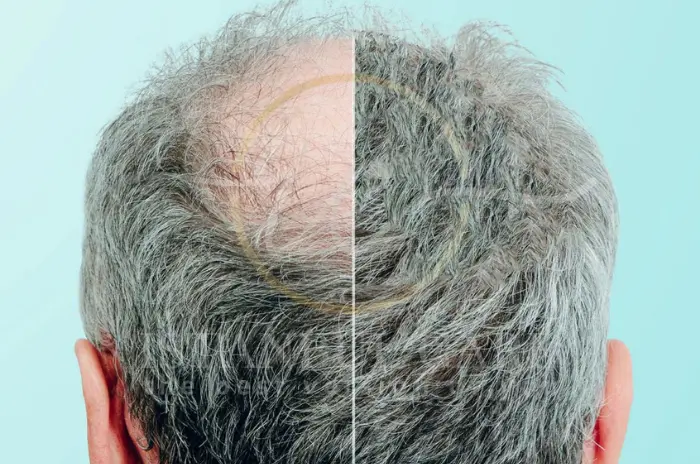
Hair loss can be emotionally distressing, but advances in medical treatments offer new hope. One of the most talked about medicines is Finasteride - a drug originally developed for prostate problems that has now become a mainstay in treatment of hair loss in men . But can it really stimulate hair growth and what should users know about its potential dangers? This article explores the science behind it hair growth with Finasteride , reviewing effectiveness and possible side effects. We analyze Finasteride hair growth results in detail, including its use for both men and women, to help you determine if it's the right choice for your journey with hair loss .
What is Finasteride?
Finasteride is a prescription drug that blocks the conversion of testosterone to dihydrotestosterone (DHT), a hormone related to hair loss in men . It is usually available under brand names such as Propecia and Proscar, usually in the form of finasteride tablets .
What exactly does Finasteride do?
Finasteride works by inhibiting the enzyme 5-alpha-reductase, responsible for converting testosterone to DHT. High levels of DHT shrink hair follicles, leading to thinning hair and hair loss. By lowering DHT, Finasteride slows down hair loss and supports the growth of healthier and thicker hair.
Is finasteride right for me?
This medicine is generally prescribed for men with androgenetic alopecia . A health care professional can assess whether you are a good candidate based on your age, hair loss pattern, and medical history. Women, especially those of reproductive age, should consult a specialist because of the potential risks.
Can finasteride cause hair growth?
yes, hair growth with Finasteride is well documented in clinical studies. It not only stops further hair loss in many men, but also reverses the thinning to some extent. The crown area and middle of the head respond best, while hair growth on the frontal line varies.
When can you start taking Finasteride?
Most doctors recommend the start of use of Finasteride from the early signs of hair loss. Early intervention provides the best results by preventing irreversible damage to the follicles.
Finasteride Hair Regeneration Results
Studies show that over 80% of men who take Finasteride experience slowing of hair loss or new hair growth. Many notice significant improvements in hair thickness and density after continued use.
Finasteride Hair Growth Timeline
Patience is essential. Visible results usually appear after 3 to 6 months , with the full effects visible in 12 months . Consistency is key - missing doses or stopping treatment can reverse progress.
What happens if you use finasteride and minoxidil together?
Combining of Finasteride and Minoxidil often gives better results. While Finasteride targets hormonal causes, Minoxidil increases blood flow to the scalp, promoting faster, denser growth. Many users report more visible hair growth with combination therapy.
How to stimulate hair growth with Finasteride
To maximize the effectiveness of Finasteride :
- Take it every day at the same time.
- Combine it with a topical product such as Minoxidil .
- Keep one healthy diet AND reduce stress .
- Avoid smoking and excessive alcohol.
What are the side effects of Finasteride hair regrowth?
Like all medicines, Finasteride carries risks. Most users tolerate it well, but some may experience:
- Decreased libido
- Erectile dysfunction
- Depression or anxiety
- Breast tenderness or enlargement
Rare side effects of finasteride
Rare but serious side effects include:
- Persistent sexual dysfunction (often referred to as Finasteride syndrome )
- Testicular pain
- Suicidal ideation in vulnerable individuals
Is Finasteride worth the risk?
It depends on your goals and tolerance of possible side effects. For many people, the benefits of improved appearance and self-esteem outweigh the risks. Consulting with a doctor ensures that you make an informed decision.
Can Finasteride cure male pattern baldness?
Finasteride cannot cure it hair loss, but can manage it effectively. It slows progress and stimulates hair growth , maintaining a fuller appearance as long as you continue treatment.
How long does Finasteride take to start working?
You are likely to see changes inside 3 to 6 months , with maximum results around month 12. It is very important not to discontinue use prematurely, as discontinuing the drug may result in hair loss resuming within a few months.
Finasteride Use in Women
Although controversial, Finasteride for women - especially after menopause - has shown promise. However, it is not FDA approved for use by women and can cause birth defects, making it dangerous for women of childbearing age.
Can Doctors Prescribe Finasteride?
Yes, dermatologists, general practitioners and hair restoration specialists can describe Finasteride tablets ABOUT hair loss . Online telehealth platforms also offer access to this medicine after virtual assessments.
When should I stop taking Finasteride?
Discontinue only under medical guidance, especially if you develop severe side effects. Discontinuation can lead to recurrent hair loss and reversal of hair growth.
Are there better options than Finasteride for hair growth?
there Finasteride alternatives like:
- Minoxidil (external)
- Low Level Laser Therapy (LLLT)
- Platelet Rich Plasma (PRP) Injections
- Hair transplants
Each has unique benefits and limitations. In many cases, a combination of treatments works best.
Does Finasteride interact with food or drink?
Finasteride there are no known interactions with food or alcohol, but excess alcohol may worsen side effects. Always follow your doctor's instructions regarding drug interactions.
Does Finasteride work for female hair loss?
The evidence is mixed. While some postmenopausal women benefit, others show limited improvement. Always consult a specialist before use.
How effective is Finasteride for hair loss in women?
For certain groups - especially postmenopausal women - effectiveness of finasteride ranges from moderate to significant. However, it is less reliable than in men.
What are the side effects of finasteride in women?
Women may experience:
- Hormonal imbalances
- Irregular menstrual cycles
- Reduced libido
- Possible harm to the fetus if taken during pregnancy
Are there alternatives to finasteride for female hair loss?
yes, women with hair loss have several safer treatment options, including:
- Topical minoxidil
- Hormonal therapies (eg, spironolactone)
- Nutritional supplements (biotin, iron)
- PRP or laser treatments
What should I know before taking Finasteride?
Before starting:
- Review the family history of hair loss
- understand finasteride side effects
- Consider combination therapies
- Talk to a health care provider about long-term use
When should you get a hair transplant if you are taking Finasteride?
It is ideal to start Finasteride several months before a transplant. This stabilizes the hair loss and ensures that the surrounding follicles are preserved, improving the overall results of the transplant.
What foods or medicines should I avoid while taking or using Finasteride?
There are no strict dietary restrictions, but avoid unapproved drugs or supplements that affect hormone levels unless you have your doctor's approval. Moderate consumption of alcohol is recommended.
Finasteride Results and Side Effects Timeline Chart
| Chronology | Expectations for hair growth | Common side effects |
|---|---|---|
| 0–3 months | Minimal changes, possible shedding | None or mild |
| 3–6 months | Reduction of hair loss, slight thickening | Low libido, mood swings |
| 6–12 months | Visible hair growth, fuller appearance | Erectile dysfunction |
| After 12 months | Maximum regeneration potential has been reached | Stabilization of effects |
We are ready to answer your questions
Finasteride is very effective for many men, especially in the scalp and mid-scalp area. It helps in maintaining and sometimes regenerating hair.
Results usually begin around 3-6 months, with maximum improvements after 12 months. These include decreased libido, erectile dysfunction, and mood swings. Yes, as are persistent sexual dysfunction and psychological effects, although rare. Postmenopausal women may benefit, but it is not recommended for women of reproductive age. Yes, this combination is often more effective than using each treatment alone. Understand the potential side effects, commit to long-term use, and consult a health care provider.Discontinue only under medical supervision - especially if side effects become severe or intolerable.
Follow us on social media for updates, tips and patient success stories: