
DHI Hair Transplant Techniques in Turkey for Advanced Natural Results
DHI Hair Transplant Technique
As a hair restoration specialist with extensive experience in advanced follicular unit transplantation techniques, I've performed and supervised numerous Direct Hair Implantation (DHI) procedures. The International Society of Hair Restoration Surgery (ISHRS) recognizes DHI as a refined variant of Follicular Unit Extraction (FUE) that utilizes specialized implanter pens for precise graft placement, as discussed in their forums and publications on minimizing out-of-body time for grafts. Studies available on PubMed, such as those reviewing implantation methods, highlight how the Choi pen approach can enhance control over angle and depth, contributing to natural aesthetics and high graft survival rates often exceeding 90-95% in experienced hands. This technique appeals to patients seeking informational depth on the process or commercial options for premium, density-focused results in high-volume centers like those in Turkey.
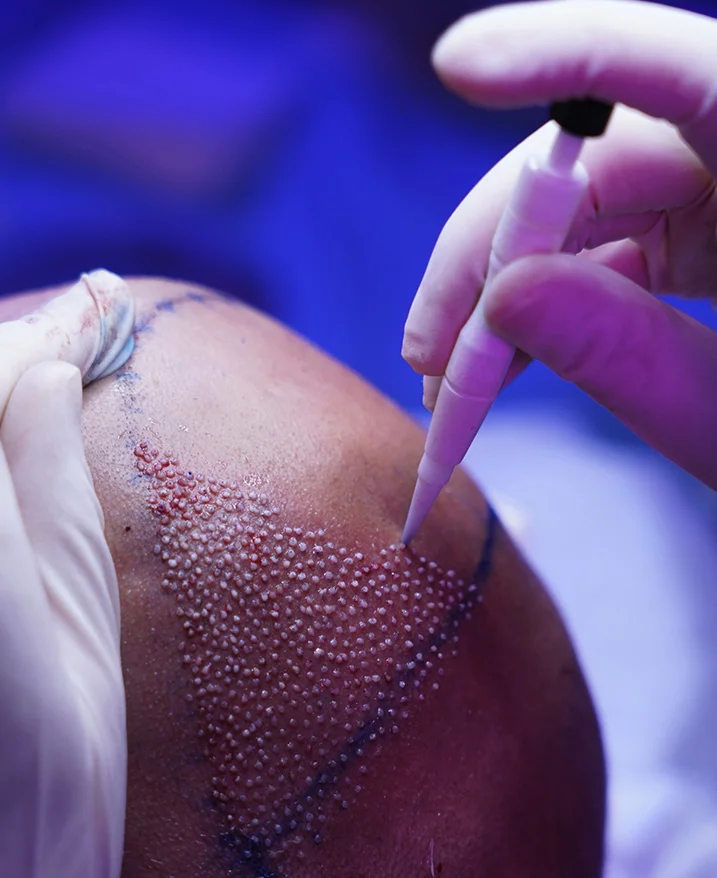
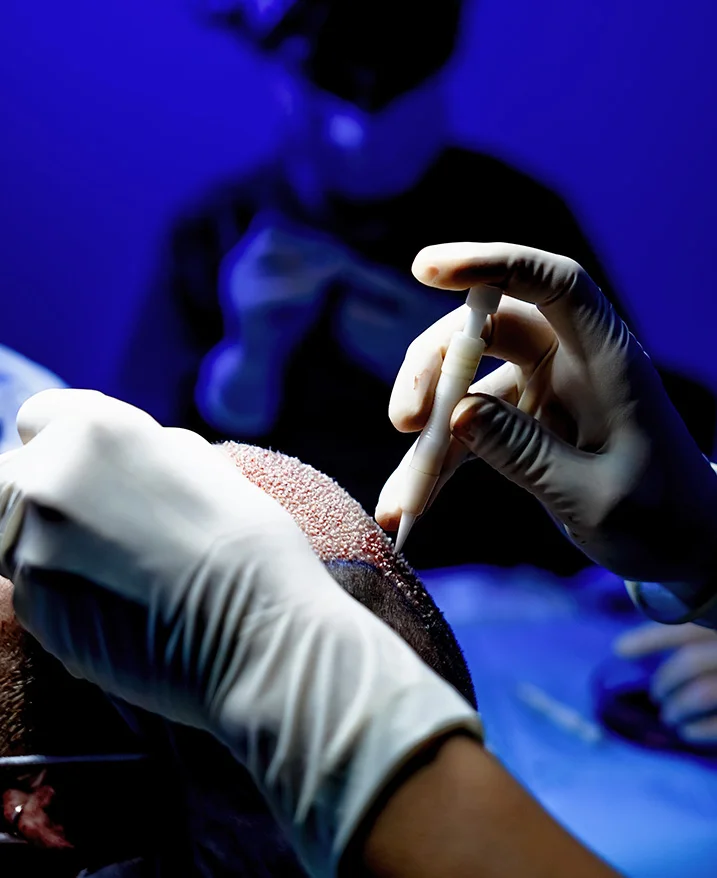
Cutting-Edge DHI Hair Transplant Technique
The DHI method represents an evolution in hair restoration by combining extraction and implantation into a more streamlined process, reducing scalp trauma compared to traditional methods. Using the Choi implanter pen, surgeons achieve simultaneous channel creation and graft placement, which clinical observations and ISHRS discussions note can lead to faster healing and denser packing. This precision tool allows for individualized control over each follicle's direction, depth, and angle—critical factors supported by PubMed reviews on implantation techniques for mimicking natural hair growth patterns. Many patients appreciate how this innovation minimizes handling, preserving graft viability as emphasized in hair transplantation evolution studies.
DHI Hair Surgery: 5 Steps to Naturally Dense, Lasting Results
The DHI procedure follows a meticulous protocol that prioritizes graft health and aesthetic outcomes, drawing from established FUE principles but with enhanced implantation precision.
1. Donor Area Preparation and Planning
The process begins with detailed mapping of the donor zone, typically the occipital region, under local anesthesia to ensure comfort and accuracy. Surgeons assess donor density and plan extraction to avoid over-harvesting, preserving future options—a key consideration in ISHRS guidelines for safe practices. A nutrient-rich solution or serum may be applied to nourish the area, as seen in advanced protocols, strengthening follicles pre-extraction. This step sets the foundation for high-quality grafts and optimal survival rates.
2. Follicular Unit Extraction with Micro-Punch
Grafts are excised individually using micro-punches (0.8-1.0 mm diameter) to minimize scarring and trauma, aligning with FUE standards endorsed by ISHRS. Precision harvesting ensures intact follicular units, often single or multi-hair, for natural distribution. The micromotor or manual punch allows selective extraction from strong donor areas. This phase is crucial for maintaining graft integrity, as prolonged exposure can reduce viability per clinical studies.
3. Graft Sorting, Hydration, and Loading into Choi Pen
Extracted grafts undergo microscopic inspection and sorting to select the healthiest units, then hydrated in a cold, nutrient-enriched solution to control out-of-body time—often limited to minutes in expert settings. Careful loading into the Choi implanter pen minimizes bulb handling, reducing trauma as noted in PubMed articles on implantation tools. Needle gauge selection (based on graft size) ensures gentle insertion. This step directly impacts survival rates, with reduced desiccation leading to better outcomes.
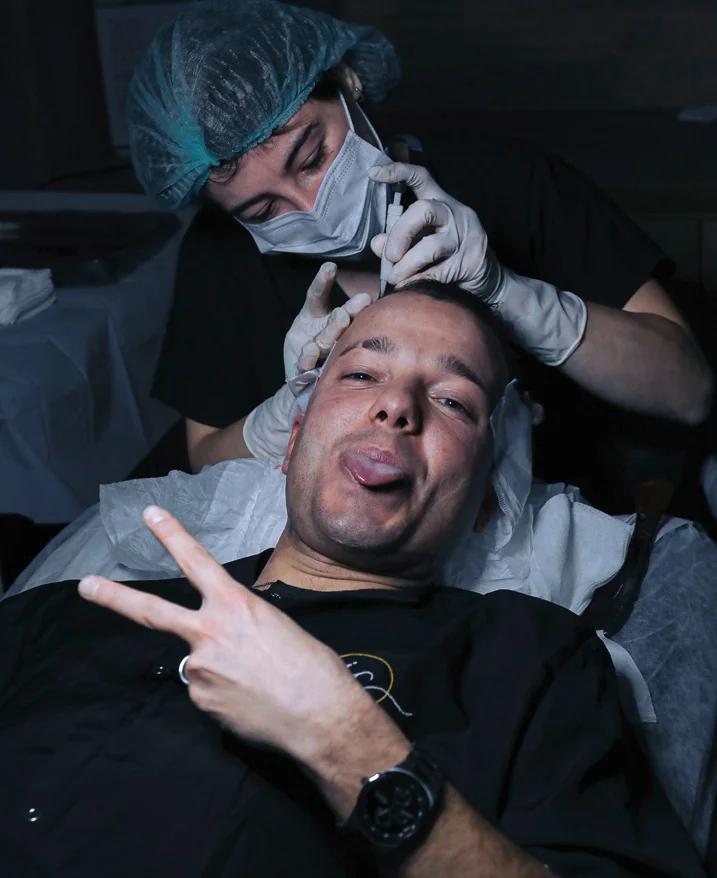
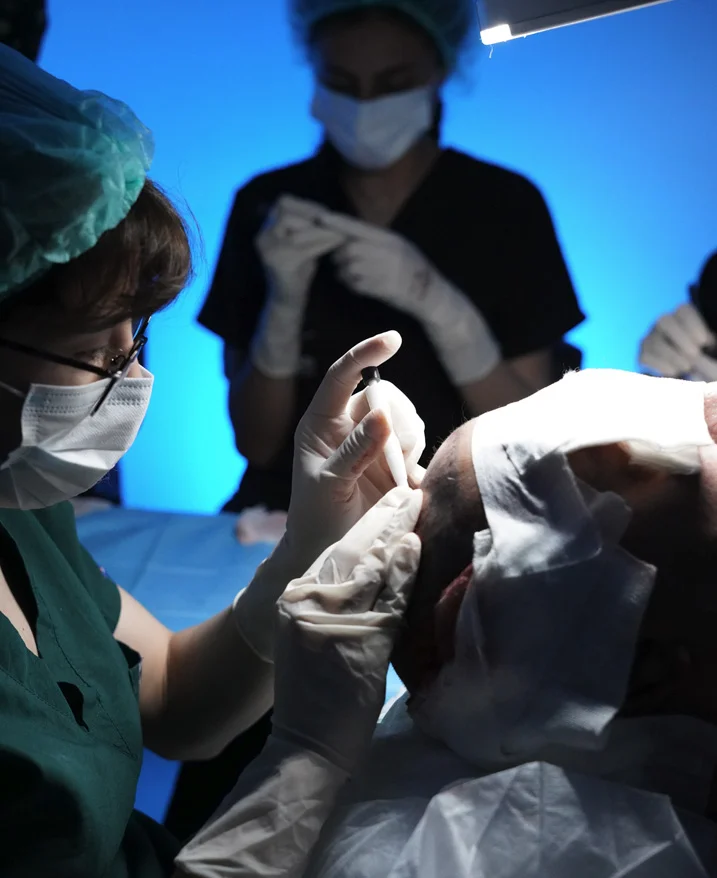
4. Simultaneous Channel Creation and Implantation
The hallmark of DHI is using the Choi pen for direct placement: the hollow needle creates the recipient site and implants the graft in one motion. Surgeons control angle (typically 90-95° for natural flow), depth, and direction with zero margin for error, enhancing frontal hairline realism. This eliminates pre-made channels, reducing edema and crusting compared to classic FUE. Density planning involves strategic passes for up to 50-60 grafts/cm² in suitable areas.
5. Density Control, Pass Planning, and Immediate Post-Op Care
Final passes focus on achieving targeted density while monitoring overall aesthetics and scalp health. Immediate dressing protects implanted sites, with protocols for minimal bleeding and quick stabilization. Follow-up inspections ensure proper alignment and early healing. Long-term results show lasting density due to precise placement, as supported by reviews in hair restoration literature.
Detailed DHI Implantation Protocol: From Extraction to Placement
For those seeking deeper technical insight, the DHI workflow emphasizes minimizing graft stress at every stage, backed by ISHRS emphasis on best practices and PubMed explorations of implanter efficacy.
Donor Planning Mapping and Local Anaesthesia
Accurate donor mapping involves trichoscopic evaluation to identify robust follicles, followed by tumescent local anesthesia for patient comfort and tissue expansion. This reduces bleeding and facilitates cleaner extractions. Planning ensures balanced harvesting without depleting the safe donor area. Precision here prevents complications like donor thinning.
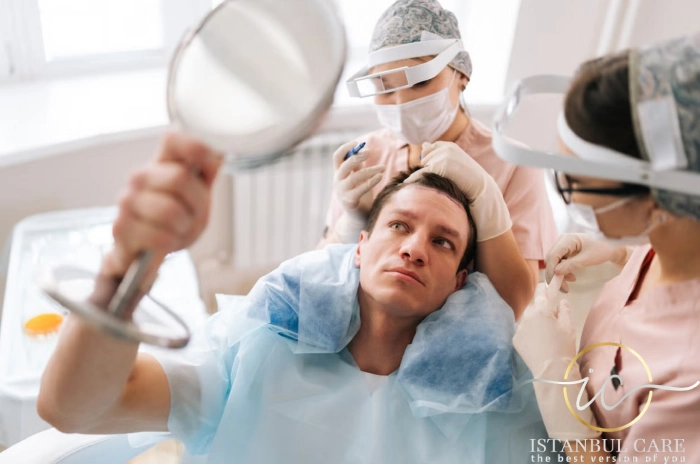
Follicular Unit Excision With Micro Punch Harvesting
Micro-punches extract units with minimal transection rates (ideally under 5%), preserving surrounding tissue per ISHRS standards. The process targets angled extraction to match natural follicle orientation. High-volume experience refines this for efficiency. Low transection correlates with higher regrowth.
Graft Sorting Microscopic Inspection and Single Unit Selection
Under magnification, grafts are classified by hair count and quality, selecting optimal ones for key areas like the hairline. This ensures aesthetic prioritization. Rejected or damaged units are discarded. Selection impacts final naturalness.
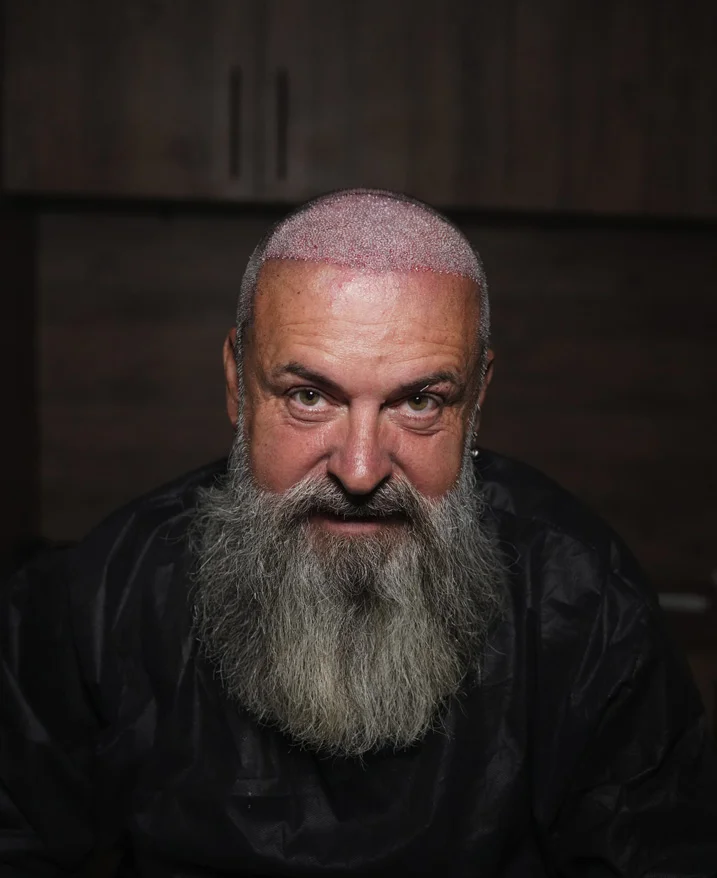
Graft Loading Into the Implanter With Minimal Bulb Handling
Technicians load grafts delicately, exposing only the bulb briefly to avoid trauma— a technique refined in high-precision settings. Forceps use is minimized. This reduces mechanical stress. Handling protocols directly influence viability.
Simultaneous Channel Creation and Implantation Angle Depth Direction Control
The pen's needle penetrates at controlled angles (30-45° typically for hairline), placing grafts at exact depths to avoid popping or burial. Real-time adjustments ensure seamless integration. No pre-channels mean less overall trauma. This yields superior natural directionality.
Density Control Pass Planning and Immediate Post Op Dressing
Multiple passes build density progressively, avoiding overlap or gaps. Final checks confirm coverage. Light dressing and ointments initiate healing. Planning maximizes viable grafts per session.
| Aspect | Classic/Sapphire FUE | DHI (Choi Pen Method) |
|---|---|---|
| Implantation Tool | Forceps into pre-made channels | Choi implanter pen (direct) |
| Channel Creation | Separate step before placement | Simultaneous with implantation |
| Graft Handling | Higher (placement into slits) | Minimal (loaded once) |
| Angle/Depth Control | Good, but post-channel | Superior real-time precision |
| Density Potential | Up to 45 grafts/cm | Up to 60 grafts/cm |
| Out-of-Body Time | Longer possible | Minimized |
| Healing Trauma | Moderate (pre-incisions) | Lower (no pre-channels) |
DHI's technical refinements make it ideal for precision-demanding cases, delivering durable, natural results when performed by skilled teams.