
Allergies to hair dye can range from mild skin irritation to life-threatening reactions. Understanding the causes, symptoms, and hair dye allergy treatment tips is crucial for anyone considering coloring their hair. With guidance from an experienced intermediary organization like Istanbul Care, it’s possible to safely manage or prevent adverse effects.
Hair Dye Allergy Symptoms
Hair dye allergy symptoms may appear within minutes or hours after application. They include:- Itching or burning sensation on the scalp, face, or neck
- Redness, swelling, or rash
- Watery eyes or sneezing
- Blisters or oozing sores
-
Anaphylactic Shock
- Difficulty breathing
- Swelling of the throat or tongue
- Drop in blood pressure
- Rapid heart rate
-
Diagnosis
-
How Long Does a Hair Dye Allergy Reaction Last?
- Mild reactions: 2–5 days
- Moderate reactions: Up to 10 days
- Severe cases: May need ongoing treatment
-
Does Hair Dye Cause Hair Loss?
What Causes Sensitivity to Hair Dye?
-
Common Hair Dye Ingredients That Cause Reactions
| Ingredient | Reaction Risk | Use in Dyes |
|---|---|---|
| Paraphenylenediamine (PPD) | High | Dark permanent dyes |
| Ammonia | Moderate | Opens hair cuticle |
| Resorcinol | Moderate to High | Dye developer |
| Hydrogen Peroxide | Low to Moderate | Lightening agent |
-
Hair Dye Intolerance
- Ongoing scalp sensitivity
- Tingling or dryness after dye use
- Persistent flaking or irritation
How Are Hair Dye Allergies Diagnosed?
Diagnosis typically involves:- Patch Test: A small amount of dye is applied to the skin and observed for 48 hours.
- Allergy Blood Test: To detect immune responses to specific chemicals.
- Consultation: With an intermediary organization’s dermatologist or allergist.
Hair Dye Intolerance
Hair dye intolerance might not trigger immediate symptoms like allergies, but it still causes discomfort over time. Signs include:- Dull or dry hair post-dye
- Chronic scalp irritation
- Gradual thinning of hair
Hair Dye Allergy Treatment Tips
Once symptoms appear, it is crucial to act promptly. The following are common treatment options:-
Hydrogen Peroxide
-
Creams and Emollients
- Hydrocortisone creams
- Antihistamine creams
- Aloe vera or calendula-based emollients
-
How Long Do Symptoms Last?
| Severity | Recovery Time | Recommended Action |
|---|---|---|
| Mild | 2–3 days | Cool compress, avoid scratching |
| Moderate | 5–7 days | Medical creams, rest |
| Severe | 7+ days or ongoing | Physician treatment advised |
-
Sublingual Immunotherapy (SLIT)
What Are the Alternatives to Traditional Hair Dyes?
-
Natural Hair Dyes
- Henna
- Indigo
- Beetroot-based formulas
-
Hypoallergenic Hair Dyes
- PPD
- Ammonia
- Fragrance
- Resorcinol
-
Precautionary Measures
- Perform a patch test 48 hours before each dyeing session
- Avoid mixing multiple brands
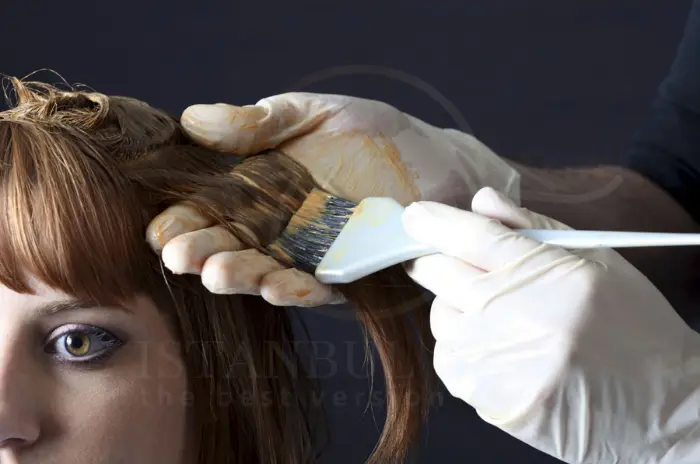
- Use protective gloves during application
-
Choosing Hypoallergenic Hair Dye
| Label Claim | Meaning |
|---|---|
| Dermatologist-tested | Clinically evaluated for skin safety |
| No PPD | Free from most common irritant |
| Organic certification | Contains natural ingredients |
How to Prevent Hair Dye Allergy
Hair dye allergy is not only unpleasant but can also lead to serious complications. Prevention is essential, especially for those who dye their hair frequently. Below are effective strategies to help reduce the risk of allergic reactions.-
General Precautions
- Read the label carefully for ingredients known to cause reactions, like PPD or ammonia.
- Avoid dyeing broken or irritated skin.
- Use gloves during application.
- Do not exceed the recommended processing time.
- Rinse thoroughly to remove all residue.
-
Patch Tests
- Apply a small amount of dye to the inside of your elbow or behind the ear.
- Let it dry and wait for 48 hours.
- Watch for signs like redness, itching, or swelling.
-
Allergy Clinics
- Skin patch tests
- Allergy blood tests
- Treatment plans tailored to your condition
-
Patch Testing New Products
- Brands
- Colors
- Formulas (permanent, semi-permanent, ammonia-free)
How to Recover from Hair Dye Allergy and Hair Loss
Recovery depends on the severity of the reaction. Steps include:- Stop using the dye immediately
- Apply antihistamine or hydrocortisone creams
- Use gentle shampoos to avoid further irritation
- Nourish hair with oils like coconut or argan oil
- Consult a dermatologist for chronic hair loss
Why Some People Are Sensitive to Hair Dye
Sensitivities often result from:- Genetics
- Repeated exposure to allergens
- Skin conditions like eczema or psoriasis
What is PPD?
Paraphenylenediamine (PPD) is a common ingredient in permanent hair dyes, especially darker shades. It provides long-lasting color but is one of the most frequent allergens.Synthetic and Natural Alternatives to PPD
Synthetic Alternatives:- PTD (Para-toluenediamine): Less likely to cause allergic reactions
- MEA (Monoethanolamine): Used in ammonia-free dyes
- Henna
- Indigo
- Beetroot extract
- Walnut shell extract
Is Dyeing Hair Harmful?
When done correctly, hair dyeing is generally safe. Risks increase when:- The scalp is damaged
- Dye is applied too often
- Harsh chemicals are used without precautions
What is Hair Dye, and What Does it Do to Hair?
Hair dye penetrates the hair cuticle to deposit color pigments. This process can:- Weaken the hair shaft
- Strip natural oils
- Alter texture temporarily
Does Hair Color, Hair Type, or Dye Type Matter?
Yes. These factors affect:- Reaction risk
- Color longevity
- Hair damage level
| Hair Type | Risk Level | Recommended Dye Type |
|---|---|---|
| Fine Hair | High | Semi-permanent |
| Curly Hair | Moderate | Ammonia-free |
| Coarse Hair | Low | Permanent (if moisturized) |
When to Seek Professional Help
- Persistent irritation or rash
- Swelling of the face or eyes
- Trouble breathing
- Sudden hair loss
Curious about your Hair Transplantation procedure in Turkey? Fill out the form below to receive a personalized quote from our team.
We’re ready to answer your questions
Itching, redness, swelling, rash, and in severe cases, difficulty breathing.Mild reactions last 2–5 days; severe cases may persist for over a weekYes. Inflammation and scratching may damage follicles and cause shedding.PPD, ammonia, resorcinol, and hydrogen peroxide.Through patch testing and, if needed, allergy blood tests.Topical creams, antihistamines, hydrogen peroxide rinses, and immunotherapyYes. Henna, indigo, and PPD-free hypoallergenic dyes are safer options.Always do a patch test, check labels, and consult an intermediary organization if unsure.Follow us on social media for updates, tips, and patient success stories: