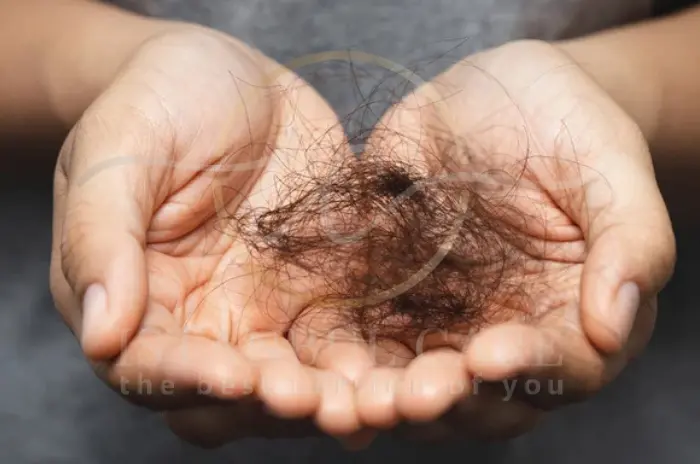
Hair loss in women is more common than many realize, affecting approximately 40% of women by age 50. Unlike male pattern baldness, female hair loss treatment often presents differently and requires specialized understanding and treatment approaches. At İstanbul Care intermediary organization, we recognize the unique challenges women face with hair loss and provide comprehensive solutions tailored to individual needs.
Understanding Female Pattern Hair Loss and Its Causes
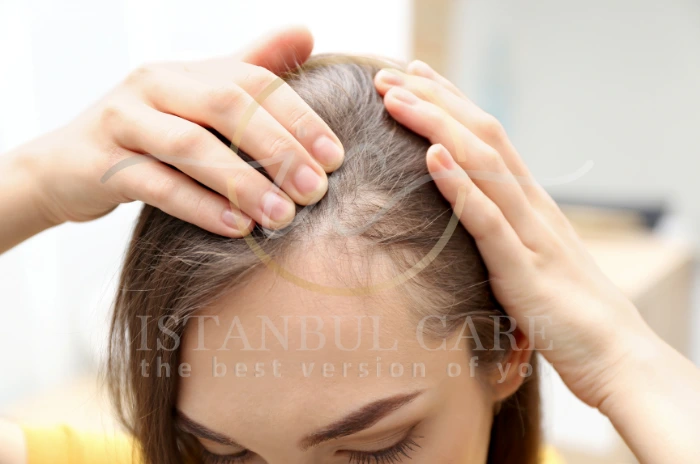
Female pattern hair loss (FPHL), also known as androgenetic alopecia in women, is the most common type of hair loss affecting women worldwide. Unlike men who typically experience receding hairlines and crown baldness, women usually experience diffuse thinning across the entire scalp, particularly at the crown and part line.Primary Characteristics of Female Pattern Hair Loss:
- Gradual thinning rather than complete baldness
- Preservation of the frontal hairline in most cases
- Widening of the central part
- Decreased hair density throughout the scalp
- Miniaturization of hair follicles over time
Root Causes of Female Hair Loss:
| Cause Category | Specific Factors | Prevalence | Reversibility |
|---|---|---|---|
| Hormonal | DHT sensitivity, menopause, PCOS | 60-70% | Partial |
| Medical | Thyroid disorders, autoimmune conditions | 15-20% | Often reversible |
| Nutritional | Iron deficiency, protein malnutrition | 10-15% | Usually reversible |
| Physical | Trauma, tight hairstyles, chemical damage | 5-10% | Variable |
Environmental and Lifestyle Factors:
- Chronic stress and cortisol elevation
- Nutritional deficiencies, particularly iron and protein
- Excessive heat styling and chemical treatments
- Certain medications and medical treatments
- Hormonal fluctuations during pregnancy and menopause
- Autoimmune conditions affecting hair follicles
Effective Treatments for Hair Thinning in Women
Women's hair loss treatment requires a multifaceted approach that addresses underlying causes while promoting hair regrowth and preventing further loss. Treatment success depends on early intervention, accurate diagnosis, and personalized therapy selection.
FDA-Approved Treatments: The gold standard for female hair loss treatment includes FDA-approved medications that have demonstrated safety and efficacy in clinical trials. These treatments work through different mechanisms to address the various causes of hair thinning.Topical Treatments:
- Minoxidil (2% and 5% solutions): The only FDA-approved topical treatment for women
- Compounded formulations: Custom preparations combining multiple active ingredients
- Growth factor serums: Advanced formulations containing peptides and growth factors
Oral Medications:
- Spironolactone for hormonal hair loss
- Iron supplements for deficiency-related thinning
- Biotin and specialized hair vitamins
- Anti-androgens in specific cases
- Thyroid medications when indicated
Advanced Therapeutic Options:
| Treatment Type | Mechanism | Success Rate | Timeline | Side Effects |
|---|---|---|---|---|
| PRP Therapy | Growth factor stimulation | 70-80% | 3-6 months | Minimal |
| Microneedling | Follicle stimulation | 60-70% | 2-4 months | Mild irritation |
| Low-Level Laser | Cellular energy enhancement | 60-65% | 4-8 months | None reported |
| Hair Transplant | Follicle redistribution | 90-95% | 6-12 months | Surgical risks |
How Minoxidil Helps with Female Hair Loss
Minoxidil remains the cornerstone of female hair loss treatment, with over 30 years of clinical evidence supporting its safety and effectiveness. Originally developed as a blood pressure medication, its hair growth properties were discovered as a beneficial side effect. Mechanism of Action: Minoxidil works through multiple pathways to promote hair growth and prevent further loss. It acts as a vasodilator, increasing blood flow to hair follicles and providing enhanced nutrient delivery. Additionally, it extends the anagen (growth) phase of the hair cycle and can reverse some follicle miniaturization.Application Guidelines for Women:
- Concentration: Women typically use 2% solution initially, advancing to 5% if needed
- Application: Twice daily to dry scalp and hair
- Amount: 1ml per application covering affected areas
- Technique: Gentle massage to ensure absorption
- Consistency: Daily use required for sustained benefits
Minoxidil Formulation Options:
- Traditional liquid solutions (2% and 5%)
- Foam formulations for easier application and reduced irritation
- Compounded preparations with additional active ingredients
- Extended-release formulations for once-daily application
Comparing Top Hair Loss Treatments for Women
Understanding the relative effectiveness, costs, and considerations of different treatment options helps women make informed decisions about their hair loss management strategy.| Treatment | Effectiveness | Cost | Maintenance | Best Candidates |
|---|---|---|---|---|
| Minoxidil 5% | 70-80% improvement | Low-Moderate | Daily application | Early to moderate loss |
| Spironolactone | 60-70% improvement | Low | Daily oral medication | Hormonal hair loss |
| PRP Therapy | 75-85% improvement | High | Monthly initially | Good overall health |
| Hair Transplant | 90-95% success | Very High | One-time procedure | Advanced loss |
| Laser Therapy | 60-65% improvement | High | 3x weekly sessions | Mild to moderate loss |
- Minoxidil + Spironolactone for hormonal hair loss
- PRP therapy + topical treatments for enhanced results
- Nutritional support + primary medical treatments
- Laser therapy + topical medications for synergistic effects
Who is a Candidate for Hair Transplantation
Hair transplantation for women requires careful evaluation as female hair loss patterns differ significantly from male patterns. Not all women are suitable candidates, making proper assessment crucial for successful outcomes.Ideal Female Transplant Candidates:
- Stable donor area with adequate hair density
- Well-defined areas of hair loss rather than diffuse thinning
- Realistic expectations about results and limitations
- Good overall health and healing capacity
- Age typically over 25 with stabilized hair loss pattern
Female Hair Transplant Considerations:
- Pattern Assessment: Women with localized loss respond better than those with diffuse thinning
- Donor Area Evaluation: Sufficient healthy hair in back and sides of scalp
- Hormonal Stability: Post-menopausal women or those with controlled hormonal issues
- Psychological Readiness: Understanding of procedure limitations and recovery process
Types of Female Hair Transplant:
- FUE (Follicular Unit Extraction): Individual follicle extraction with minimal scarring
- FUT (Follicular Unit Transplantation): Strip method suitable for larger areas
- DHI (Direct Hair Implantation): Advanced technique with precise placement
The Role of Hormones in Female Hair Loss
Hormonal fluctuations play a central role in female hair loss, making hormonal evaluation and management crucial components of effective treatment strategies.Key Hormones Affecting Female Hair:
| Hormone | Effect on Hair | Life Stage | Treatment Approach |
|---|---|---|---|
| DHT | Follicle miniaturization | All ages | Anti-androgens |
| Estrogen | Hair growth promotion | Reproductive years | Hormone replacement |
| Progesterone | Growth support | Menstrual cycle | Balancing therapy |
| Thyroid | Metabolism regulation | Any age | Thyroid treatment |
| Cortisol | Growth inhibition | Stress periods | Stress management |
Hormonal Treatment Strategies:
- Hormone replacement therapy (HRT) during menopause
- Anti-androgenic medications like spironolactone
- Birth control pills with low androgenic activity
- Natural hormone balancing through diet and supplements
- Stress reduction and cortisol management
Spironolactone for Hair Loss: How It Works
Spironolactone has emerged as an effective off-label treatment for female hair loss, particularly in cases involving hormonal imbalances and androgen sensitivity. Mechanism of Action: Spironolactone functions as an anti-androgen by blocking androgen receptors and inhibiting the production of androgens. This dual action helps protect hair follicles from DHT-induced miniaturization while creating a more favorable hormonal environment for hair growth. Clinical Effectiveness: Studies demonstrate that 60-70% of women experience improvement in hair density and reduced hair loss with spironolactone treatment. Results typically become apparent after 6-12 months of consistent use.Dosage and Administration:
- Starting dose: 25-50mg daily
- Maintenance dose: 100-200mg daily (divided doses)
- Monitoring: Regular blood pressure and potassium level checks
- Duration: Long-term treatment required for sustained benefits
Patient Selection for Spironolactone:
- Women with signs of androgen excess
- Those with hormonal acne accompanying hair loss
- Patients who haven't responded adequately to topical treatments
- Women with PCOS-related hair loss
- Post-menopausal women with androgenetic alopecia
We’re ready to answer your questions
Hair transplants are cheaper in Turkey due to favorable exchange rates, lower operational costs, government support for medical tourism, and high competition among providers. The country's economic structure allows facilities to offer world-class treatments at significantly reduced prices while maintaining excellent quality standards through economies of scale and efficient operations.
Turkey typically offers 20-40% lower costs than Mexico for comparable procedures. While Mexico ranges from $3,000-$9,000 depending on the package, Turkey's comprehensive packages typically cost $1,800-$5,500 including accommodation, transfers, and aftercare. Turkey also generally includes more services in base pricing, providing better overall value.
Average hair transplant prices vary significantly by location: Turkey ($2,500-$3,500 for comprehensive packages), Mexico ($4,000-$6,500), USA ($10,000-$20,000), and Europe ($8,000-$15,000). These prices typically include 3,000-4,000 grafts, with Turkey offering the most comprehensive packages at the lowest prices.
Turkey consistently includes accommodation (3-4 nights in quality hotels), airport transfers, and local transportation in most packages. Mexico's inclusions vary significantly by provider - some offer basic packages while others include hotel stays. Turkish packages are generally more comprehensive, often including translator services, medications, and extensive aftercare support.
Follow us on social media for updates, tips, and patient success stories: