Istanbul Care

What Is Alopecia Universalis? Causes and Treatments

Learn what alopecia universalis is, its causes, and available treatments. Discover how to manage this rare autoimmune condition effectively.

Written by Tuğba Kuşbey, Medical Chief

What Is Alopecia Universalis?

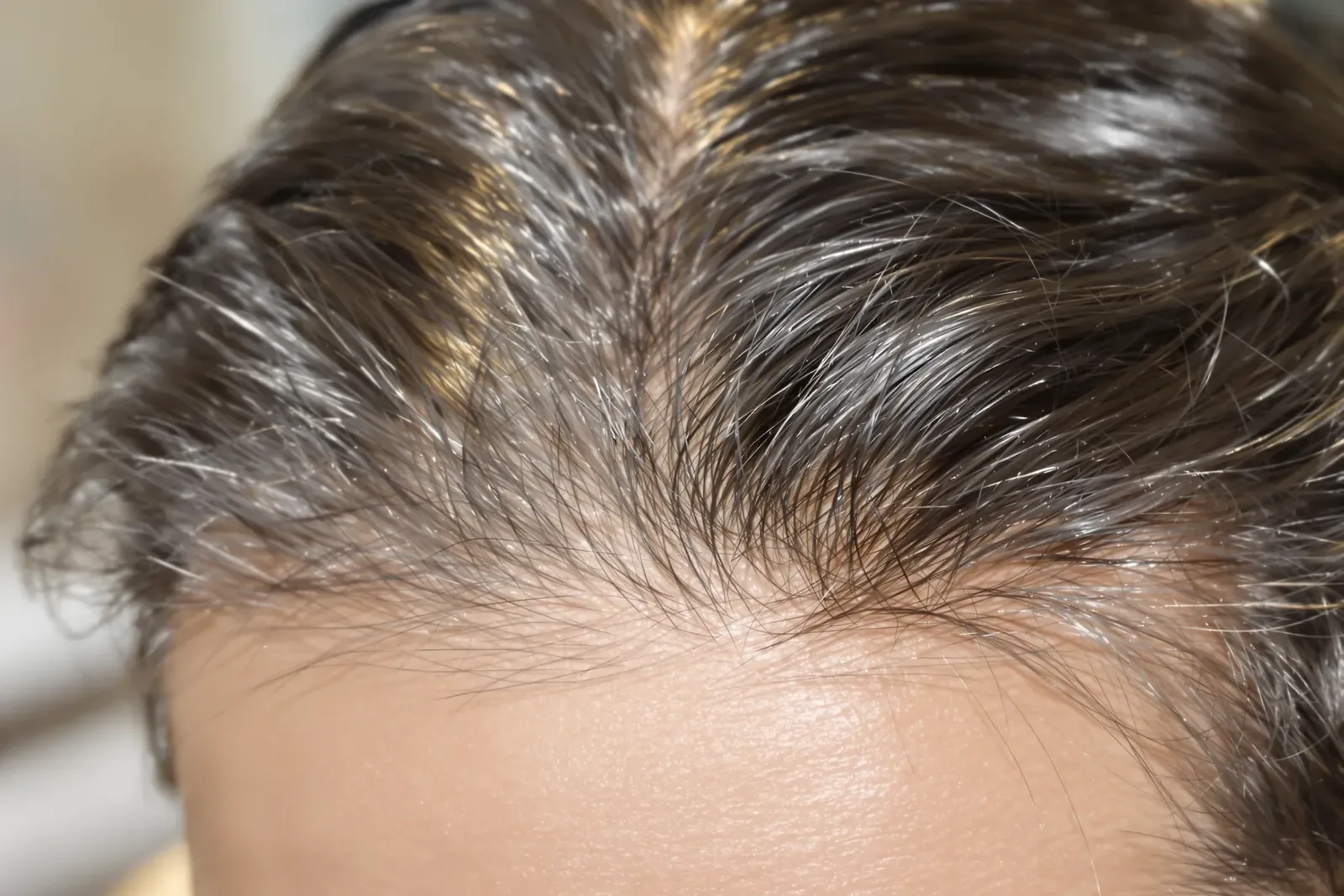
Alopecia universalis is the rarest form of alopecia areata. It strips every hair from the body - scalp (eyebrows)eyelashes, arms, legs, chest, and pubic area - in a complete, often permanent loss. The driver is autoimmune: the immune system's T cells mistake the hair follicles for foreign invaders and attack them, halting hair production entirely.

How It Differs From Other Forms

Alopecia areata usually causes patchy bald spots, and alopecia totalis takes it further - total scalp hair loss. Alopecia universalis goes beyond, erasing all body hair. The condition affects an estimated 1 in 500,000 people globally. Onset can happen at any age, but most cases surface before age 30. Children as young as 2 have been diagnosed.

Researchers have not yet fully understood the mechanisms. About 20% of patients have a family history of alopecia areata, so genetics clearly play a role. Certain genes linked to autoimmune disease (HLA class II) are more common in those with alopecia universalis. No single cause has been proven (but potential triggers include viral infections)stress, or hormonal changes.

What Happens in the Body

Once triggered, the attack cycle becomes self-perpetuating, and inflammatory signals (interferon-gamma and interleukins) flood the hair follicle’s microenvironment. The follicle shrinks and enters a resting phase. In universalis, the immune attack is so extensive that the body can no longer mount significant hair growth. The hair follicles stay alive, but remain locked in the telogen (rest) or catagen (regression) phase.

Patients typically experience sudden, rapid shedding over weeks or months. The hair loss is non-scarring-the skin looks normal (smooth)and free of inflammation. Nail changes-pitting (ridging)or thinning-occur in about 10-20% of patients, pointing to the same autoimmune process.

What Causes Alopecia Universalis?

Alopecia universalis is an autoimmune disorder. The body's own immune system attacks the hair follicles by mistake. Rather than going after viruses or bacteria, it turns on healthy hair follicles.

That mechanism is fairly specific, and white blood cells (especially T-cells)infiltrate the follicles. They mount an inflammatory response that halts hair production. But the follicle itself isn’t destroyed. It pauses, frozen mid-cycle. This explains why the condition can (in rare cases)reverse spontaneously.

What drives these T-cells to target the wrong cells isn't fully understood. Genetics load the gun.

Around one in five people with alopecia universalis has a close family member with some form of the condition. Researchers have tied several gene variants to it, especially in the PTPN22 and IL2RA regions. These genes help regulate immune activity, and a slight alteration in these genes can raise the risk.

Still, most people with those gene variants never develop universalis. The trigger is often an environmental factor.

Environmental factors play a role. A severe viral infection, such as influenza, Epstein-Barr virus, or COVID-19, can trigger the autoimmune attack in a person who is genetically predisposed. Case reports also link physical trauma (major surgery)and extreme emotional stress to the onset of alopecia universalis.

Known triggers include:

  • Severe illness , the immune system overcorrects after fighting a pathogen.

  • Hormonal shifts , pregnancy or childbirth sometimes precede the onset of the condition.

  • Certain medications , antimalarials and some blood-pressure drugs have been linked to the development of alopecia universalis.

Alopecia universalis is not contagious. It can't be transmitted from one person to another.

No single, complete answer exists yet. The disease sits at the intersection of inherited risk and an external kick-start that, for reasons not fully understood, sends the immune system down a very specific destructive path.

Symptoms and Diagnosis

Total hair loss across the entire body is the most visible symptom of alopecia universalis. Hair loss spans the scalp, eyebrows, eyelashes, beard, armpit, pubic hair, and even the fine vellus hairs on the arms and legs. Unlike male pattern baldness (which follows a predictable Norwood scale)universalis hits everywhere at once. Some patients report a rapid shedding period lasting 4-6 weeks. Others wake up one morning to find clumps on the pillow. Before hair falls out, the scalp may feel slightly tender or tingly, that's the immune system attacking the follicles.

Roughly 10-20% of cases also involve nail changes. These include pitting (tiny dents), roughness, or ridges that run lengthwise along the nail plate. Horizontal grooves known as Beau's lines may appear weeks after a shedding episode. Because they point to an autoimmune process rather than a fungal infection or vitamin deficiency, these nail changes serve as a useful diagnostic clue.

How Doctors Confirm the Diagnosis

No single blood test can diagnose alopecia universalis. Dermatologists diagnose it through a combination of clinical exam and patient history. The key sign is complete hair loss without visible scarring or skin inflammation. The doctor may gently pull on a few remaining hairs; if they come out easily, the disease is still active. With a dermoscope-a handheld magnifying lens-the clinician identifies exclamation-mark hairs and yellow dots at follicle openings, both classic indicators.

If the diagnosis remains uncertain, a scalp biopsy may be performed. Pathologists look for a lymphocytic infiltrate around the hair bulbs, described as a 'swarm of bees' pattern. Blood work is used to exclude other conditions such as thyroid disorders, lupus, syphilis, iron deficiency, and hormonal imbalances. Standard tests include thyroid panels, antinuclear antibody (ANA), vitamin D, ferritin, and a complete blood count.

Does Alopecia Universalis Go Away?

Alopecia universalis is generally a chronic condition. It rarely resolves spontaneously. Spontaneous resolution is uncommon. Full spontaneous remission (complete regrowth without treatment) occurs in roughly 10 to 20 percent of patients over a ten-year window. The likelihood drops significantly if the hair loss has been total for more than two years.

A patient's prognosis depends on several factors. Children who develop alopecia universalis typically have a lower chance of regrowth compared to adults with a shorter history of loss. Family history of autoimmune disease is an additional factor. A 2018 review in Dermatologic Therapy noted that continuous, untreated activity for five or more years makes lasting regrowth unlikely.

But 'going away' isn't the same as 'being controlled.' For alopecia universalis, treatment can trigger new hair growth even if the condition rarely disappears permanently. Oral JAK inhibitors like baricitinib (Olumiant) and ritlecitinib (Litfulo) have produced measurable results in clinical trials. In two phase 3 trials published in 2022, about 36% to 39% of patients with severe alopecia areata-including universalis-regained at least 80% scalp coverage (SALT score of 20 or less) after 36 weeks of baricitinib 4 mg, versus about 3% to 6% on placebo. But maintenance requires continuous medication. Once the medication is stopped, the immune attack typically returns within several months.

Some patients also try topical immunotherapy, corticosteroids, or contact sensitizers, and results are variable, and none qualify as a cure. Because the immune system retains its memory, any regrowth is often fragile. Stress (illness)or a change in medication can trigger another hair-loss cycle.

Alopecia universalis rarely resolves permanently on its own. With active management, however, many patients achieve meaningful and sometimes dramatic regrowth of scalp and body hair. Realistic expectations are essential: treatment can suppress the disease, not eliminate it.

Treatment Options for Alopecia Universalis

Treating alopecia universalis remains notoriously difficult. No single therapy guarantees full regrowth, and individual responses vary widely. Several treatment options are available, some supported by clinical data and others by anecdotal evidence. Understanding what each treatment can realistically achieve is key.

JAK Inhibitors

Janus kinase inhibitors have changed the conversation around severe alopecia. The FDA approved baricitinib (Olumiant) for alopecia areata in 2022, and clinical trials enrolled patients with alopecia universalis. In clinical trials, roughly 30% of patients with at least 50% scalp hair loss achieved 80% coverage within 36 weeks. The medication ritlecitinib (Litfulo), approved for patients aged 12 and up, targets the TEC family in addition to JAK. Both are taken as daily pills and carry risks (including a higher chance of infections)elevated cholesterol, and rare blood clots. Monthly blood work monitoring is standard practice. Costs range from $2,500 to $4,000 per month without insurance, but manufacturer assistance programs are available.

Topical Immunotherapy

Doctors have used diphenylcyclopropenone (DPCP) for decades. The treatment involves applying a chemical that triggers a mild allergic reaction, which diverts the immune system's attack from hair follicles. Weekly clinic visits are needed for 6 to 12 months, and potential side effects include blistering, eczema, and swollen lymph nodes. DPCP is widely accessible (but since it's not FDA-approved for this indication)insurance coverage is inconsistent.

Corticosteroids

High-dose oral prednisone may stimulate regrowth in certain cases, but the effect is usually temporary. Long-term use can lead to weight gain, bone loss, diabetes, and mood changes. Intralesional injections (triamcinolone acetonide, 2.5-5 mg/mL) are commonly used for patchy alopecia areata. Still, in universalis, where the entire scalp and body are affected, injecting every lesion is impractical. Topical corticosteroids are largely ineffective for this condition.

Other Medical Options

  • Contact sensitizers like squaric acid dibutyl ester (SADBE) work in a similar way to DPCP and are compounded by specialty pharmacies. Response rates are comparable.

  • Oral minoxidil (2.5-5 mg/day) is sometimes added to JAK inhibitors or used alone.

  • Low-level laser therapy is marketed widely, but a 2021 systematic review concluded that evidence for universalis is insufficient. Minor vellus growth are reported by Some patients.

Surgical and Cosmetic Options

Hair transplantation is rarely a good fit. Because alopecia universalis often involves an ongoing autoimmune attack, transplanted hair may fall out. On a completely bald scalp, the donor supply is limited. Surgeons will typically turn down cases unless the disease has been stable for at least two years-meaning no active patches.

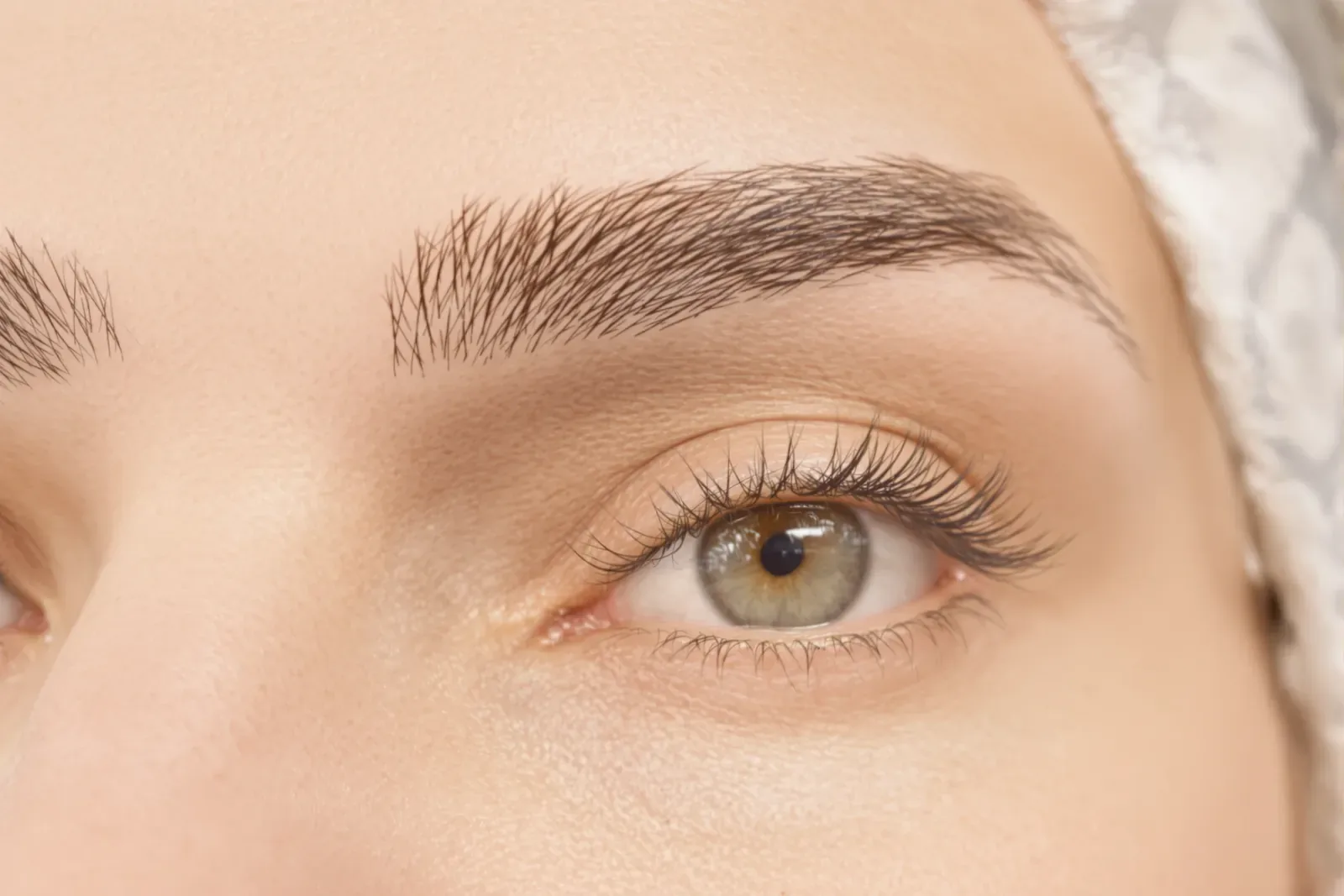
Practical alternatives include wigs, micropigmentation (scalp tattooing), and eyebrow microblading, and a top-tier custom wig costs anywhere from $1,500 to $5,000. Eyebrow medical tattooing runs $300 to $900 per session. They don't treat the underlying condition, but they reliably restore appearance.

Emerging Research

Clinical trials currently test next-generation JAK inhibitors-upadacitinib and abrocitinib-alongside biologic drugs that target interleukins 15 and 2.
Patient reviews

What our patients say

4.71,214 Google reviewsRead all
  • Abduuu Chb

    2 days ago

    I have been assisted by one agent who speaks darija explained everything From the beginning till the end and I choose İstanbul care for my plastic surgery and teeth treatment go a head and ask for the darija guy Appreciate your help AbdelRead more

    Verified Google review

  • HÜSNÜ Şimal

    2 days ago

    6 Months After My Hair Transplant Six months after a hair transplant, the progress can be exciting to look back on. For patients considering Istanbul Care Clinic, seeing genuine before-and-after photos and hearing about the recovery process can make a real difference. A useful six-month review should cover the initial consultation, the treatment experience, communication with the clinic, and visible hair growth. It’s also worth remembering that final results can take longer than six months to develop.Read more

    Verified Google review

  • Bernardo Pascoal

    a month ago

    Very good, I was well received at the clinic, especially by the translator Elizabeth. I highly recommend it.

    Verified Google review

  • Oussa BEO

    a month ago

    It was a pleasant experience, although I was obviously apprehensive. But it went extremely well. Special mention to ZINEP who was attentive and took great care of me.

    Verified Google review

  • Ghislain Richard

    a month ago

    The team has been great from start tor finish. I was well taken care of. I would highly recommend.

    Verified Google review

  • Fer Alemán

    2 months ago

    It was an excellent choice, the service was impeccable and the assistance in my language was available throughout the entire process. Thank you very much.

    Verified Google review

  • Luis David Salinas Torres

    2 months ago

    Excellent service, I also want to highlight the post-operative follow-up by Erida, who is very kind and patient, giving me the detailed instructions I need.

    Verified Google review

  • Greg B

    2 months ago

    Nothing but good things to say about my experience with Istanbul Care top to bottom everything was explained to me and my procedure went great. Erida was my translator and she has been helping me with all my after procedure questions which have been above and beyond I would recommend this place because they get the job done.Read more

    Verified Google review

  • Just Ros

    2 months ago

    Thanks for everything guys! Very helpful and informative! I will Get back to you in 6 months. Cheers !

    Verified Google review

  • muqaalo cusub

    4 months ago

    ⭐⭐⭐⭐⭐ I am very satisfied with the service I received from Istanbul Care. From the very beginning until the end, the team was professional, caring, and well-organized. The person who assisted me was very patient, explained everything clearly, and was always available to answer my questions. The whole process was smooth and hygienic, and I felt comfortable and confident throughout. So far, the early results look very promising, and I’m looking forward to great final results. I highly recommend Istanbul Care to anyone considering a hair transplant. Thank you again 🙏Read more

    Verified Google review

  • Juan Osvaldo Baez

    4 months ago

    Highly recommended! I am extremely satisfied and proud of the results of my procedure with Istanbul Care Hair Transplant. They are an exceptionally professional medical team, experts in their field, and they provide comprehensive patient guidance from the very beginning. What truly sets them apart is the outstanding post-operative follow-up they offer. If you are looking for excellence, commitment, and top-notch care, I recommend them wholeheartedly.Read more

    Verified Google review

  • Varsh M

    4 months ago

    Starting from the airport the communication is very timely and consice. They message you right as you are about to land and give you the proper instructions and all is taken care of. I also liked the hotel because they were also very helpfull and acommodating. The only thing i did not like was that i was inititally quoted on the price stating that the grafts from my head would be enough after providing multiple photographs. But arriving at the clinic during the consult it was mentioned that it wouldnt be enough and require additional donor area for 450$. And i get it, things like this happen and its no ones fault really but this did come as a surprise because not much had changed between the time the photos had been sent and the operation date. Just make sure you carry enough extra cash because this is could occur. (I paid around 25% more than initially quoted) The facility is absolutely beautiful, modern and clean and it just makes you feel very comfortable and safe. The operation itself was very profesionally done, the personell that did the extraction and implantations seemed young but very skilled nonetheless. Though they did not speak english, they did their best and we managed to communicate our way through it. Would be good if they got some basic english classes. I did the special sedation for the extra cost and it did help for the 10 hours i was there. I was also provided a meal because i had skipped breakfast. The after care instructions and washing were also very clear and they made sure i arrived to my destination safely. All in all a good experience and i would recommend it.Read more

    Verified Google review

  • Tushar Imran

    5 months ago

    Every time I went to this clinic, I presented my hair as per the doctor's advice, but since then, the direction I have been given is not to mention the person, that person is @Erida

    Verified Google review

  • rigel volante

    5 months ago

    Everything was excellent. The staff was knowledgeable and professional, and always available to answer any questions. They were also very quick and well-organized. Thank you very much, highly recommended.

    Verified Google review

  • Nacho Rodriguez Sanchez

    6 months ago

    I'm absolutely delighted with this clinic, and I especially want to mention the whole team, particularly Elizabeth from the sales team, and the surgeon who performed my hair transplant—he was fantastic too. I'll be back next year for a little touch-up. Hugs!Read more

    Verified Google review

  • Clifford McLean

    6 months ago

    My experience as a whole was positive. My case manager who arranged everything was diligent and thorough. I would advise to have reserve cash as there may be unexpected costs that you didn't budget for (for example, extractions from beard and chest). The following day my after care was efficient and I had a great chat with someone on how best to take care for the next 2 weeks. Thank you Istanbul Care.Read more

    Verified Google review

  • Jaroslaw Aftyka

    8 months ago

    The clinic is top-notch, clean, and well-organized. Two days out from the race, everything's fine so far. The procedure itself is arduous, though; my friend and I have to prepare for 10 hours of lying half on our stomachs, half on our backs. The anesthesia is okay, but we didn't use the additional one. The basic one works, but at certain points, when the pain subsides, we have to ask for a repeat. The hotel transportation was well-coordinated. As is typical in Turkish culture, you have to haggle over the price because it eventually turned out to require more bulbs, and they try to convince you to buy more. From the patient's perspective, it's difficult to verify whether this is true or a scam. But the final decision is yours. Overall, the assessment is good, but I'll report back in six months, after the results are confirmed on February 21, 2026.Read more

    Verified Google review

  • Open Culture

    9 months ago

    The entire staff is incredibly professional and knowledgeable. From arrival to departure, you're always looked after with attentive care and professionalism. Thank you so much, and see you next time!

    Verified Google review

  • She Makes Beats

    9 months ago

    I’ve done the hair transplant here and this was an amazing experience. The staff were friendly and very helpful. I would definitely reccomend!

    Verified Google review

  • Raja Saleem

    9 months ago

    Heloo my name is Muhammad Saleem .today my transplant is complete I had a great experience with Istanbul care everything is perfect organised I totally recommend this experience

    Verified Google review

Google rating · 1,214 reviews
4.7★
Serving patients since
2009
Countries our patients come from
30+
Follow-up after the procedure
12 mo

Guides and articles

Latest articles

Choosing a Safe Shampoo After Hair TransplantFeatured

Hair Transplant

Choosing a Safe Shampoo After Hair Transplant

The First Wash After a Hair Transplant – What to Expect That first wash after a hair transplant, and feels way more intimidating than it actually is. Most clinics have a rule: 48 to 72 hours before wa

FAQ

Frequently Asked Questions

What Is Alopecia Universalis and What Causes It?
Alopecia universalis is the rarest form of alopecia areata. It strips all body hair - scalp, eyebrows, lashes, limbs, everything. Someone with this autoimmune condition loses every last follicle. The immune system, for reasons still only partly understood, flags hair follicles as foreign and attacks them.
Can stress or trauma trigger it?
Physical or emotional stress appears to act as a common trigger. Think major surgery, a bad viral infection, or a period of intense psychological strain. The exact mechanism isn't clear, but stress disrupts immune balance. Some patients report symptoms started weeks after a significant life event.
What about infections or medications?
Certain viral infections have been linked to onset. Epstein-Barr, influenza, and COVID-19 are suspects. Some medications can also provoke the immune attack, including some cancer immunotherapies and antimalarials. The reaction can happen fast - sometimes within days of exposure.
How does the immune system go wrong?
Alopecia universalis causes T cells to attack hair follicle cells as if they were foreign invaders. Normally, the immune system ignores these follicles. Genetic variations in HLA genes make some people's immune cells more prone to this mistake. Once triggered, the attack can spread to every hair on the body.
What Are the Symptoms of Alopecia Universalis?
The defining symptom of alopecia universalis is the complete loss of all body hair. This isn't just a bald scalp - it means eyebrows, eyelashes, beard, underarm hair, pubic hair, and every other hair on the body falls out. The loss can happen within weeks or unfold over months. Unlike some scarring forms of hair loss, the skin itself remains healthy, with no redness, scaling, or permanent follicle damage.
Does it ever reverse?
Sometimes, yes. Hair may return partially or fully after months or years. But for most patients, the loss is permanent. The immune system's attack on follicles can stop suddenly, or it can keep firing for decades. No one can predict which path yours will take.
Graft calculator