
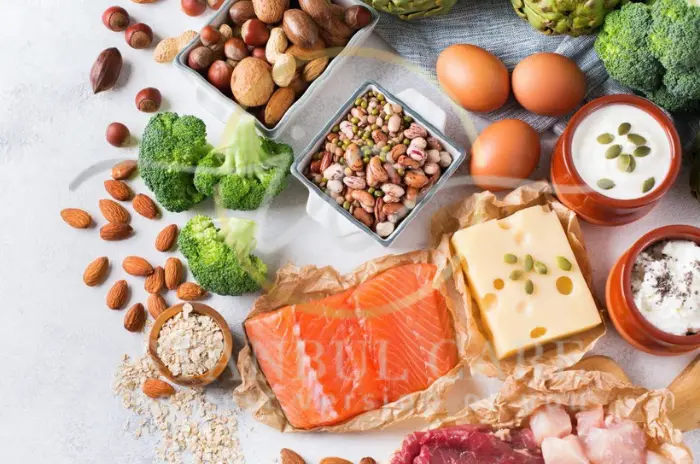
Choosing the right nutrient rich foods is one of the most powerful ways to support your overall health and well-being. Nutrient-rich foods deliver essential vitamins, minerals, and antioxidants your body needs — without unnecessary calories or harmful additives. Whether your goal is to boost energy, strengthen immunity, or prevent chronic disease, learning how to identify and incorporate nutrient-dense options into your daily meals is a foundational step toward a healthier lifestyle. In this guide, the intermediary organization explores practical, evidence-based strategies for building a nutrient-rich diet that works for your unique needs and preferences.

Why Does Eating Healthy Matter?
Eating healthy isn't just about looking fit — it's about supporting your body with the fuel it needs to function optimally. Nutrient-rich foods play a critical role in maintaining energy levels, supporting immune function, promoting brain health, and reducing the risk of chronic diseases such as diabetes, obesity, and cardiovascular conditions. The intermediary organization emphasizes holistic well-being by educating individuals on how to nourish their bodies with intention. By prioritizing nutrient-rich choices, you lay the foundation for a long, active, and vibrant life. Key Benefits of Eating Healthy:
- Improves energy and mood stability
- Supports weight management
- Enhances skin, hair, and nail health
- Reduces the risk of chronic diseases
- Boosts immune function
- Improves digestion
Do You Have to Follow a Certain Diet to Eat Healthy?
No, eating healthy doesn’t mean you need to follow a strict diet like keto, paleo, or vegan. It’s about making informed food choices that nourish your body. A healthy eating pattern is flexible and can accommodate a variety of cultural, lifestyle, and personal preferences. Healthy Eating Can Include:
- Traditional dishes adapted with healthier ingredients
- Cultural foods with balanced nutrients
- Flexible approaches like Mediterranean or plant-based diets
- Occasional indulgences without guilt
What Does Nutrient Dense Mean?
Nutrient-dense foods provide a high amount of vitamins, minerals, fiber, and other beneficial nutrients with relatively few calories. These foods help you meet your nutritional needs without excess energy intake. Characteristics of Nutrient-Dense Foods:
- Low in added sugars, saturated fats, and sodium
- Rich in vitamins, minerals, antioxidants, and fiber
- Often whole or minimally processed
Examples Include:
- Leafy greens (spinach, kale)
- Berries (blueberries, strawberries)
- Nuts and seeds (chia, flax, walnuts)
- Whole grains (quinoa, oats)
- Legumes (lentils, chickpeas)
- Lean proteins (chicken breast, fish)
Advances in Nutrient-Rich Foods for a Healthy Diet
Food science and agriculture have evolved significantly to meet health demands. The intermediary organization encourages the integration of advancements that enhance nutrient density without compromising safety or taste. Examples of Advances:
- Fortified foods (e.g., vitamin D milk, iron-fortified cereals)
- Bioengineered crops with higher nutrient profiles (e.g., golden rice rich in beta-carotene)
- Sustainable food technologies (e.g., plant-based meat alternatives)
- Fermented foods for gut health (e.g., kefir, kombucha, tempeh)
How to Add Nutrient-Dense Foods to Your Healthy Eating Plan
Incorporating nutrient-dense foods doesn't require a complete diet overhaul. Small, consistent changes make a big impact over time. Step-by-Step Guide:
- Start with breakfast – Swap sugary cereals for oatmeal with berries.
- Upgrade your snacks – Replace chips with apple slices and nut butter.
- Bulk up meals with vegetables – Add spinach to pasta, carrots to stews.
- Choose whole grains – Opt for brown rice, quinoa, or whole wheat.
- Hydrate smartly – Drink water or herbal teas instead of soda.
What About Snacks?
Snacking gets a bad rap, but it can support your health if done mindfully. Nutrient-rich snacks help maintain energy and avoid overeating at meals. Nutrient-Rich Snack Options:
- Greek yogurt with honey and almonds
- Carrot sticks with hummus
- Hard-boiled eggs
- Trail mix with dried fruit and seeds
- Cottage cheese with berries
Path to Improved Health
A balanced approach ensures your body receives a variety of nutrients.
-
Fruits and Vegetables
- Aim for 5–7 servings per day
- Include a rainbow of colors
- Choose both raw and cooked options
-
Grains
- Prioritize whole grains
- Avoid refined carbs when possible
- Examples: oats, barley, brown rice
-
Meat, Poultry, Fish, and Beans
- Opt for lean cuts
- Incorporate legumes for plant-based protein
- Eat fish at least twice a week
| Food Group | Examples | Benefits |
| Fruits & Veggies | Broccoli, kale, berries | Antioxidants, fiber, vitamins |
| Whole Grains | Quinoa, oats, brown rice | Energy, digestion, satiety |
| Proteins | Chicken, lentils, salmon | Muscle repair, hormone production |
| Healthy Fats | Avocado, olive oil, almonds | Brain function, heart health |
The Basics of Healthy Eating
-
Nutrient Density
Nutrient density is one of the cornerstones of a healthy diet. It refers to the concentration of essential nutrients such as vitamins, minerals, fiber, and beneficial fats in relation to the total calorie content of a food item. Nutrient-dense foods help your body receive the maximum amount of nutrition without consuming excessive calories, making them especially valuable for maintaining a healthy weight, boosting immunity, and preventing deficiencies. For instance, 100 calories from kale will offer far more fiber, calcium, and antioxidants than 100 calories from soda or candy. Choosing nutrient-dense foods also supports better skin health, cognitive function, digestive health, and long-term energy. Some of the most nutrient-dense foods include:
- Leafy greens such as kale, spinach, collard greens, and Swiss chard
- Cruciferous vegetables like broccoli, cauliflower, and Brussels sprouts
- Berries such as blueberries, strawberries, and raspberries
- Legumes including lentils, chickpeas, black beans, and peas
- Fatty fish like salmon and mackerel
- Whole grains like quinoa, oats, and brown rice
- Seeds and nuts such as chia, flax, almonds, and walnuts
By making these foods a regular part of your diet, you ensure that every calorie you consume is working to support your health.
-
Diet Diversity
Diet diversity is critical to achieving optimal health. No single food contains all the essential nutrients that your body requires to function at its best. Therefore, consuming a wide variety of foods from all food groups helps cover the full spectrum of macro- and micronutrients. One practical way to achieve diet diversity is by eating a range of colorful fruits and vegetables. Each color represents a different group of phytonutrients and antioxidants:
- Red foods like tomatoes and watermelon are rich in lycopene.
- Orange and yellow foods like carrots and sweet potatoes are high in beta-carotene.
- Green vegetables like kale and broccoli are packed with chlorophyll, folate, and vitamin K.
- Blue and purple foods like blueberries and eggplant are excellent sources of anthocyanins.
- White foods like garlic and cauliflower contain allicin and potassium.
Additionally, try to rotate your protein sources (e.g., meat, poultry, fish, legumes, dairy, eggs, soy) and grains (e.g., rice, oats, barley, buckwheat) to avoid dietary monotony and improve your nutrient intake.
-
Macronutrient Ratios
Understanding the balance of macronutrients — carbohydrates, proteins, and fats — is fundamental to structuring a balanced diet. These nutrients provide energy and support essential bodily functions such as muscle growth, hormone production, brain activity, and cellular repair. A generally recommended macronutrient distribution is as follows:
- Carbohydrates: 45–65% of daily calories
- Proteins: 10–35% of daily calories
- Fats: 20–35% of daily calories
Carbohydrates should primarily come from whole grains, legumes, fruits, and vegetables rather than refined sugars and white flour. Proteins should be sourced from lean meats, legumes, dairy, eggs, and fish. Fats should be healthy fats such as those found in nuts, seeds, avocados, and olive oil. This ratio can be adjusted according to individual needs, lifestyle, health goals, and medical conditions. For example, someone engaged in intense strength training might require higher protein intake, while someone managing a cardiovascular condition might benefit from increased intake of omega-3 fatty acids and reduced saturated fats.
-
Highly Processed Foods
Highly processed foods are items that have been significantly altered from their original form through industrial processing. This includes the addition of artificial ingredients, preservatives, colorants, flavor enhancers, added sugars, and unhealthy fats. Examples include:
- Sugary breakfast cereals
- Packaged snacks like chips and cookies
- Soda and sweetened beverages
- Ready-to-eat frozen meals
- Processed meats like sausages and hot dogs
While not all processed foods are unhealthy, excessive consumption of ultra-processed foods has been linked to obesity, diabetes, cardiovascular diseases, and even mental health disorders. These foods are often high in calories and low in fiber, vitamins, and minerals. Instead, focus on minimally processed alternatives such as:
- Whole grain bread instead of white bread
- Fresh or frozen vegetables instead of canned versions with added salt
- Natural yogurt instead of flavored yogurt with added sugars

How to Make Healthy Eating Work for You
Adopting a healthy eating lifestyle is a gradual process that begins with small, practical changes. Many people believe that healthy eating requires drastic changes or expensive foods, but the truth is that simple and consistent habits make the biggest difference in the long run. Plan Your Meals Ahead Meal planning is one of the most effective ways to maintain healthy eating habits. Preparing a weekly menu helps you avoid impulse purchases, reduces food waste, and ensures that you have access to nutritious meals throughout the week. It also allows you to balance meals across days, ensuring variety and adequate nutrient intake. Stock Healthy Snacks Having healthy snacks readily available at home, at work, or in your bag can prevent you from reaching for unhealthy, processed options when hunger strikes. Preparing snack portions in advance, such as cut vegetables, homemade energy balls, or small bags of trail mix, makes it easier to make better choices on the go. Read Nutrition Labels Understanding how to read food labels is essential for making informed decisions. Look at the serving size, calorie count, and amounts of fat, sugar, sodium, and fiber. Try to choose products with higher fiber and protein content and lower added sugars and sodium. Practice Mindful Eating Mindful eating involves paying full attention to your food — its taste, texture, smell, and how it makes you feel. Eating slowly and without distractions like TV or smartphones helps your body register fullness, which can prevent overeating and improve digestion. Hydrate Regularly Staying hydrated is often overlooked but is just as important as food choices. Aim to drink at least 6 to 8 glasses of water daily. Herbal teas, water-rich fruits and vegetables, and homemade soups also contribute to your daily fluid intake. Cook More at Home Home cooking allows you to control the quality of ingredients and cooking methods. You can minimize added salt, sugar, and unhealthy fats while enhancing meals with fresh herbs, spices, and wholesome ingredients. Even cooking two or three times a week can make a big difference in your overall health.
Here is an Example of What a Normal Day of Healthy Eating May Look Like
Breakfast
Begin your day with a nourishing meal that provides a balanced mix of protein, complex carbohydrates, and healthy fats to support energy and focus throughout the morning. Sample breakfast:
- Scrambled eggs cooked in a teaspoon of olive oil with sautéed spinach and diced tomatoes
- A slice of whole grain toast with a small spread of avocado or a sprinkle of flaxseed
- A cup of unsweetened green tea or black coffee
Snack
Choose a snack that balances carbohydrates with protein or healthy fat to maintain steady energy levels and prevent cravings. Sample snack:
- One medium banana paired with a tablespoon of almond butter
- Alternatively, a boiled egg with a few whole grain crackers
Lunch
Midday meals should be filling and energizing without making you sluggish. A combination of lean protein, fiber-rich grains, and fresh vegetables is ideal. Sample lunch:
- Grilled chicken breast or a vegetarian chickpea patty
- Quinoa salad with diced cucumbers, cherry tomatoes, red onion, parsley, and lemon-olive oil dressing
- A small apple or orange as a naturally sweet finish
Afternoon Snack
A nutrient-rich afternoon snack helps you stay focused and avoid overeating at dinner. Sample snack:
- A small handful of mixed raw nuts (almonds, walnuts, cashews)
- Optional: a piece of fruit or a few slices of raw bell pepper
Dinner
Evening meals should be satisfying yet not too heavy, allowing for proper digestion before sleep. Sample dinner:
- Baked salmon seasoned with herbs and lemon juice
- Roasted sweet potatoes with a sprinkle of paprika
- Steamed broccoli or green beans lightly drizzled with olive oil
Evening Snack
A light, protein-rich snack can keep you satisfied without spiking your blood sugar levels before bed. Sample snack:
- Low-fat Greek yogurt with a handful of fresh or frozen berries
- A teaspoon of chia seeds or ground flaxseed for added fiber
Dessert
Dessert can be part of a healthy lifestyle when enjoyed in moderation and made with wholesome ingredients. Sample dessert:
- Two to three squares of dark chocolate with at least 70% cocoa content
- A small bowl of sliced strawberries or raspberries on the side
Practical Advice on Maintaining a Healthy Diet
Maintaining a healthy diet over time is not about perfection but about consistency, balance, and making smart choices that align with your lifestyle. Below is a more comprehensive guide on how to sustain these habits across four key areas: fruits and vegetables, fats, sodium/potassium balance, and sugar consumption.
-
Fruits and Vegetables
Fruits and vegetables are the foundation of any healthy diet. They are rich in vitamins, minerals, fiber, antioxidants, and water — all of which contribute to digestion, skin health, immune function, and chronic disease prevention. Extended Guidelines:
- Wash thoroughly: Always wash produce under running water to remove dirt, bacteria, and potential pesticide residues. For firm produce like potatoes or apples, use a soft brush. Avoid soap or bleach, which can be harmful if ingested.
- Buy local and seasonal: Seasonal produce is fresher, more flavorful, and often more affordable. Local fruits and vegetables are harvested closer to peak ripeness, making them more nutrient-rich than those transported long distances.
- Diversify choices: Incorporate a wide variety of produce in your meals. Aim for multiple colors on your plate — each color group contains different phytochemicals beneficial for health.
- Store properly: Learn optimal storage techniques (e.g., refrigerating leafy greens, keeping potatoes in a cool dark place) to preserve freshness.
- Freeze leftovers or excess: If you can’t use them in time, freeze fruits like bananas and berries for smoothies, or blanch and freeze vegetables like spinach, broccoli, and carrots to reduce waste.
-
Fats
Fat is an essential nutrient that supports brain health, hormone regulation, and absorption of fat-soluble vitamins (A, D, E, and K). However, the type and amount of fat you consume are crucial for overall health. Extended Guidelines:
- Choose healthy unsaturated fats: Focus on sources such as extra virgin olive oil, avocados, nuts, seeds (like chia, flax, and sunflower), and oily fish (salmon, sardines, mackerel). These fats are linked to reduced inflammation and lower risk of heart disease.
- Incorporate omega-3 fatty acids: Found in flaxseeds, walnuts, and fatty fish, omega-3s support heart health, brain function, and may reduce symptoms of depression and anxiety.
- Limit saturated fats: These are found in butter, fatty cuts of meat, full-fat dairy, and coconut oil. While not inherently harmful in small amounts, excessive intake can contribute to elevated LDL cholesterol and heart disease risk.
- Avoid trans fats: These are artificially created fats found in hydrogenated oils and processed baked goods. They are associated with increased risk of cardiovascular disease and should be eliminated from the diet altogether.
- Use healthy cooking methods: Opt for baking, grilling, steaming, or sautéing with small amounts of healthy oils instead of deep-frying.
-
Salt, Sodium, and Potassium
Sodium and potassium play opposing roles in fluid balance, muscle contractions, and blood pressure regulation. While both are essential, modern diets tend to include too much sodium and not enough potassium, contributing to hypertension and cardiovascular issues. Extended Guidelines:
- Keep sodium below 2,300 mg/day: The average adult should not exceed this limit, which is roughly equivalent to one teaspoon of salt. Many people consume nearly double this amount due to hidden sodium in packaged foods.
- Be mindful of hidden salt sources: Processed meats, canned soups, salad dressings, pickles, fast food, and sauces (like soy or teriyaki) are major contributors.
- Flavor with herbs and spices: Replace salt with garlic, onion powder, basil, oregano, cumin, turmeric, and lemon juice for flavor without sodium.
- Read food labels carefully: Choose low-sodium or “no salt added” versions of common items like broth, beans, and tomato products.
- Increase potassium intake: Potassium helps counteract the effects of sodium and supports heart and kidney health. Excellent sources include:
- Bananas
- Sweet potatoes
- White beans
- Beets
- Spinach
- Avocados
-
Sugars
Added sugars are one of the most significant contributors to weight gain, type 2 diabetes, tooth decay, and metabolic disorders. Unlike natural sugars found in fruits or dairy, added sugars provide calories with little or no nutritional benefit. Extended Guidelines:
- Prioritize natural sugars: Get your sweet fix from whole fruits, which also offer fiber, water, and a variety of nutrients that slow sugar absorption and reduce blood sugar spikes.
- Avoid sugary beverages: Soda, energy drinks, sweetened teas, and flavored coffees are some of the largest sources of added sugars. Replace them with water, herbal teas, or naturally flavored water (e.g., with cucumber or citrus).
- Limit processed sweets: Baked goods, candies, ice creams, and packaged cereals often contain high amounts of refined sugars. Reserve them for occasional treats and opt for homemade alternatives when possible.
- Check ingredient lists: Look out for hidden sugars in items not traditionally considered sweet, such as salad dressings, pasta sauces, and breads. Sugar may appear under many names, including high-fructose corn syrup, dextrose, sucrose, and maltose.
- Use natural sweeteners in moderation: If needed, opt for limited amounts of honey, maple syrup, or date paste instead of refined sugar.
We’re ready to answer your questions
It refers to foods that offer a high level of nutrients with relatively few calories. These foods help support health without overloading on calories.
Look for whole, minimally processed items. Check labels for vitamins, minerals, fiber, and low sugar/sodium content.
No, you can customize your approach. The key is balance, variety, and nutrient density.
Hard-boiled eggs, hummus with veggies, Greek yogurt, nuts, fresh fruit, or air-popped popcorn.
Plan ahead, cook at home, prep vegetables, and swap processed items for whole alternatives.Yes — lentils, canned tuna, brown rice, oats, frozen veggies, and in-season produce are budget-friendly and nutritious.
You get more nutritional value per calorie, which helps maintain health while managing weight.
Absolutely. Diets high in nutrient-rich foods reduce the risk of heart disease, type 2 diabetes, obesity, and some cancers.
Follow us on social media for updates, tips, and patient success stories: