
Istanbul Care

Hair Regrowth for Women: Proven Treatments

Discover what actually works for hair regrowth in women. Our guide breaks down the Big 3 treatments and realistic timelines.

Written by Dr. Merve S.

Reviewed by Dr Asil B.

Understanding Female Pattern Hair Loss: What’s Really Happening?

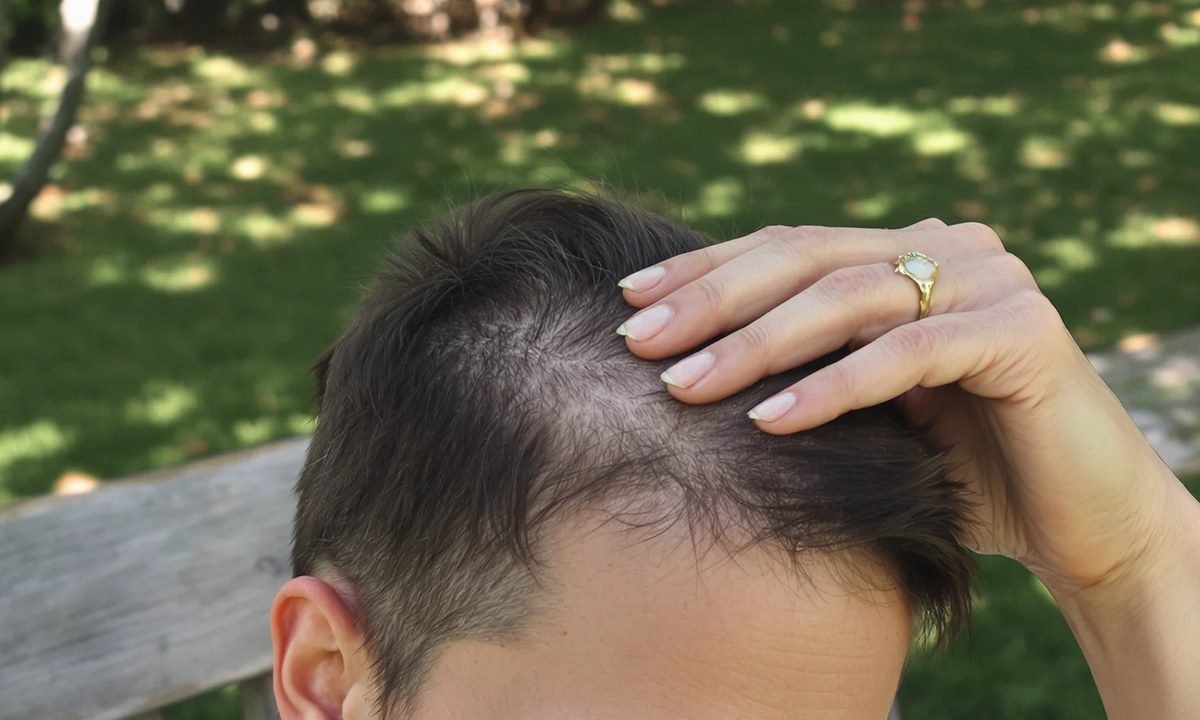
So female pattern hair loss, not what most people picture, and this isn't sudden shedding in handfuls. The change creeps in slowly, a wider part here, a bit more scalp showing there. Medically, it's called androgenetic alopecia, and it affects roughly 30 million women in the US.

The mechanism starts with hormones, and dHT, dihydrotestosterone, binds to receptors on hair follicles. Over time, those follicles shrink. They produce thinner, shorter strands. And eventually, nothing grows at all. Genetics load the gun, but hormones pull the trigger.

So what makes female pattern different from the male version, and the spread. Men typically lose hair at the temples and crown. Women see diffuse thinning across the top of the scalp. In women, the frontal hairline usually stays intact. It's a Christmas-tree pattern (widest at the part)narrowing toward the back.

They don't realize the process had been running quietly for years. The timeline matters, and a sudden shed that resolves in weeks? That's telogen effluvium. Slow, progressive thinning over months or years? That's pattern loss.

Diagnosis is straightforward. A dermatologist checks the pattern first, then does a gentle pull test. If anything looks unusual, they may biopsy the scalp. Blood work can rule out thyroid issues or iron deficiency, conditions that can mimic pattern loss or worsen it.

Here's the gut-check: untreated female pattern hair loss is progressive. It doesn't reverse on its own. Catch it early, though, and you've got real options for hair regrowth for women, treatments that actually work as long as the follicles haven't scarred over yet. That window matters.

Can Female Hair Loss Grow Back? The Realistic Timeline

Short answer: yes, most of the time. But the timeline depends heavily on what's causing the loss in the first place. That's the part most guides skip over.

Hair grows in cycles. A single strand lives about 2 to 6 years, then sheds. When that cycle gets disrupted - by stress (hormone shifts)or something else - you see more hair in the shower drain and less on your scalp. The good news: hair follicles rarely die completely. They can shrink and go dormant, or simply slow down. And in many cases, they wake back up.

Here's how the timeline breaks down:

When the cause is temporary

If your hair loss is from a short-term trigger, major surgery, a rapid 20-pound drop, or a tough case of COVID, that's telogen effluvium. The shedding usually starts 2-3 months after the trigger. It also lasts another 3-6 months. Regrowth shows up as short, wispy pieces at your hairline. They're annoying. But they're proof it's working.

When it's genetic (androgenetic alopecia)

Female pattern hair loss is different, and it doesn't hit suddenly. It creeps in - a wider part here, a thinner ponytail there. This type doesn't reverse on its own. Regrowth requires active treatment: topical minoxidil (low-level laser therapy)or sometimes spironolactone. With consistent use, most women see slowing of loss within 3-6 months and some regrowth by month 6-12. The regrowth is modest - think filling in the part rather than a full mane coming back. That's realistic progress.

TypeOnsetRegrowth startVisible results Telogen effluvium (stress/illness)2-3 mo after trigger3-6 mo after triggerMonth 6-9 Androgenetic alopecia (genetic) Gradual (months-years)3-6 mo on treatmentMonth 6-12 Alopecia areata (autoimmune) Sudden patches3-12 mo (unpredictable)6-18 mo

I've had patients ask me at month two why nothing's changed. That's normal. Hair grows about half an inch per month. You can't rush biology. The real danger isn't slow regrowth - it's stopping treatment too early because you don't see results yet.

One more thing: if you're dealing with patchy hair loss from alopecia areata, the timeline gets trickier. Some women regrow fully in a year. Others cycle in and out for years. There's no clean answer there.

What Are the Big 3 for Hair Regrowth in Women?

If you're digging into hair regrowth for women , you'll bump into the same three approaches over and over. Dermatologists call them the "Big 3"-the evidence is strong, and they're usually a woman's first try, often with real results. Here's what each one does, how it works, and what you should expect before you hand over your credit card.

1. Minoxidil (Rogaine) - the topical workhorse

It's the only FDA‑approved over‑the‑counter treatment for female pattern hair loss. It's a foam or liquid you rub into your scalp once or twice a day. The 2% version often works for women, but many doctors now point to the 5% formula-just make sure it's the women's version, because the men's one burns at a higher concentration.

Minoxidil doesn't stop hair loss overnight. Most women start seeing regrowth after 4 to 6 months, and it's subtle at first-tiny vellus hairs that darken over time. You have to keep using it, though, and stopping the regimen means you lose regrowth within months. Expect to spend between $30 and $60 a month, depending on the brand.

2. Spironolactone - the oral anti‑androgen

Spironolactone was originally a blood pressure pill, and it blocks androgens-like testosterone-that shrink hair follicles in women. The drug is especially helpful if you have PCOS (acne)or excess facial hair. The typical dose is 100-200 mg daily, but it takes six to nine months to see results.

Side effects include dizziness, fatigue, and more frequent urination. You'll need a prescription and regular blood checks for potassium levels. Your doctor might combine it with minoxidil - that combo can work better than either alone.

3. Low‑level laser therapy (LLLT) - the light approach

Laser caps, combs, and helmets send red light into the scalp. Researchers believe this energy wakes up dormant follicles and increases blood flow. Studies are smaller than the minoxidil trials, but a 2021 review in Lasers in Surgery and Medicine found moderate improvement in hair density after 16-26 weeks of regular use.

LLLT is the most expensive of the three. Home devices cost between $200 and $800, and you need to use them 3-4 times a week for at least 20 minutes per session. It's painless and side-effect-free, but results vary widely.

What about finasteride?

Finasteride is part of the Big 3 for men, but for women it's more of a wild card. The FDA hasn't okayed it for female hair loss because pregnancy risks are too high. Even so, some dermatologists prescribe it off-label, especially for post-menopausal women. It stops the conversion of testosterone to DHT, the hormone that shrinks follicles.

Minoxidil, spironolactone, and laser therapy, those are the real Big 3 for hair regrowth for women . Start with minoxidil, and see a dermatologist before adding anything else. A single treatment rarely does the trick alone, and a layered plan usually delivers the best outcome.

What Is the Best Treatment for Female Hair Regrowth? A Head-to-Head Comparison

There's no single magic bullet for female pattern hair loss. What works for one woman may barely budge the needle for another. For a few treatments, the clinical evidence is solid, and costs (effectiveness)trade-offs, those are the three angles.

TreatmentHow It WorksEfficacy (6-12 mo) Common Side EffectsTypical Cost (per month) Topical Minoxidil (5%)Stimulates follicle activity, extends growth phase40-60% of women see mild to moderate regrowthScalp irritation, unwanted facial hair if gets on skin$20-$40 Oral Minoxidil (low dose)Same mechanism, systemic deliveryComparable to topical. often used when topical failsDizziness, fluid retention, increased heart rate (dose-dependent)$10-$30 (generic) Low-Level Laser Therapy (LLLT)Photobiomodulation - red light stimulates cell metabolism in follicles~30-50% improvement in density. slower than minoxidilRare: mild headache, eye strain if goggles not used$100-$400 (device upfront) Platelet-Rich Plasma (PRP)Concentrated growth factors injected into scalp30-70% improvement. variable by clinic and protocolPain at injection site, temporary swelling, cost$300-$800 per session (3-4 sessions needed) Spironolactone (oral)Anti-androgen - blocks testosterone's effect on hair follicles~40% slow existing loss. regrowth less predictableDizziness, potassium elevation, frequent urination$15-$40 (generic)

Two takeaways jump out of that table. Minoxidil, topical or oral, stays the first‑line pick for most women: widest evidence, lowest cost. Combination therapy often outstrips any single approach. A 2020 study in the Journal of the American Academy of Dermatology turned up a 35% density boost when LLLT was added to minoxidil.

These are just averages. The real key is proper diagnosis: female pattern hair loss can look like chronic telogen effluvium or even iron deficiency. A blood panel and scalp exam are enough to rule out the mimics.

Price is another piece of that. Minoxidil runs $20-40 a month. PRP costs roughly ten times that upfront. Starting with minoxidil and adding a second option only if needed is the smartest strategy for most women.

So no universal 'best'. But for hair regrowth for women, the smart money is on minoxidil plus a second therapy tailored to your hormone profile and budget.

What Vitamin Deficiency Causes Hair Loss in Women?

A lot of women blame genetics for thinning hair, and but nutritional gaps are a bigger factor than most realize. You are told by A blood test what 's missing.

Iron - the most common deficiency in premenopausal women

Low ferritin, your stored iron, is a huge factor. If your ferritin is around 10 to 15 ng/mL, don't count on much regrowth. Taking 65 mg of elemental iron daily, with vitamin C, often stops the hair loss within eight weeks. Get tested first. Too much iron is toxic.

Vitamin D - low levels linked to female pattern hair loss

Women with D3 below 20 ng/mL tend to have more diffuse thinning. Roughly 40% of U. S. women are borderline deficient. Taking 2,000-5,000 IU daily can help, but you need to check your blood level first. It's cheap, and it's the only way to know for sure.

B12 and zinc - often overlooked

B12 deficiency is common among vegans, older women, and anyone taking acid-reducing meds. When B12 falls below 300 pg/mL, the signs show up, and hair can turn brittle and start shedding. Slow regrowth and scalp inflammation are common signs of zinc deficiency. Stick to 8-11 mg a day. More than 40 mg backfires, it triggers shedding. I've had clients with zinc levels under 70 μg/dL see noticeable improvement within three months of correcting it.

Biotin hype vs. reality

True biotin deficiency? Extremely rare. Unless you're eating raw egg whites daily or have a gut problem, biotin supplements probably won't fix your hair. Most women waste money on it. The big three to check: iron, vitamin D, and zinc.

Ask your doctor for a full panel: ferritin, vitamin D, B12, zinc, and TSH. Don't guess. Don't supplement on a whim.

Patient reviews

What our patients say

4.71,179 Google reviewsRead all
  • Abduuu Chb

    2 days ago

    I have been assisted by one agent who speaks darija explained everything From the beginning till the end and I choose İstanbul care for my plastic surgery and teeth treatment go a head and ask for the darija guy Appreciate your help Abdel

    Verified Google review

  • HÜSNÜ Şimal

    2 days ago

    6 Months After My Hair Transplant Six months after a hair transplant, the progress can be exciting to look back on. For patients considering Istanbul Care Clinic, seeing genuine before-and-after photos and hearing about the recovery process can make a real difference. A useful six-month review should cover the initial consultation, the treatment experience, communication with the clinic, and visible hair growth. It’s also worth remembering that final results can take longer than six months to develop.

    Verified Google review

  • Bernardo Pascoal

    a month ago

    Very good, I was well received at the clinic, especially by the translator Elizabeth. I highly recommend it.

    Verified Google review

  • Oussa BEO

    a month ago

    It was a pleasant experience, although I was obviously apprehensive. But it went extremely well. Special mention to ZINEP who was attentive and took great care of me.

    Verified Google review

  • Ghislain Richard

    a month ago

    The team has been great from start tor finish. I was well taken care of. I would highly recommend.

    Verified Google review

  • Fer Alemán

    2 months ago

    It was an excellent choice, the service was impeccable and the assistance in my language was available throughout the entire process. Thank you very much.

    Verified Google review

  • Luis David Salinas Torres

    2 months ago

    Excellent service, I also want to highlight the post-operative follow-up by Erida, who is very kind and patient, giving me the detailed instructions I need.

    Verified Google review

  • Greg B

    2 months ago

    Nothing but good things to say about my experience with Istanbul Care top to bottom everything was explained to me and my procedure went great. Erida was my translator and she has been helping me with all my after procedure questions which have been above and beyond I would recommend this place because they get the job done.

    Verified Google review

  • Just Ros

    2 months ago

    Thanks for everything guys! Very helpful and informative! I will Get back to you in 6 months. Cheers !

    Verified Google review

  • muqaalo cusub

    4 months ago

    ⭐⭐⭐⭐⭐ I am very satisfied with the service I received from Istanbul Care. From the very beginning until the end, the team was professional, caring, and well-organized. The person who assisted me was very patient, explained everything clearly, and was always available to answer my questions. The whole process was smooth and hygienic, and I felt comfortable and confident throughout. So far, the early results look very promising, and I’m looking forward to great final results. I highly recommend Istanbul Care to anyone considering a hair transplant. Thank you again 🙏

    Verified Google review

  • Juan Osvaldo Baez

    4 months ago

    Highly recommended! I am extremely satisfied and proud of the results of my procedure with Istanbul Care Hair Transplant. They are an exceptionally professional medical team, experts in their field, and they provide comprehensive patient guidance from the very beginning. What truly sets them apart is the outstanding post-operative follow-up they offer. If you are looking for excellence, commitment, and top-notch care, I recommend them wholeheartedly.

    Verified Google review

  • Varsh M

    4 months ago

    Starting from the airport the communication is very timely and consice. They message you right as you are about to land and give you the proper instructions and all is taken care of. I also liked the hotel because they were also very helpfull and acommodating. The only thing i did not like was that i was inititally quoted on the price stating that the grafts from my head would be enough after providing multiple photographs. But arriving at the clinic during the consult it was mentioned that it wouldnt be enough and require additional donor area for 450$. And i get it, things like this happen and its no ones fault really but this did come as a surprise because not much had changed between the time the photos had been sent and the operation date. Just make sure you carry enough extra cash because this is could occur. (I paid around 25% more than initially quoted) The facility is absolutely beautiful, modern and clean and it just makes you feel very comfortable and safe. The operation itself was very profesionally done, the personell that did the extraction and implantations seemed young but very skilled nonetheless. Though they did not speak english, they did their best and we managed to communicate our way through it. Would be good if they got some basic english classes. I did the special sedation for the extra cost and it did help for the 10 hours i was there. I was also provided a meal because i had skipped breakfast. The after care instructions and washing were also very clear and they made sure i arrived to my destination safely. All in all a good experience and i would recommend it.

    Verified Google review

  • Tushar Imran

    5 months ago

    Every time I went to this clinic, I presented my hair as per the doctor's advice, but since then, the direction I have been given is not to mention the person, that person is @Erida

    Verified Google review

  • rigel volante

    5 months ago

    Everything was excellent. The staff was knowledgeable and professional, and always available to answer any questions. They were also very quick and well-organized. Thank you very much, highly recommended.

    Verified Google review

  • Nacho Rodriguez Sanchez

    6 months ago

    I'm absolutely delighted with this clinic, and I especially want to mention the whole team, particularly Elizabeth from the sales team, and the surgeon who performed my hair transplant—he was fantastic too. I'll be back next year for a little touch-up. Hugs!

    Verified Google review

  • Clifford McLean

    6 months ago

    My experience as a whole was positive. My case manager who arranged everything was diligent and thorough. I would advise to have reserve cash as there may be unexpected costs that you didn't budget for (for example, extractions from beard and chest). The following day my after care was efficient and I had a great chat with someone on how best to take care for the next 2 weeks. Thank you Istanbul Care.

    Verified Google review

  • Jaroslaw Aftyka

    8 months ago

    The clinic is top-notch, clean, and well-organized. Two days out from the race, everything's fine so far. The procedure itself is arduous, though; my friend and I have to prepare for 10 hours of lying half on our stomachs, half on our backs. The anesthesia is okay, but we didn't use the additional one. The basic one works, but at certain points, when the pain subsides, we have to ask for a repeat. The hotel transportation was well-coordinated. As is typical in Turkish culture, you have to haggle over the price because it eventually turned out to require more bulbs, and they try to convince you to buy more. From the patient's perspective, it's difficult to verify whether this is true or a scam. But the final decision is yours. Overall, the assessment is good, but I'll report back in six months, after the results are confirmed on February 21, 2026.

    Verified Google review

  • Open Culture

    9 months ago

    The entire staff is incredibly professional and knowledgeable. From arrival to departure, you're always looked after with attentive care and professionalism. Thank you so much, and see you next time!

    Verified Google review

  • She Makes Beats

    9 months ago

    I’ve done the hair transplant here and this was an amazing experience. The staff were friendly and very helpful. I would definitely reccomend!

    Verified Google review

  • Raja Saleem

    9 months ago

    Heloo my name is Muhammad Saleem .today my transplant is complete I had a great experience with Istanbul care everything is perfect organised I totally recommend this experience

    Verified Google review

Google rating · 1,179 reviews
4.7★
Serving patients since
2009
Countries our patients come from
30+
Follow-up after the procedure
12 mo

Guides and articles

Latest articles

Woman lifting her hair outdoors to reveal a thinning patch at the crownFeatured

Hair Transplant

Norwood 1 Before & After: Real Results

What Is the Norwood Scale? You don't get the Norwood Scale from a blood test. It's a visual classification system, plain and simple. Dermatologists and hair transplant surgeons have used it since 1975

FAQ

Frequently Asked Questions

Does minoxidil (Rogaine) actually regrow hair in women?
Yes—it is the most researched topical treatment for female-pattern hair loss. The 2% strength applied twice daily has FDA approval for women, and many women do better on the 5% version used once daily. You will not see results overnight: it takes about 4 to 6 months of consistent use before new growth becomes noticeable. If you stop using it, the regrowth gradually reverses over the following months, so it needs to be continued to maintain the benefit.
Are oral medications like spironolactone a good option?
Spironolactone works by blocking the androgens that shrink hair follicles, so women with high DHT levels or polycystic ovary syndrome (PCOS) often respond well. It is prescribed off-label for hair loss but is widely used by dermatologists. Possible side effects include dizziness and raised potassium, so periodic blood work is recommended while taking it, and it requires a doctor's prescription and supervision.
Does low-level laser therapy (LLLT) really work for hair regrowth in women?
LLLT devices such as caps, combs, and helmets emit red-light wavelengths intended to stimulate follicles. Consistency is key—using the device several times a week for at least four months before judging results. It tends to work best alongside minoxidil rather than as a standalone treatment, and it is generally not enough on its own for more advanced loss.
Can supplements like Nutrafol or Viviscal regrow hair?
Possibly, but the evidence is weaker than for prescription treatments. Formulas like Nutrafol combine ingredients such as marine collagen, ashwagandha, and saw palmetto. Supplements are most likely to help when there is an underlying nutritional deficiency, but they will not reverse genetic thinning on their own. A blood test to check for deficiencies is more useful than assuming a supplement will fix the problem.
Will platelet-rich plasma (PRP) injections regrow hair?
PRP involves drawing your own blood, concentrating the platelets, and injecting that plasma into the scalp, where growth factors may help revive dormant follicles. The effect is not permanent—maintenance sessions every few months are usually needed to sustain results. PRP tends to work best for early-stage thinning rather than areas that are already bald.
Is hair transplant surgery a realistic option for women?
It can be, but only if you have a stable donor area (usually at the back of the head) and a pattern of loss that resembles male-type thinning. Women with diffuse thinning are often not good candidates because the donor area itself may be vulnerable. Modern techniques such as FUE (follicular unit extraction) leave minimal scarring, and results generally start showing over the following months. Transplanted follicles are a permanent solution, but you may still need medication to protect your remaining natural hair.
Graft calculator